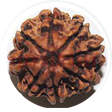
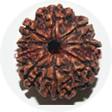
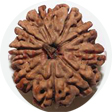
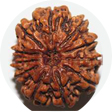
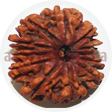
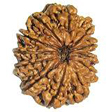
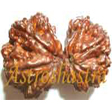
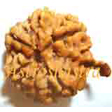
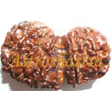
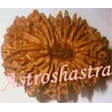
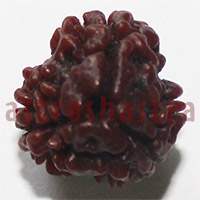
Rudraksha Beads – Complete Guide to 1 to 21 Mukhi, Benefits, Uses & How to Choose
Rudraksha Beads: Complete Guide to Types, Benefits, and Usage
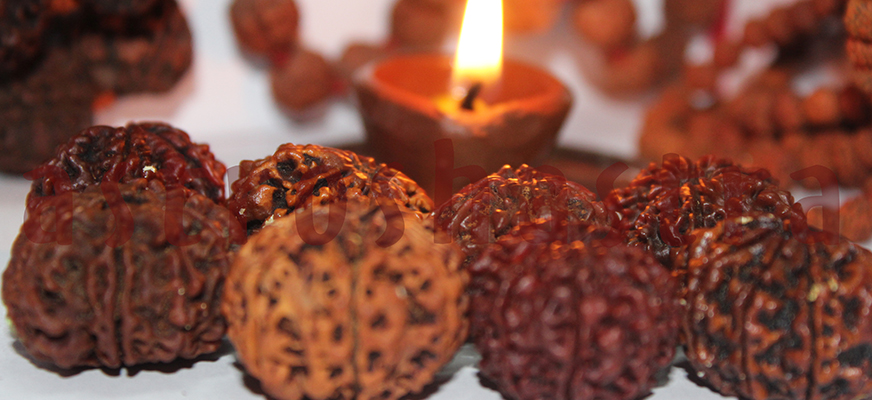
Rudraksha beads hold an important place in Indian spiritual traditions and are traditionally associated with Lord Shiva, meditation, prayer and spiritual practice. These naturally occurring seeds are commonly used as Japa malas, meditation beads, pendants and sacred ornaments.
Different Rudraksha beads are traditionally classified according to the number of natural faces or Mukhi they possess. From 1 Mukhi to 21 Mukhi Rudraksha, each type has its own traditional associations with deities, planets, spiritual qualities and astrological practices.
This complete Rudraksha Beads Guide explains what Rudraksha is, what Mukhi means, the traditional significance of 1 to 21 Mukhi Rudraksha, Rudraksha and planets, Nakshatras, zodiac signs, deities and horoscope houses, along with guidance on wearing, Puja, authenticity and choosing the right Rudraksha.
What is Rudraksha?
Rudraksha is the seed of trees belonging to the Elaeocarpus genus. The seeds develop within the fruit of the Rudraksha tree and reveal their characteristic natural lines after the fruit is processed and dried.
The name Rudraksha is traditionally understood as a combination of Rudra, a name associated with Lord Shiva, and Aksha, meaning eye or tear. According to a well-known traditional legend, Rudraksha originated from the tears of Lord Shiva.
Because of this traditional association, Rudraksha has become an important symbol of Shaiva tradition and is widely used in prayer, meditation, Japa and other spiritual practices.
The spiritual significance of Rudraksha should be understood within the religious and cultural traditions in which the bead has been used.
Why is Rudraksha Considered Sacred?
Rudraksha is traditionally regarded as a sacred bead because of its association with Lord Shiva. Devotees commonly use it during meditation, prayer and mantra recitation.
For many practitioners, wearing Rudraksha is also a reminder of spiritual discipline, devotion and inner awareness. Different Mukhi Rudraksha are traditionally connected with different deities and planetary influences, giving each type a distinctive spiritual and astrological significance.
To explore the broader traditions surrounding Hindu deities, visit the Astroshastra Gods and Goddesses knowledge guide.
What Does Mukhi Mean in Rudraksha?
Mukhi means face. In Rudraksha terminology, it refers to the natural lines or divisions running vertically along the bead from one end to the other.
A Rudraksha with five naturally formed faces is called 5 Mukhi Rudraksha, while a bead with seven natural faces is called 7 Mukhi Rudraksha.
The number of Mukhi is traditionally used to classify Rudraksha and is associated with particular deities, planets and spiritual qualities.
1 to 21 Mukhi Rudraksha
The Mukhi classification is one of the most important ways of understanding Rudraksha. While commonly available Rudraksha include several Mukhi types, rare and higher Mukhi beads are also traditionally described in Rudraksha literature.
The following provides a brief introduction to each Mukhi. For detailed information about its traditional significance, wearing method, mantra, authenticity and other considerations, visit the individual guide.
| Mukhi Rudraksha | Traditional Association | Explore |
|---|---|---|
| 1 Mukhi Rudraksha | Lord Shiva / Sun | Read 1 Mukhi Guide |
| 2 Mukhi Rudraksha | Ardhanarishvara / Moon | Read 2 Mukhi Guide |
| 3 Mukhi Rudraksha | Agni / Mars | Read 3 Mukhi Guide |
| 4 Mukhi Rudraksha | Lord Brahma / Mercury | Read 4 Mukhi Guide |
| 5 Mukhi Rudraksha | Kalagni Rudra / Jupiter | Read 5 Mukhi Guide |
| 6 Mukhi Rudraksha | Lord Kartikeya / Venus | Read 6 Mukhi Guide |
| 7 Mukhi Rudraksha | Goddess Lakshmi / Saturn | Read 7 Mukhi Guide |
| 8 Mukhi Rudraksha | Lord Ganesha / Rahu | Read 8 Mukhi Guide |
| 9 Mukhi Rudraksha | Goddess Durga / Ketu | Read 9 Mukhi Guide |
| 10 Mukhi Rudraksha | Lord Vishnu | Read 10 Mukhi Guide |
| 11 Mukhi Rudraksha | Lord Hanuman / Rudra | Read 11 Mukhi Guide |
| 12 Mukhi Rudraksha | Surya / Sun | Read 12 Mukhi Guide |
| 13 Mukhi Rudraksha | Indra / Venus | Read 13 Mukhi Guide |
| 14 Mukhi Rudraksha | Lord Shiva / Saturn | Read 14 Mukhi Guide |
| 15 Mukhi Rudraksha | Traditional Shiva association | Read 15 Mukhi Guide |
| 16 Mukhi Rudraksha | Mahamrityunjaya Shiva | Read 16 Mukhi Guide |
| 17 Mukhi Rudraksha | Traditional prosperity association | Read 17 Mukhi Guide |
| 18 Mukhi Rudraksha | Mother Earth | Read 18 Mukhi Guide |
| 19 Mukhi Rudraksha | Lord Narayana | Read 19 Mukhi Guide |
| 20 Mukhi Rudraksha | Traditional divine association | Read 20 Mukhi Guide |
| 21 Mukhi Rudraksha | Lord Kubera | Read 21 Mukhi Guide |
The deity and planetary associations described above belong to traditional Rudraksha and astrological practices. They should be understood as traditional beliefs rather than scientifically established effects.
Rudraksha and Nine Planets
Rudraksha is also used in traditional Indian astrology. Different Mukhi Rudraksha are traditionally associated with different planetary influences. These associations may be considered when selecting Rudraksha according to a birth horoscope.
To understand the nature and significance of the planets in Indian astrology, explore the comprehensive Astroshastra guide: Planets in Astrology .
| Planet | Traditional Rudraksha Association | Detailed Guide |
|---|---|---|
| Sun | 1 Mukhi / 12 Mukhi | 1 Mukhi | 12 Mukhi |
| Moon | 2 Mukhi | 2 Mukhi |
| Mars | 3 Mukhi | 3 Mukhi |
| Mercury | 4 Mukhi | 4 Mukhi |
| Jupiter | 5 Mukhi | 5 Mukhi |
| Venus | 6 Mukhi / 13 Mukhi | 6 Mukhi | 13 Mukhi |
| Saturn | 7 Mukhi / 14 Mukhi | 7 Mukhi | 14 Mukhi |
| Rahu | 8 Mukhi | 8 Mukhi |
| Ketu | 9 Mukhi | 9 Mukhi |
For the complete Rudraksha and planetary guide, visit: Rudraksha According to Planets .
Rudraksha According to Nakshatra
The Nakshatra or birth star is an important component of Vedic astrology. Since each Nakshatra is traditionally ruled by a particular planet, the ruling planet may also be considered when exploring an astrological Rudraksha recommendation.
Astroshastra provides a comprehensive resource covering the 27 Nakshatras, including their characteristics, ruling planets and traditional significance.
Learn more: 27 Nakshatras in Astrology .
For the specific relationship between Nakshatras and Rudraksha, explore: Rudraksha According to Nakshatra .
Rudraksha According to Zodiac Sign
The twelve Zodiac Signs or Rashis provide another traditional way of exploring Rudraksha recommendations. Since every sign has a planetary ruler, its ruling planet may be considered when selecting a Rudraksha.
For a detailed understanding of the twelve zodiac signs, their characteristics and planetary rulers, visit: Sunsigns in Astrology .
| Zodiac Sign | Traditional Rudraksha | Explore |
|---|---|---|
| Aries - Mesh | 3 Mukhi | 3 Mukhi Rudraksha |
| Taurus - Vrishabh | 6 Mukhi | 6 Mukhi Rudraksha |
| Gemini - Mithun | 4 Mukhi | 4 Mukhi Rudraksha |
| Cancer - Karka | 2 Mukhi | 2 Mukhi Rudraksha |
| Leo - Simha | 1 Mukhi / 12 Mukhi | 1 Mukhi | 12 Mukhi |
| Virgo - Kanya | 4 Mukhi | 4 Mukhi Rudraksha |
| Libra - Tula | 6 Mukhi | 6 Mukhi Rudraksha |
| Scorpio - Vrishchik | 3 Mukhi | 3 Mukhi Rudraksha |
| Sagittarius - Dhanu | 5 Mukhi | 5 Mukhi Rudraksha |
| Capricorn - Makar | 7 Mukhi | 7 Mukhi Rudraksha |
| Aquarius - Kumbh | 7 Mukhi | 7 Mukhi Rudraksha |
| Pisces - Meen | 5 Mukhi | 5 Mukhi Rudraksha |
For the dedicated Rudraksha zodiac guide, visit: Rudraksha According to Zodiac Signs .
Rudraksha and Hindu Deities
Different Mukhi Rudraksha are traditionally associated with different deities. These deity associations form an important part of the spiritual symbolism of Rudraksha.
| Rudraksha | Traditional Deity Association |
|---|---|
| 1 Mukhi Rudraksha | Lord Shiva |
| 2 Mukhi Rudraksha | Ardhanarishvara |
| 3 Mukhi Rudraksha | Agni |
| 4 Mukhi Rudraksha | Lord Brahma |
| 5 Mukhi Rudraksha | Kalagni Rudra |
| 6 Mukhi Rudraksha | Lord Kartikeya |
| 7 Mukhi Rudraksha | Goddess Lakshmi |
| 8 Mukhi Rudraksha | Lord Ganesha |
| 9 Mukhi Rudraksha | Goddess Durga |
Explore the wider Astroshastra guide to Hindu deities: Gods and Goddesses .
Rudraksha and Houses in the Horoscope
A personalised astrological recommendation involves more than simply looking at a person's Sun sign. The complete horoscope contains twelve houses, each representing different areas of life such as personality, wealth, education, family, profession, marriage and spirituality.
When Rudraksha is being considered from an astrological perspective, the planetary placements and relevant houses can therefore provide additional context.
Learn about the twelve houses through the Astroshastra guide: Houses in Horoscope .
For personalised Rudraksha guidance, you can also request a recommendation based on your birth details: Free Rudraksha Recommendation .
Which Rudraksha Should You Wear?
There is no single Rudraksha that is universally suitable for everyone. The choice can depend upon the purpose for which the bead is being worn, its traditional Mukhi association and, where astrology is being considered, the individual's horoscope.
Some people choose Rudraksha primarily for meditation and spiritual practice. Others explore Rudraksha according to their zodiac sign, Nakshatra or planetary influences.
For a personalised recommendation, the complete horoscope is more informative than selecting a bead solely from a general zodiac list.
Explore Different Ways to Choose Rudraksha
Traditional Spiritual Benefits of Rudraksha
Rudraksha has traditionally been valued for its role in spiritual practice. It is commonly used during meditation, prayer and mantra recitation.
The bead may serve as a physical reminder of spiritual discipline and devotional practice. Different Mukhi Rudraksha are traditionally associated with different qualities, deities and planetary influences.
Rudraksha for Meditation
Rudraksha beads are commonly used during Japa and meditation. Holding or counting the beads can provide a tactile focus during mantra practice and help establish a regular spiritual routine.
Rudraksha and Concentration
Traditional practices associate Rudraksha with calmness, concentration and inner discipline. These are traditional spiritual associations and should not be interpreted as scientifically established medical effects.
Rudraksha and Spiritual Discipline
For devotees, Rudraksha can serve as a reminder of prayer, meditation, devotion and self-discipline.
Who Can Wear Rudraksha?
Rudraksha is traditionally worn by men and women, students, professionals, householders, spiritual seekers and devotees. It can also be used as a Japa mala or kept in a prayer space.
The appropriate Mukhi may depend upon the individual's purpose and the traditional system being followed. Those seeking an astrological recommendation should consider their complete horoscope rather than relying only on their Sun sign.
How to Wear Rudraksha
Traditional practices recommend cleansing and respectfully preparing a Rudraksha before wearing it. Many devotees prefer to wear Rudraksha after prayer and mantra recitation.
A simple traditional approach includes:
- Clean the Rudraksha gently.
- Place it in a clean prayer space.
- Offer prayer according to your tradition.
- Chant a suitable Shiva mantra such as Om Namah Shivaya.
- Wear the Rudraksha respectfully.
For detailed traditional procedures, visit: Rudraksha Puja and Mantras .
Rudraksha Puja and Energization
Rudraksha Puja is traditionally performed to prepare the bead for spiritual use. Different traditions may prescribe different procedures involving cleansing, prayer, offerings and mantras.
The appropriate procedure may vary according to the tradition and type of Rudraksha being used.
Learn more: Rudraksha Puja & Energization Guide .
How to Identify Original Rudraksha
Authenticity is one of the most important considerations when buying Rudraksha, especially rare and expensive Mukhi beads.
A genuine Rudraksha has naturally formed Mukhi lines and a natural internal and external structure. Artificially carved, moulded or modified beads can sometimes be made to resemble particular Mukhi Rudraksha.
Simple home tests should not be treated as absolute proof of authenticity. For valuable or rare Rudraksha, appropriate laboratory or X-ray testing and reliable documentation can provide greater confidence.
Read our detailed guide: Rudraksha Purity & Authenticity .
How to Avoid Fake Rudraksha
The popularity of Rudraksha has also resulted in artificial beads being sold as rare or valuable Rudraksha. Buyers should therefore pay particular attention to the natural formation of the Mukhi lines and the reputation of the seller.
When purchasing Rudraksha, consider:
- Natural and continuous Mukhi lines.
- Natural surface characteristics.
- Appropriate documentation for rare or expensive beads.
- Reliable sourcing and seller transparency.
- Laboratory testing where appropriate.
No single home test should be considered conclusive proof that a Rudraksha is genuine.
Rudraksha Malas
Rudraksha beads are widely used to make malas for Japa, meditation, prayer and devotional practice. A mala may contain beads of the same Mukhi or a traditional combination of different Rudraksha.
Explore the Astroshastra collection: Rudraksha Malas .
Rudraksha Pendants
Rudraksha pendants offer another traditional way to wear and carry a sacred Rudraksha bead. Different Mukhi beads can be mounted in suitable settings depending upon the design and intended use.
Explore: Rudraksha Pendants .
Rudraksha Bracelets
Rudraksha bracelets are designed for people who prefer wearing Rudraksha on the wrist. They may contain a single bead, several Rudraksha beads or traditional combinations with other materials.
Explore: Rudraksha Bracelets .
Rudraksha Knowledge Hub
Explore the major Rudraksha resources available on Astroshastra.
| Rudraksha Resource | Learn More |
|---|---|
| Rudraksha According to Planets | Traditional planetary associations of different Mukhi Rudraksha. |
| Rudraksha According to Nakshatra | Traditional Rudraksha recommendations according to birth star. |
| Rudraksha According to Zodiac | Traditional Rudraksha associations for the twelve Rashis. |
| Rudraksha Purity & Authenticity | Understand natural Rudraksha and authenticity considerations. |
| Rudraksha Puja | Traditional Puja, preparation and mantra guidance. |
| Rudraksha Malas | Explore Rudraksha malas for Japa and spiritual practice. |
| Rudraksha Pendants | Explore traditional Rudraksha pendants. |
| Rudraksha Bracelets | Explore Rudraksha bracelets for everyday wearing. |
Explore Related Astrology Resources
Rudraksha and astrology are closely connected in traditional practice. The following Astroshastra resources can help you understand the astrological concepts used when considering a personalised Rudraksha recommendation.
| Astrology Topic | Astroshastra Guide |
|---|---|
| Planets | Planets in Astrology |
| Nakshatras | 27 Nakshatras in Astrology |
| Zodiac Signs | Sunsigns in Astrology |
| Hindu Deities | Gods and Goddesses |
| Horoscope Houses | Houses in Horoscope |
Need Help Choosing the Right Rudraksha?
With many Mukhi types and different traditional associations, choosing a Rudraksha can sometimes be confusing. A general recommendation based on a zodiac sign may be different from a recommendation based on the complete birth horoscope.
If you want to select Rudraksha according to your horoscope, you can request a personalised recommendation from Astroshastra.
Get a Free Rudraksha Recommendation
Share your birth details and requirements and receive traditional guidance on which Rudraksha may be suitable for you.
Get Free Rudraksha RecommendationFrequently Asked Questions About Rudraksha
What is Rudraksha?
Rudraksha is the naturally occurring seed of trees belonging to the Elaeocarpus genus and is traditionally associated with Lord Shiva and spiritual practice.
What does Mukhi mean in Rudraksha?
Mukhi refers to the natural faces or lines running along a Rudraksha bead. The number of natural faces determines its Mukhi classification.
Which Rudraksha is commonly worn?
5 Mukhi Rudraksha is traditionally one of the most commonly used Rudraksha beads and is widely used for Japa, meditation and spiritual practice.
Can anyone wear Rudraksha?
Rudraksha is traditionally worn by men and women, students, professionals, householders, devotees and spiritual practitioners. The choice of Mukhi can depend upon the purpose and traditional practice.
Which Rudraksha should I wear according to my horoscope?
A personalised recommendation may consider the planetary placements, Nakshatra, zodiac sign and other factors in the birth horoscope. A general zodiac recommendation should not automatically be considered a personalised prescription.
How can I identify an original Rudraksha?
Natural Mukhi lines and the overall natural structure of the bead should be examined. For rare or expensive Rudraksha, laboratory or X-ray authentication can provide greater confidence than relying on a single home test.
Can Rudraksha be worn every day?
Many people traditionally wear Rudraksha every day as part of their spiritual or devotional practice. It should be handled and maintained with appropriate care.
How should Rudraksha be energised?
Different traditions follow different procedures. A traditional approach may include cleansing, prayer and chanting a suitable Shiva mantra such as Om Namah Shivaya.
Is Rudraksha a medical treatment?
No. Rudraksha should not be used as a substitute for medical diagnosis or treatment. Traditional spiritual and astrological associations should be distinguished from scientifically established medical effects.
Rudraksha Beads
Rudraksha beads combine spiritual tradition, devotional practice and astrological symbolism. From the widely used 5 Mukhi Rudraksha to rare Rudraksha such as 14 Mukhi, 20 Mukhi and 21 Mukhi, different beads have different traditional associations and significance.
The right Rudraksha depends upon what you are looking for. Some people choose Rudraksha for meditation and Japa, while others explore planetary, Nakshatra or zodiac-based recommendations.
Authenticity is equally important, particularly when purchasing rare or valuable Rudraksha. Buyers should pay attention to natural Mukhi formation, reliable sourcing and appropriate authentication.
If you are looking for an astrological Rudraksha recommendation, considering the complete birth horoscope can provide a more meaningful approach than selecting a bead solely from a general zodiac list.
Explore the complete Rudraksha Knowledge Hub at Astroshastra to learn about Mukhi Rudraksha, planets, Nakshatras, zodiac signs, deities, horoscope houses, authenticity, Puja, malas, pendants and traditional Rudraksha practices.
1 Mukhi to 21 Mukhi Rudraksha Beads
Explore original, energized Rudraksha beads for spiritual growth, protection, prosperity and planetary balance.
Five Mukhi Rudraksha
Most popular bead for peace, protection and daily spiritual balance.
View Details
Fourteen Mukhi Rudraksha
Rare bead for intuition, protection and strong decision-making.
View Details
Fifteen Mukhi Rudraksha
Supports emotional healing, spiritual growth and divine protection.
View Details
Ganesh Rudraksh Rudraksha
Removes obstacles, attracts success, wisdom, prosperity and divine blessings.
View Details
Gauri Shanker Rudraksh Rudraksha
Symbol of Shiva-Parvati, promoting harmony, relationships, unity and peace.
View Details
Garb Gauri Rudraksh Rudraksha
Blesses motherhood, fertility, family happiness, nurturing love and protection.
View DetailsPremium Rudraksha Collections
Explore handcrafted Rudraksha Pendants, Malas and Bracelets energized according to Vedic traditions.
Rudraksh Bracelets
Single and combination bead bracelets in gold, silver and thread.
Explore Collection