
Heera Shankh
Original Dakshinavarti Pahadi Heera Shankh
Discover the traditional spiritual significance of Heera Shankh, a rare and auspicious conch associated with prosperity, positivity and divine blessings.
Heera Shankh – Sacred Conch for Prosperity & Divine Blessings
Heera Shankh is regarded in traditional spiritual practices as an auspicious conch associated with prosperity, positivity, protection, peace and divine blessings. It is traditionally connected with the worship of Goddess Lakshmi and Lord Vishnu.
Also known as Pahadi Shankh, this rare form is valued for its distinctive natural appearance and spiritual significance. At Astroshastra, you can explore our collection of Heera Shankh suitable for puja rooms, sacred spaces, meditation, Vastu practices and spiritual collections.
What is Heera Shankh?
A rare and traditionally auspicious Shankh associated with divine energy, prosperity and spiritual harmony.
Pahadi Dakshinavarti Heera Shankh
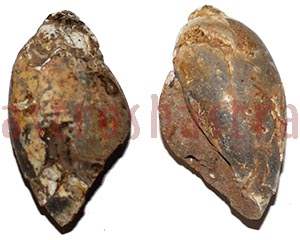
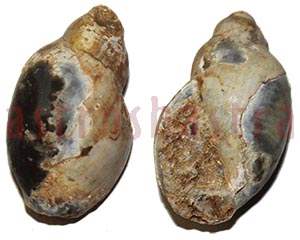
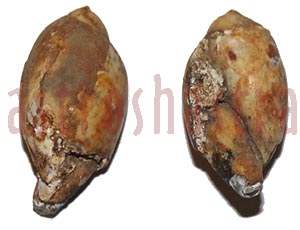
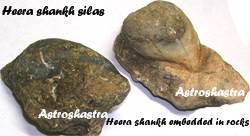
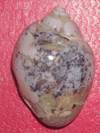
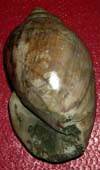
Heera Shankh is traditionally described as a rare Dakshinavarti Shankh with a distinctive appearance. Its inner portion may have a naturally sparkling, crystal-like appearance, giving it the traditional name associated with diamonds or precious stones.
In traditional belief, Dakshinavarti Shankh is associated with Goddess Lakshmi and is considered an auspicious object for worship and spiritual practices.
Benefits of Heera Shankh
Traditionally associated with prosperity, peace, positivity and spiritual harmony.
Prosperity
Traditionally associated with abundance, fortune and prosperity.
Peace & Harmony
Used traditionally to create a peaceful and harmonious spiritual environment.
Protection
Traditionally regarded as an auspicious spiritual protection symbol.
Positive Energy
Associated with positive vibrations and a spiritually uplifting atmosphere.
Heera Shankh for Vastu & Positive Energy
In traditional Vastu and spiritual practices, an auspicious Shankh may be placed in a clean and sacred area of the home, office, temple or spiritual space.
- Traditionally kept in a puja room or sacred altar.
- May be used during Lakshmi and Vishnu worship.
- Considered auspicious for spiritual and devotional spaces.
- Traditionally associated with prosperity and abundance.
- May be used as part of traditional Vastu practices.
Original Heera Shankh Collection at Astroshastra
Explore our carefully presented collection of Heera Dakshinavarti Shankhs available in different sizes and forms for worship, spiritual practice, Vastu use and collection purposes.
Rare Heera Shankh
Distinctive and auspicious varieties.
Premium Collection
Specially selected pieces for collectors.
Worship Collection
Suitable for sacred and devotional spaces.
Choose Your Sacred Heera Shankh
Discover our collection with convenient online ordering and product guidance.
How to Worship Heera Shankh
Heera Shankh may be respectfully placed in a clean puja room or sacred altar. Traditional worship may include flowers, incense, diya, sandalwood paste, sacred water and Lakshmi or Vishnu mantras.
श्रीं ह्रीं श्रीं ॐ श्रीमहालक्ष्म्यै नमः ॥
Story Associated with Heera Shankh
According to the traditional story associated with Heera Shankh, an ardent devotee named Heera-Ujawala worshipped Lord Vishnu and Goddess Lakshmi with great devotion.
The traditional account connects the worship of Dakshinavarti Shankh with prosperity, divine blessings and the grace of Goddess Lakshmi.
It is further traditionally believed that some Shankhs transformed into stone-like forms and became known as Heera Shankhs, distinguished by their sparkling and precious-stone-like appearance.
The story is preserved as part of the traditional spiritual lore surrounding Heera Shankh.
Frequently Asked Questions About Heera Shankh
Discover the Sacred Heera Shankh Collection
Explore our collection of Heera Dakshinavarti Shankhs and choose a sacred piece for your spiritual space.
Explore Heera Shankh CollectionRare Heera Dakshinavarti Shankh
Discover authentic hand-picked Heera Dakshinavarti Shankhs specially selected for Prosperity, Wealth, Vastu & Divine Blessings.



Story Associated with Heera Shankh
The Sacred Story of Heera-Ujawala
According to ancient scriptures, long back an old poor lady named Heera-Ujawala used to stay in a village in North East India, where earlier the River Ganges used to flow. She was an ardent devotee of Lord Vishnu and Goddess Laxmi.
Once there was an epidemic that spread in the village and the villagers were dying. Her two sons and their wives too came in the grip of that epidemic and caught the disease.
To save the lives of her sons, daughters-in-law and the rest of the inmates of the village and bring prosperity again to the village, she was told in her dream to do fasting and worship of Laxmi Narayan.
Since she was an ardent devotee and was doing very severe penance to please Lord Vishnu and Goddess Laxmi, Lord Vishnu appeared and promised her that very soon the village would be free from all epidemic and all affected village inmates would soon be blessed with good health.
But to bring prosperity, she was advised to worship Dakshinavarty Laxmi Shankh as Goddess Laxmi can be pleased easily with the worship of Dakshinavarty Shankh.
With the blessing of Lord Vishnu very soon the village was free from diseases. Heeraujawala continued her penance to please Goddess Laxmi.
While she was performing the penance, it is said that very heavy rains started and the water from the ocean started overflowing. One strong wave of ocean unlit the 'Agni Jwala' (the fire which was lit to undertake the yajna) and destroyed the complete place and took away all 'Ahutis' and donations like fruits, utensils etc. along with the wave itself to the ocean.
This made the Heera-Ujawala very sad and in the rage of anger she cursed that the place should immediately be relieved of ocean and become plain.
That place had a number of water species, especially there was a high concentration of Dakshinavarti Shankhs and suddenly when the water receded, these species remained there and could not go back to the ocean.
Since the species was endangered, Lord Varuna, the God of ocean, pleaded Goddess Laxmi to save the species. Goddess immediately appeared where the Heera-Ujawala was performing the penance and requested her to take the curse back.
Heera-Ujwala told Laxmi that now her Shankh had become stone, so how could she continue her penance.
Goddess promised the lady that henceforth all the worshippers of Dakshinavarti Shankhs would be blessed with immense fortune, but they would now be available in very less number since most of them had changed into stone Shankhs.
She further gave a boon that all the stone Shankhs would be glittering with gems and precious stones. All the Shankhs which had turned into stones were named as Heera Shankhs.
The worship of Dakshinavarti Shankhs is traditionally associated with fortune and luck when the japa of the Goddess Laxmi mantra is performed using a Sphatik Mala. These Shankhs are traditionally recommended for keeping in the puja room or altar.
Sadhana or Puja Procedure of Hira Shankh
One should take a bath and wear clean clothes. Sit on a mat or cloth facing east. Cover a wooden seat with yellow cloth.
Take a steel plate and draw a Swastik with Vermilion and place the Mahalakshmi Yantra and Shankha on the plate.
Offer vermilion, milk, ghee, sugar, curd, honey, rice grains and flower petals on the Shankh.
श्रीं ह्रीं श्रीं ॐ श्रीमहालक्ष्म्यै नमः ॥
Then offer flowers and rice grains to the Goddess Lakshmi and pray to her to manifest and bless you. Perform the arti of Goddess.
Let the rosary and Shankh remain in the worship place. Next day keep Shankha in cash box, locker, Almirah or place it on the altar.
Whenever in the future you face financial problems, chant one mala of the Mantra.
Explore Raw Heera Dakshinavarti Shankhs
Discover the complete collection of Heera Dakshinavarti Shankhs available at Astroshastra.
View Complete Heera Shankh CollectionFrequently Asked Questions About Heera Shankh
Heera Shankh is commonly used for spiritual worship, Vastu remedies, positivity, prosperity, and peaceful vibrations in homes and temples.
Yes, many devotees keep Heera Shankh in home temples, offices, and spiritual places for positivity and divine blessings.
According to traditional beliefs, certain auspicious Shankh varieties are associated with prosperity, abundance, and the blessings of Goddess Lakshmi.
Heera Shankh may be worshipped with flowers, diya, incense, sacred water, Tulsi leaves, and Vishnu or Lakshmi mantras.
Many people use Heera Shankh in Vastu practices for positivity, harmony, protection, and spiritual energy balancing.
It is rare, naturally patterned, and considered spiritually powerful.
Keeping it clean and wrapped in a pure cloth maintains its sanctity.
Yes, it is often used in worship, meditation, and Vedic ceremonies.
Learn More About Heera Shankh
Shop Popular Shaligram Shilas
Genuine & Energized Divine Shaligram Shilas


Shop Popular Lucky Charms
Authentic Vedic Lucky Charms for Wealth, Protection, Success, Protection & Prosperity

Lucky Gajraj
Luck & Prosperity
Black Horse Shoe Ring
Protection
Evil Eye Pendant
Negative Energy
Shvetark Ganpati
Success & Wisdom
Kali Haldi
Wealth Attraction
Narmadeshwar Shivling
Divine Blessings
Red Chimri Beads
Good Fortune
White Chimri Beads
Peace & Harmony