
Aja Ekadashi – Vrat Vidhi, Katha, Significance, Mantra & Benefits
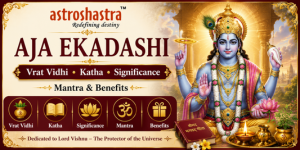
It is observed during the Krishna Paksha of the Hindu month of Bhadrapada and is traditionally considered an important day for fasting, prayer, self-discipline and devotion.
Aja Ekadashi is especially associated with the traditional story of King Harishchandra, whose life was filled with severe hardships but who remained committed to truth and righteousness.
The observance of Aja Ekadashi is traditionally believed to help devotees seek spiritual purification, divine grace and freedom from the burden of past wrongs.
Astroshastra's festival resources include Ekadashi observances and traditional Vishnu worship among its Hindu religious and festival content.
What is Aja Ekadashi?
Aja Ekadashi is the Ekadashi Tithi of Krishna Paksha in Bhadrapada.
Like other Ekadashis, it is dedicated primarily to Lord Vishnu. Devotees traditionally observe a fast, worship Vishnu, chant His names, listen to the Vrat Katha and perform charity.
The word Aja is traditionally associated with this particular Ekadashi, which carries an important message of devotion, truth, repentance and spiritual transformation.
The festival is not simply about abstaining from food. Its deeper purpose is to cultivate self-control, purity of thought and devotion to the Divine.
Significance of Aja Ekadashi
Aja Ekadashi is traditionally considered spiritually significant for several reasons.
1. Worship of Lord Vishnu
Devotees dedicate the day to Lord Vishnu and seek His blessings through prayer, Puja and Mantra Japa.
2. Spiritual Purification
Fasting and devotional practices are traditionally regarded as methods of cleansing the mind and developing greater self-discipline.
3. Freedom from Past Sins
Traditional accounts associate Aja Ekadashi with relief from the consequences of past wrongdoing through sincere repentance and devotion.
4. Strength to Face Difficulties
The story of King Harishchandra highlights the importance of remaining truthful and righteous even during extremely difficult circumstances.
5. Charity and Seva
Daan and helping others can form an important part of the observance.
Astroshastra's Vishnu Puran resource also highlights devotion to Lord Vishnu, Ekadashi fasting, Tulsi offerings and sacred scripture as important devotional practices.
Aja Ekadashi Vrat Katha
The most famous traditional story associated with Aja Ekadashi is the story of King Harishchandra.
King Harishchandra was renowned for his unwavering commitment to truth and righteousness. However, due to a series of difficult circumstances, he lost his kingdom, wealth and family.
Despite suffering tremendous hardship, he refused to abandon the path of truth.
According to the traditional account, his circumstances became so difficult that he was forced to work in a cremation ground.
Even in such an extreme situation, Harishchandra continued to perform his duty honestly.
Eventually, a great sage explained the significance of Aja Ekadashi to him and advised him to observe the Vrat with devotion.
Harishchandra observed the Ekadashi, worshipped Lord Vishnu and followed the prescribed religious practices.
According to the traditional Katha, the power of his devotion and his unwavering commitment to truth eventually brought an end to his suffering. His family and kingdom were restored, and he received divine grace.
The story conveys an important spiritual message:
Truth, Dharma, patience and devotion can provide strength even during the most difficult periods of life.
Spiritual Message of King Harishchandra
The story of Aja Ekadashi is especially powerful because it is not merely about receiving material blessings.
King Harishchandra represents:
- Truthfulness
- Dharma
- Patience
- Sacrifice
- Duty
- Faith
- Perseverance
His story reminds devotees that spiritual strength is often tested during difficult circumstances.
Aja Ekadashi therefore provides an opportunity to reflect on one's actions and strengthen one's commitment to truth and righteousness.
Aja Ekadashi Puja Vidhi
Devotees may follow their family or spiritual tradition. A simple home observance can include the following steps.
Step 1 – Take a Bath
Wake up early and take a bath before beginning the day's spiritual activities.
Step 2 – Clean the Puja Area
Clean the Puja space and place an image or idol of Lord Vishnu.
Step 3 – Take a Sankalp
Take a Sankalp to observe the Aja Ekadashi Vrat with devotion.
Step 4 – Light a Diya
Light a Diya and incense before Lord Vishnu.
Step 5 – Offer Tulsi
Offer fresh Tulsi leaves, flowers, fruits and other traditional offerings.
Step 6 – Perform Vishnu Puja
Worship Lord Vishnu with devotion and recite His names.
Step 7 – Read the Vrat Katha
Read or listen to the traditional Aja Ekadashi Vrat Katha.
Step 8 – Chant Mantras
Chant a Vishnu Mantra or recite Vishnu Sahasranama.
Step 9 – Perform Aarti
Complete the Puja with Lord Vishnu Aarti and prayer.
Aja Ekadashi Fasting Rules
Fasting traditions vary according to family, region and spiritual Sampradaya.
Some devotees observe a strict fast, while others follow Phalahar, consuming permitted fasting foods.
Traditional observances may include:
- Avoiding grains
- Avoiding pulses
- Consuming permitted fruits
- Drinking milk if permitted
- Using rock salt where permitted
- Chanting Vishnu Mantras
- Reading sacred texts
- Avoiding anger and negative thoughts
- Performing charity
The purpose of fasting is spiritual discipline rather than simply food restriction.
Anyone who cannot safely undertake a strict fast should choose a suitable alternative according to their health and circumstances.
What Can Be Eaten During Aja Ekadashi?
Those following a Phalahar fast may traditionally consume foods permitted by their family or spiritual tradition.
Common fasting foods can include:
- Fruits
- Milk
- Nuts
- Sabudana
- Singhara
- Kuttu
- Samak
- Potatoes
- Rock salt
Ekadashi food rules differ between traditions, so devotees should follow the customs prescribed by their family or spiritual teacher.
What Should Be Avoided on Aja Ekadashi?
Devotees traditionally avoid:
- Grains
- Pulses
- Meat and non-vegetarian food
- Alcohol
- Tobacco
- Excessive indulgence
- Anger
- Negative speech
The spiritual focus should remain on devotion, self-control and remembrance of Lord Vishnu.
Aja Ekadashi Mantra
A popular Vishnu Mantra that devotees may chant is:
Om Namo Bhagavate Vasudevaya
Devotees may also chant:
Om Vishnave Namah
Vishnu Sahasranama, Bhagavad Gita recitation and other Vishnu-related devotional practices can also be included.
Importance of Tulsi on Aja Ekadashi
Tulsi has a special place in Vaishnava worship.
Devotees traditionally offer Tulsi leaves to Lord Vishnu during Puja.
Aja Ekadashi is therefore an appropriate occasion for devotees who follow this tradition to offer Tulsi with prayer and devotion.
Astroshastra's Vishnu Puran resource specifically notes the traditional importance of Tulsi offerings and Ekadashi fasting in Vishnu worship.
Aja Ekadashi and Charity
Daan is traditionally considered an important part of religious observances.
On Aja Ekadashi, devotees may donate according to their capacity:
- Food
- Fruits
- Clothes
- Money
- Religious books
- Essential items
- Other useful necessities
The spirit of charity should be based on compassion and Seva rather than expectation of a reward.
Aja Ekadashi and Spiritual Discipline
Ekadashi provides an opportunity to step away from excessive material indulgence and spend more time in spiritual activities.
Devotees may use the day for:
- Meditation
- Mantra Japa
- Reading sacred scriptures
- Vishnu Puja
- Charity
- Self-reflection
- Prayer
- Listening to devotional stories
Aja Ekadashi can therefore become a day of inner purification and spiritual renewal.
Aja Ekadashi and Lord Vishnu
Lord Vishnu represents the principle of preservation and protection in Hindu tradition.
Worshipping Vishnu on Ekadashi is traditionally associated with seeking:
- Divine protection
- Peace
- Spiritual progress
- Strength
- Righteousness
- Freedom from negative influences
Devotees may worship Vishnu in His various forms according to their personal tradition.
For more Vishnu-related spiritual reading, explore Astroshastra's Vishnu Puran Stories.
Aja Ekadashi and Astrology
Aja Ekadashi is fundamentally a religious Vrat, not an astrological remedy.
However, devotees who wish to understand recurring difficulties, spiritual tendencies or obstacles in their lives may seek a personalised Vedic Astrology analysis.
An individual's horoscope can be examined for:
- Planetary periods
- Difficult planetary influences
- Relevant Yogas
- House lords
- Strength of Jupiter
- Moon and mental tendencies
- Spiritual inclinations
A general Ekadashi remedy should not replace an individual horoscope analysis.
For personalised guidance, get your horoscope analysed by an Astro Expert at Astroshastra.
How to Observe Aja Ekadashi at Home
A simple home observance can be arranged as follows:
Morning:
Take a bath, clean the Puja area and take the Vrat Sankalp.
During the Day:
Observe the chosen form of fasting, chant Vishnu Mantras and spend time reading spiritual texts.
Evening:
Perform Lord Vishnu Puja, offer Tulsi and flowers, and read the Aja Ekadashi Vrat Katha.
Night:
Continue prayer, meditation or Naam Japa according to your tradition.
Dwadashi:
Break the fast during the appropriate Parana period according to the local Panchang and one's tradition.
Aja Ekadashi – Important Symbols
| Symbol | Traditional Significance |
|---|---|
| Lord Vishnu | Preservation, protection and divine grace |
| Tulsi | Devotion and purity |
| Diya | Divine light |
| Ekadashi Vrat | Self-discipline and spiritual focus |
| Vishnu Mantra | Devotional remembrance |
| Charity | Seva and compassion |
| Vrat Katha | Spiritual wisdom and moral guidance |
Frequently Asked Questions About Aja Ekadashi
What is Aja Ekadashi?
Aja Ekadashi is a sacred Ekadashi observed during the Krishna Paksha of Bhadrapada and dedicated to Lord Vishnu.
Why is Aja Ekadashi important?
It is traditionally associated with spiritual purification, devotion to Lord Vishnu, overcoming difficulties and seeking freedom from the consequences of past actions.
Who is worshipped on Aja Ekadashi?
Lord Vishnu is the principal deity worshipped on Aja Ekadashi.
What is the Aja Ekadashi Vrat Katha?
The traditional Katha tells the story of King Harishchandra, who endured severe hardships while remaining committed to truth and Dharma and was ultimately blessed through his devotion.
What is the main Aja Ekadashi Mantra?
A popular Mantra is:
Om Namo Bhagavate Vasudevaya.
Can unmarried people observe Aja Ekadashi?
Yes. Ekadashi is a devotional observance and may be observed by devotees according to their spiritual and family traditions.
Can women observe Aja Ekadashi?
Yes. Women may observe Aja Ekadashi according to their health, personal circumstances and family tradition.
What foods can be eaten during Aja Ekadashi?
Those following a Phalahar fast may traditionally consume fruits, milk, nuts and other permitted fasting foods. Exact rules vary by tradition.
Can I observe Aja Ekadashi without fasting?
Yes. People who cannot safely fast may focus on prayer, Mantra Japa, charity and other devotional practices rather than undertaking a strict fast.
Is Aja Ekadashi an astrological remedy?
Aja Ekadashi is primarily a religious and spiritual Vrat. It should not be considered a substitute for personalised Vedic Astrology analysis or medical treatment.
When should the Aja Ekadashi fast be broken?
The fast is traditionally broken during the prescribed Dwadashi Parana period. Exact timings depend on the location and Panchang.
Aja Ekadashi is a sacred day dedicated to Lord Vishnu that combines fasting, devotion, charity and spiritual reflection.
The powerful story of King Harishchandra gives this Ekadashi a particularly important message: even when life becomes extremely difficult, one should try to remain committed to truth, Dharma, patience and faith.
By observing Aja Ekadashi with sincerity, devotees can use the day for prayer, Vishnu Mantra Japa, scripture reading, charity and self-reflection.
The deeper purpose of the Vrat is not simply to abstain from food but to control the senses, purify the mind and strengthen one's connection with the Divine.
May Lord Vishnu bless all devotees with peace, strength, wisdom and spiritual progress.