
Anant Chaturdashi: Significance, Vrat, Puja Vidhi, Mantra, Rituals and Benefits
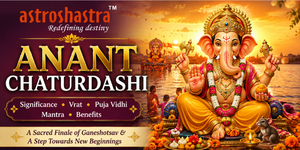
The festival is observed on the Chaturdashi Tithi of Shukla Paksha in the month of Bhadrapada according to the Hindu lunar calendar.
Anant Chaturdashi is associated with the sacred Anant Vrat, during which devotees worship Lord Ananta and tie the Anant Sutra, a sacred thread traditionally prepared with fourteen knots. Devotees pray for prosperity, stability, protection, family well-being and the fulfillment of sincere spiritual intentions.
The day also holds special importance in many parts of India as the traditional concluding day of Ganeshotsav, when devotees perform Ganesh Visarjan after several days of worship.
When Is Anant Chaturdashi Celebrated?
Anant Chaturdashi is observed on the fourteenth day, or Chaturdashi Tithi, of Shukla Paksha in Bhadrapada month.
As Hindu festivals follow the lunar calendar, the corresponding Gregorian date changes every year. The exact Tithi and auspicious Puja timings should therefore be checked according to the local Panchang.
For devotees observing Anant Vrat, the timing of the Puja and the method of tying the Anant Sutra may vary according to regional and family traditions.
What Is Anant Chaturdashi?
The word Anant means infinite, endless or without beginning and end. In Hindu tradition, Ananta is associated with the eternal form of Lord Vishnu.
Anant Chaturdashi is therefore a day dedicated to remembering the eternal and limitless nature of the Divine.
Devotees perform Puja and observe the Anant Vrat with the intention of seeking:
- Protection
- Stability
- Prosperity
- Family well-being
- Spiritual strength
- Removal of obstacles
- Peace and harmony
- Fulfillment of sincere wishes
The festival emphasizes faith, discipline and devotion rather than material expectations alone.
Significance of Anant Chaturdashi
Anant Chaturdashi has both religious and spiritual significance.
The central concept of the festival is Ananta, representing infinity and eternity. Devotees remember Lord Vishnu as the sustaining force of the universe and seek His blessings for stability and protection.
The observance of Anant Vrat is traditionally associated with a commitment to devotion and discipline.
The sacred thread, or Anant Sutra, symbolizes the devotee's connection with the Divine and the vow undertaken on this sacred occasion.
Who Is Lord Ananta?
Lord Ananta is associated with Lord Vishnu and the concept of eternity.
In Hindu iconography, Vishnu is traditionally depicted reclining upon Ananta Shesha, the divine serpent. The serpent represents infinity and the eternal cosmic principle.
The image of Lord Vishnu resting upon Ananta Shesha carries deep symbolic meaning. It represents divine stability and the eternal nature of existence.
Worshipping Ananta on Anant Chaturdashi therefore represents remembrance of the limitless Divine and a prayer for stability in life.
Anant Chaturdashi and Anant Vrat
The principal religious observance of Anant Chaturdashi is the Anant Vrat.
Devotees undertake the Vrat with faith and devotion and perform special worship of Lord Vishnu.
Traditionally, the Anant Sutra is an important part of the observance.
The Vrat may be undertaken for:
- Family prosperity
- Stability in life
- Protection from difficulties
- Peace and harmony
- Spiritual discipline
- Divine blessings
- Well-being of loved ones
Different communities follow different customs regarding the duration and procedure of Anant Vrat.
What Is Anant Sutra?
The Anant Sutra is a sacred thread associated with Anant Vrat.
It is traditionally prepared with fourteen knots, representing the fourteen worlds described in Hindu cosmological traditions.
The thread is worshipped during the Puja and then tied by the devotee according to the customs of the tradition being followed.
In many traditions, men traditionally tie the Anant Sutra on the right arm, while women tie it on the left arm. However, regional practices can differ.
The sacred thread serves as a reminder of the vow and the devotee's faith in Lord Ananta.
Anant Chaturdashi Puja Vidhi
The exact Puja procedure can vary according to regional customs and family traditions. A simple traditional worship procedure can include the following steps.
1. Clean the House and Puja Area
Clean the home and Puja space before beginning the worship.
Devotees may take a bath and wear clean clothes.
2. Prepare the Puja Altar
Place an image or idol of Lord Vishnu on a clean Puja platform.
A representation of Ananta Shesha may also be used according to tradition.
3. Establish the Kalash
Prepare a Kalash with clean water and decorate it with traditional Puja items.
Place the Kalash according to the customary Puja arrangement.
4. Light a Diya
Light a ghee or oil Diya and incense before beginning the Puja.
Take a Sankalp for observing Anant Vrat.
5. Worship Lord Vishnu
Offer traditional Puja items to Lord Vishnu, including:
- Flowers
- Akshat
- Sandalwood
- Incense
- Diya
- Fruits
- Sweets
- Naivedya
6. Offer Tulsi
Tulsi is traditionally associated with Vishnu worship.
Offer fresh Tulsi leaves according to the custom being followed.
7. Worship the Anant Sutra
Place the Anant Sutra before the deity and worship it with flowers, Akshat, sandalwood and other appropriate offerings.
8. Recite the Anant Vrat Katha
Read or listen to the traditional Anant Vrat Katha.
The Katha explains the significance of the Vrat and reinforces the importance of faith and devotion.
9. Tie the Anant Sutra
After the Puja, the sacred thread is tied according to the family's traditional practice.
The thread is traditionally treated as a sacred reminder of the Anant Vrat.
10. Perform Aarti
Conclude the Puja with Lord Vishnu Aarti and distribute Prasad among family members.
Anant Chaturdashi Puja Samagri
The following items can be arranged for Anant Chaturdashi Puja:
- Idol or picture of Lord Vishnu
- Anant Sutra
- Fourteen-knot sacred thread
- Puja cloth
- Kalash
- Water
- Flowers
- Garland
- Roli
- Kumkum
- Akshat
- Sandalwood
- Incense sticks
- Diya
- Ghee or oil
- Cotton wicks
- Tulsi leaves
- Fruits
- Sweets
- Panchamrit
- Coconut
- Betel leaves
- Betel nut
- Naivedya
- Prasad
The exact Samagri may differ according to regional traditions.
Anant Chaturdashi Mantra
Devotees can chant a simple Vishnu Mantra during Anant Chaturdashi Puja:
Om Anantaya Namah.
This mantra is a devotional salutation to Lord Ananta.
Devotees may also chant:
Om Namo Bhagavate Vasudevaya.
This is a widely revered Vishnu Mantra and can be recited during Puja, meditation and Naam Japa.
Anant Chaturdashi Vrat Katha
The traditional Anant Vrat Katha is an important part of Anant Chaturdashi observance.
One well-known narrative is associated with Koundinya and Sushila.
According to the traditional story, Sushila came across women observing the Anant Vrat and learned about the worship of Lord Ananta. She followed the practice with faith and received prosperity and well-being.
Koundinya, however, became doubtful about the significance of the sacred thread and eventually discarded it. This was followed by difficulties and loss of prosperity.
Realizing his mistake, Koundinya sought Lord Ananta and undertook spiritual discipline. Through devotion and repentance, he received divine grace.
The story emphasizes the importance of faith, sincerity, humility and devotion.
Spiritual Lesson of the Anant Vrat Katha
The Anant Vrat Katha carries a deeper message beyond the external ritual.
It teaches that:
- Faith should be sincere.
- Spiritual commitments should be respected.
- Pride can lead to difficulties.
- Devotion requires patience.
- Gratitude should accompany prosperity.
- Mistakes can be corrected through sincere repentance.
- Divine remembrance can provide spiritual strength.
The Anant Sutra can therefore be viewed as a reminder of one's spiritual commitment.
Anant Chaturdashi and Lord Vishnu
Lord Vishnu is the principal deity associated with Anant Chaturdashi.
Vishnu is traditionally regarded as the preserver of the universe. His Ananta form represents eternity and the limitless nature of the Divine.
Devotees may worship Vishnu with:
- Vishnu Mantras
- Tulsi
- Flowers
- Fruits
- Sweets
- Diya
- Aarti
- Naam Japa
The worship is performed with the intention of seeking divine protection, stability and spiritual guidance.
Anant Chaturdashi and Ganesh Visarjan
Anant Chaturdashi also has a special connection with Ganeshotsav.
In many regions, particularly Maharashtra, Ganesh Chaturthi celebrations conclude with the immersion of Lord Ganesha idols on Anant Chaturdashi.
Devotees carry the idol in a procession accompanied by devotional singing, music and prayers before performing Visarjan.
The immersion represents the return of the worshipped form to the natural elements and reminds devotees of the temporary nature of physical existence.
The emotional farewell is traditionally accompanied by prayers for Lord Ganesha to return again with His blessings.
Spiritual Meaning of Ganesh Visarjan on Anant Chaturdashi
Ganesh Visarjan carries an important spiritual message.
The idol is created, worshipped with devotion and eventually immersed. This reflects the cycle of creation, existence and dissolution.
The ritual teaches devotees to understand:
Everything physical is temporary, while the Divine principle is eternal.
Anant Chaturdashi therefore combines two powerful spiritual ideas:
Ananta — Eternity
and
Visarjan — Acceptance of Change and Impermanence
Anant Chaturdashi Rituals
Common devotional practices include:
- Observing Anant Vrat
- Worshipping Lord Vishnu
- Preparing and worshipping Anant Sutra
- Chanting Vishnu Mantras
- Listening to Anant Vrat Katha
- Offering Tulsi
- Performing Aarti
- Visiting Vishnu temples
- Donating food
- Performing Seva
- Participating in Ganesh Visarjan where traditionally observed
The specific rituals can vary considerably between regions and communities.
Benefits of Anant Chaturdashi Vrat
According to Hindu religious traditions, observing Anant Vrat with sincerity is associated with spiritual and devotional benefits.
1. Encourages Faith
The Vrat provides an opportunity to strengthen one's faith in Lord Vishnu and the Divine.
2. Promotes Discipline
Fasting and devotional practices encourage self-control and spiritual discipline.
3. Supports Family Well-Being
Devotees traditionally pray for the welfare, stability and prosperity of their families.
4. Encourages Inner Peace
Prayer, Mantra Japa and meditation can create a peaceful devotional environment.
5. Develops Patience
Observing a sacred vow encourages patience, commitment and perseverance.
6. Encourages Positive Transformation
The festival provides an opportunity to reflect on one's habits and make positive changes.
7. Strengthens Spiritual Awareness
Worship and Katha encourage devotees to contemplate the eternal nature of the Divine.
Anant Chaturdashi and Family Prosperity
Many devotees observe Anant Vrat with prayers for the stability and prosperity of their household.
Families may perform Vishnu Puja together, listen to the Vrat Katha and participate in Aarti.
The sacred thread becomes a reminder of the family's spiritual commitment and prayers for continued harmony.
Prosperity in the traditional understanding is not limited to money. It can also include:
- Peace
- Good relationships
- Stability
- Contentment
- Wisdom
- Health and well-being
- Spiritual strength
Charity and Seva on Anant Chaturdashi
Charity can be incorporated into Anant Chaturdashi observance.
Devotees may offer:
- Food to people in need
- Clothes
- Fruits
- Prasad
- Donations
- Support for charitable activities
- Assistance to elderly or disadvantaged people
- Food and care for animals
The deeper purpose of charity is to develop compassion and selflessness.
What Should Be Avoided on Anant Chaturdashi?
Devotees traditionally try to maintain purity, discipline and a peaceful atmosphere during the Vrat.
Depending on the tradition, devotees may avoid:
- Unnecessary arguments
- Anger and negative speech
- Intoxicants
- Excessive worldly distractions
- Foods prohibited by their fasting tradition
- Disrespect toward religious practices
The day should ideally be devoted to prayer, contemplation, charity and positive actions.
Anant Chaturdashi and Spiritual Transformation
The word Anant reminds us of something that has no end.
Human life, however, is constantly changing. Wealth, relationships, circumstances and physical possessions are temporary.
Anant Chaturdashi provides an opportunity to reflect on what is truly lasting.
The festival encourages devotees to develop qualities such as:
Faith + Patience + Discipline + Compassion + Surrender
These qualities can help transform the way we approach both prosperity and difficulties.
Anant Chaturdashi in Modern Life
The spiritual message of Anant Chaturdashi remains meaningful in modern life.
People often seek stability in finances, relationships, careers and family life. Yet external circumstances can change unexpectedly.
The festival encourages us to develop an inner foundation based upon faith, discipline and spiritual awareness.
The Anant Sutra can serve as a symbolic reminder to remain committed to positive values even when circumstances change.
How to Observe Anant Chaturdashi at Home
A simple home observance can include:
- Clean the home and Puja area.
- Take a bath and wear clean clothes.
- Place Lord Vishnu's image or idol on the altar.
- Prepare the Anant Sutra.
- Light a Diya and incense.
- Take the Sankalp for Anant Vrat.
- Perform Lord Vishnu Puja.
- Offer Tulsi, flowers, fruits and Naivedya.
- Worship the Anant Sutra.
- Read or listen to the Anant Vrat Katha.
- Chant Vishnu Mantras.
- Tie the Anant Sutra according to tradition.
- Perform Aarti.
- Distribute Prasad.
- Perform charity or Seva according to one's ability.
Anant Chaturdashi is a sacred Hindu festival dedicated to Lord Ananta and associated with the worship of Lord Vishnu, the Anant Vrat and the sacred Anant Sutra. The festival is traditionally observed on the Shukla Paksha Chaturdashi of Bhadrapada month.
The day carries a profound spiritual message about eternity, faith, discipline, stability and surrender to the Divine.
For devotees observing Anant Vrat, the sacred thread represents a commitment to faith and devotion. The traditional Vrat Katha emphasizes sincerity, humility and the importance of maintaining one's spiritual commitments.
Anant Chaturdashi also marks the conclusion of Ganeshotsav in many regions, making it a day of both celebration and reflection.
The festival reminds us that while circumstances and material possessions may change, spiritual values such as faith, compassion, patience and devotion can provide a lasting foundation.
May Lord Ananta bless all devotees with peace, prosperity, stability, protection, wisdom and spiritual strength.
? ??????? ????
Om Anantaya Namah.
Frequently Asked Questions About Anant Chaturdashi
What is Anant Chaturdashi?
Anant Chaturdashi is a Hindu festival dedicated primarily to Lord Vishnu in His Ananta form. It is associated with Anant Vrat and the worship of the sacred Anant Sutra.
When is Anant Chaturdashi celebrated?
Anant Chaturdashi is observed on the Chaturdashi Tithi of Shukla Paksha in Bhadrapada month. The Gregorian date changes every year according to the Hindu lunar calendar.
What is Anant Vrat?
Anant Vrat is a devotional vow observed on Anant Chaturdashi. Devotees worship Lord Ananta and traditionally tie the sacred Anant Sutra after performing the Puja.
What is Anant Sutra?
Anant Sutra is a sacred thread traditionally associated with Anant Vrat. It is commonly prepared with fourteen knots and is worshipped before being tied according to family and regional traditions.
Which deity is worshipped on Anant Chaturdashi?
Lord Vishnu in His Ananta form is the principal deity worshipped on Anant Chaturdashi.
What is the Anant Chaturdashi Mantra?
A simple mantra is:
? ??????? ????
Om Anantaya Namah.
Devotees may also chant Om Namo Bhagavate Vasudevaya during Vishnu Puja.
What is the significance of fourteen knots in the Anant Sutra?
The fourteen knots are traditionally associated with the fourteen worlds described in Hindu cosmological traditions. The exact interpretation can vary across traditions.
Can Anant Chaturdashi Vrat be observed at home?
Yes. Devotees can perform Anant Vrat and Vishnu Puja at home according to their family tradition and religious practice.
What should be offered to Lord Vishnu on Anant Chaturdashi?
Devotees may offer Tulsi leaves, flowers, fruits, sweets, sandalwood, incense, Diya and Naivedya according to their tradition.
What is the connection between Anant Chaturdashi and Ganesh Visarjan?
In many parts of India, Anant Chaturdashi marks the concluding day of Ganeshotsav, and devotees perform Ganesh Visarjan after the period of Ganesh worship.
What are the spiritual benefits of Anant Vrat?
Traditionally, Anant Vrat is associated with strengthening faith, discipline, spiritual awareness, family well-being, stability and devotion.
What does Anant symbolize?
The word Anant means infinite or endless. Spiritually, it represents the eternal and limitless nature of the Divine.
What is the Anant Chaturdashi Vrat Katha?
The traditional Vrat Katha includes the story of Koundinya and Sushila and emphasizes faith, devotion, humility and respect for one's spiritual commitments.
What is the deeper spiritual meaning of Anant Chaturdashi?
Anant Chaturdashi reminds devotees that worldly circumstances are temporary while the Divine is eternal. It encourages faith, discipline, surrender, compassion and spiritual transformation.