
Diwali, the festival of lights, is one of the most auspicious occasions in Hindu tradition. It is a time to welcome prosperity, celebrate new beginnings, illuminate our homes and hearts, and pray for happiness and success in the coming year. Among the many rituals performed during this festival, the worship of Goddess Lakshmi and Lord Ganesha together holds a special place.
Lakshmi Ganesha Diwali Significance: Why Both Are Worshipped
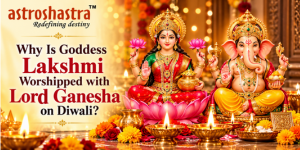
But have you ever wondered why Goddess Lakshmi, the deity associated with wealth and abundance, is worshipped alongside Lord Ganesha, the remover of obstacles and the god of wisdom?
The Lakshmi Ganesha Diwali significance lies in the complementary blessings these two deities represent. Goddess Lakshmi symbolises prosperity, good fortune and abundance, while Lord Ganesha represents wisdom, discernment, auspicious beginnings and the ability to overcome obstacles.
Together, they convey an important spiritual message: prosperity becomes truly meaningful when it is guided by wisdom, supported by good intentions and used responsibly.
1. Who Is Goddess Lakshmi and What Does She Represent?
Goddess Lakshmi is revered in Hinduism as the goddess of wealth, prosperity, beauty, abundance and good fortune. She is associated with material well-being as well as the blessings that make life harmonious and fulfilling.
During Diwali Lakshmi Puja, devotees pray to Goddess Lakshmi for financial stability, success in business, peace at home and the removal of scarcity from their lives.
Her symbolism extends beyond money. Prosperity may also include good health, supportive relationships, contentment, opportunities, knowledge and spiritual well-being.
In traditional iconography, Goddess Lakshmi is often depicted seated on a lotus, symbolising purity, beauty and the ability to remain grounded in goodness even while surrounded by worldly challenges.
Her presence during Diwali reminds devotees to welcome abundance with gratitude, maintain cleanliness and harmony in their surroundings, and treat wealth as a responsibility rather than merely a possession.
To learn more about the goddess, her symbolism and her spiritual importance, explore our dedicated Goddess Lakshmi page.
2. Why Is Lord Ganesha Worshipped Alongside Goddess Lakshmi?
Lord Ganesha is widely worshipped as Vighnaharta, the remover of obstacles, and as the deity of wisdom, intelligence and auspicious beginnings.
In Hindu tradition, Lord Ganesha is commonly invoked before starting a new undertaking, whether it is opening a business, beginning a journey, performing a religious ceremony or embarking on an important personal endeavour.
During Diwali, his worship alongside Goddess Lakshmi reflects the belief that wealth and success should be accompanied by wisdom and the ability to make sound decisions.
Consider the following:
Wealth without wisdom may lead to wasteful spending and poor decisions.
Success without discernment may create pride, conflict or instability.
Opportunities without the ability to overcome obstacles may remain unrealised.
Prosperity guided by wisdom can support lasting growth, generosity and peace.
Lord Ganesha represents the qualities that help people make constructive use of the opportunities and resources associated with Goddess Lakshmi's blessings.
His presence in Diwali worship therefore serves as a reminder that success is not simply about acquiring wealth. It is also about knowing how to earn, preserve and use it wisely.
3. Lakshmi Ganesha Diwali Significance: The Meaning Behind Their Combined Worship
The combined worship of Goddess Lakshmi and Lord Ganesha brings together several complementary spiritual principles.
Goddess Lakshmi: The Blessing of Prosperity
Lakshmi represents abundance, financial well-being, good fortune and the fruits of constructive effort. Her worship expresses the devotee's aspiration for stability, happiness and prosperity.
Lord Ganesha: The Blessing of Wisdom
Ganesha represents intelligence, clear thinking, sound judgement and the removal of obstacles. His worship expresses the desire to make wise choices and approach new opportunities with confidence and humility.
Together: Prosperity Guided by Wisdom
When worshipped together, Lakshmi and Ganesha represent a balanced approach to life. Prosperity provides resources and opportunities, while wisdom helps us use them appropriately.
Their combined symbolism can be understood through four important principles:
| Divine symbolism | Spiritual meaning |
|---|---|
| Goddess Lakshmi | Wealth, abundance and good fortune |
| Lord Ganesha | Wisdom, discernment and the removal of obstacles |
| Their combined worship | Prosperity supported by wise decisions |
| Diwali celebrations | Hope, renewal, gratitude and auspicious beginnings |
This is the central message of the Lakshmi Ganesha Diwali significance: wealth is most beneficial when accompanied by wisdom, and new beginnings become more meaningful when approached with clarity and good intentions.
4. The Symbolism of Prosperity and Wisdom
One of the most meaningful aspects of Diwali worship is the relationship between material prosperity and inner wisdom.
Wealth can provide comfort, security and opportunities. However, without careful judgement, even substantial resources can be misused or lost. Similarly, wisdom becomes more effective when it is translated into thoughtful action.
The worship of Lakshmi and Ganesha together reminds devotees to cultivate both qualities.
For example, a business owner may pray to Goddess Lakshmi for prosperity and to Lord Ganesha for the wisdom to make ethical decisions, manage resources carefully and navigate challenges.
A family may seek Lakshmi's blessings for financial stability and Ganesha's blessings for harmony, understanding and the ability to resolve difficulties.
A student or professional may view this worship as a reminder to combine ambition with discipline, intelligence and perseverance.
In this way, the ritual becomes more than a request for divine blessings. It encourages devotees to develop the qualities that help create and sustain a fulfilling life.
5. Auspicious Beginnings: Why Ganesha Is Important on Diwali
Diwali is associated with renewal, hope and the beginning of a fresh chapter. For many Hindu families and businesses, the festival is also a time to review financial matters, begin new ventures, maintain accounts and set intentions for the year ahead.
Lord Ganesha's association with auspicious beginnings makes his worship especially meaningful during this period.
Devotees traditionally invoke him to seek guidance, remove obstacles and approach their plans with a clear mind.
His presence alongside Goddess Lakshmi reflects an important principle: it is not enough to wish for success; one must also cultivate the wisdom, patience and determination needed to pursue it.
Whether a person is starting a business, planning a new investment, pursuing education or working towards a personal goal, the symbolism of Ganesha encourages thoughtful preparation rather than impulsive action.
Diwali thus becomes an opportunity to combine prayer with practical resolve.
6. The Removal of Obstacles and the Preservation of Wealth
Lord Ganesha is widely revered as Vighnaharta, the remover of obstacles. In spiritual practice, obstacles may be understood not only as external difficulties but also as inner challenges such as confusion, greed, impatience, pride and poor judgement.
These qualities can interfere with personal growth and financial stability.
By worshipping Ganesha alongside Lakshmi, devotees are reminded to seek clarity in their decisions and to avoid actions that could undermine their well-being.
For instance:
Avoiding unnecessary expenditure: Wisdom helps distinguish genuine needs from momentary desires.
Making responsible financial decisions: Careful planning can help reduce avoidable risks.
Maintaining ethical conduct: Honesty and fairness support trust in personal and professional relationships.
Overcoming fear and indecision: Confidence and perseverance help people act constructively when challenges arise.
Practising generosity: Sharing resources with compassion can make prosperity beneficial to others as well.
Religious worship is a source of faith and spiritual encouragement. These practical principles are not guarantees of financial success, but they offer a meaningful way to apply the teachings associated with Lakshmi and Ganesha in everyday life.
7. Why Are Lakshmi and Ganesha Worshipped on Diwali Instead of Lakshmi Alone?
Goddess Lakshmi is the principal deity of Lakshmi Puja on Diwali, particularly in traditions that emphasise prosperity, abundance and good fortune. Lord Ganesha is worshipped alongside her because his blessings are traditionally sought before auspicious activities and important undertakings.
Their joint worship is therefore not a competition between two deities or a suggestion that one is more important than the other. Rather, it reflects the complementary nature of their spiritual roles.
Goddess Lakshmi represents the blessings of prosperity, while Lord Ganesha represents the wisdom and discernment needed to make constructive use of those blessings.
In many households, devotees begin the puja by invoking Lord Ganesha and then worship Goddess Lakshmi. The precise order and rituals may differ according to family customs, regional traditions and religious practices.
The broader message remains consistent: seek prosperity, but also cultivate the wisdom and responsibility necessary to sustain it.
8. How to Worship Goddess Lakshmi and Lord Ganesha on Diwali
Lakshmi Ganesha Puja is traditionally performed during the Diwali evening, with many families choosing an auspicious puja muhurat according to their local Panchang and customs.
Although the details may vary, the following steps offer a general outline of the worship.
Step 1: Clean and Prepare the Puja Space
Clean the home and prepare a peaceful place for worship. Decorate the area with flowers, diyas and traditional decorations.
Cleanliness and a welcoming atmosphere reflect the spirit of renewal associated with Diwali.
Step 2: Place the Idols or Pictures
Place the images or idols of Lord Ganesha and Goddess Lakshmi in the designated puja area according to your family's tradition.
Arrange the offerings neatly and ensure that the space is comfortable for everyone participating in the puja.
Step 3: Begin with Lord Ganesha
Offer prayers to Lord Ganesha and seek his blessings for wisdom, auspicious beginnings and the removal of obstacles.
Devotees may chant a traditional Ganesha mantra, such as:
Om Gan Ganapataye Namah.
Step 4: Worship Goddess Lakshmi
Offer flowers, diyas, incense, sweets and other customary offerings to Goddess Lakshmi. Pray for prosperity, harmony, stability and well-being.
A commonly recited mantra is:
Om Shreem Mahalakshmyai Namah.
Mantras and offerings may differ according to family traditions and the specific puja being performed.
Step 5: Perform Aarti
Perform the aarti for the deities and offer prayers with devotion. Family members may participate by singing traditional devotional songs and expressing gratitude for the blessings they have received.
Step 6: Make a Personal Sankalp
Conclude the puja by reflecting on the coming year and setting positive intentions.
Alongside prayers for prosperity, resolve to practise honesty, manage money responsibly, help those in need and approach challenges with patience and wisdom.
Remember that devotion is expressed not only through rituals but also through one's conduct and treatment of others.
Note: For the exact Diwali Lakshmi Puja muhurat, consult the local Panchang for your city and the relevant year's festival date.
9. The Spiritual Lesson of Lakshmi Ganesha Puja for Modern Life
The worship of Lakshmi and Ganesha has a timeless relevance, even in today's fast-moving world.
Many people associate prosperity primarily with income, possessions, business growth or professional achievements. While these may be important goals, a fulfilling life also depends on how people make decisions, handle responsibilities and respond to difficulties.
The combined symbolism of Lakshmi and Ganesha encourages a more balanced perspective.
In personal life: Seek prosperity while preserving peace, gratitude and meaningful relationships.
In professional life: Combine ambition with ethical conduct, planning and sound judgement.
In financial matters: Value resources, avoid unnecessary risks and make informed decisions.
In spiritual life: Recognise that abundance can include health, knowledge, contentment, generosity and inner peace.
In relationships: Let wisdom guide communication, patience and the resolution of disagreements.
The message is especially relevant during Diwali, when people celebrate hope and look forward to new possibilities.
By reflecting on the qualities represented by these deities, devotees can turn a traditional ritual into an opportunity for personal growth and a more thoughtful approach to prosperity.
10. Frequently Asked Questions About Lakshmi Ganesha Diwali Significance
Q1. Why are Goddess Lakshmi and Lord Ganesha worshipped together on Diwali?
Goddess Lakshmi represents wealth, prosperity and good fortune, while Lord Ganesha represents wisdom, auspicious beginnings and the removal of obstacles. Their combined worship symbolises prosperity guided by wisdom and the desire for a harmonious, successful life.
Q2. Who should be worshipped first during Lakshmi Ganesha Puja?
In many Hindu traditions, Lord Ganesha is worshipped first because he is associated with auspicious beginnings and the removal of obstacles. Goddess Lakshmi is then worshipped for prosperity and abundance. However, specific rituals may vary by family and regional tradition.
Q3. Does Goddess Lakshmi represent only money?
No. Goddess Lakshmi is associated with several forms of prosperity, including abundance, good fortune, beauty, harmony and well-being. Her symbolism extends beyond financial wealth to the many blessings that contribute to a fulfilling life.
Q4. Why is Lord Ganesha important for financial prosperity?
Lord Ganesha's association with wisdom and the removal of obstacles makes him an important deity in prayers for success. His symbolism encourages devotees to approach financial and professional decisions with clarity, patience and sound judgement. Worship is a spiritual practice, not a guarantee of financial outcomes.
Q5. Can Lakshmi Ganesha Puja be performed at home?
Yes. Many families perform Lakshmi Ganesha Puja at home on Diwali using idols or pictures, traditional offerings, diyas, prayers and aarti. The specific procedure can be followed according to family customs and the local Panchang.
Q6. What is the main spiritual message of worshipping Lakshmi and Ganesha together?
The central message is that prosperity and wisdom complement each other. Wealth can create opportunities, while wisdom helps people use those opportunities responsibly, overcome challenges and contribute positively to the lives of others.
Q7. Which mantra can be chanted during Lakshmi Ganesha Puja?
Devotees commonly chant Om Gan Ganapataye Namah for Lord Ganesha and Om Shreem Mahalakshmyai Namah for Goddess Lakshmi. Mantra selection and chanting practices may vary according to individual faith and tradition.
Welcome Prosperity with Wisdom This Diwali
The Lakshmi Ganesha Diwali significance goes far beyond the desire for wealth and success. It reflects the complementary blessings of prosperity, wisdom, auspicious beginnings and the ability to overcome obstacles.
Goddess Lakshmi inspires devotees to welcome abundance, while Lord Ganesha reminds them to cultivate intelligence, humility and discernment. Together, they represent the ideal of a prosperous life guided by wise choices and positive intentions.
This Diwali, as you light diyas and offer prayers, take a moment to reflect on what prosperity truly means to you. Along with seeking material abundance, resolve to make thoughtful decisions, act with integrity, support those in need and nurture peace within your home.
May Goddess Lakshmi bless your home with prosperity and happiness, and may Lord Ganesha guide your path with wisdom, clarity and auspicious beginnings.