
Diwali is one of the most auspicious festivals in Hindu tradition, symbolising the triumph of light over darkness, knowledge over ignorance, and hope over despair. On this sacred occasion, families worship Goddess Lakshmi, the deity associated with prosperity and abundance, and Lord Ganesha, the remover of obstacles and the symbol of wisdom and auspicious beginnings.
Diwali Puja Samagri List : Complete Checklist
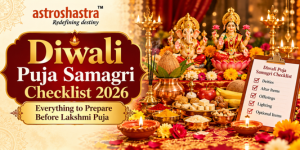
As families prepare their homes for Diwali 2026, arranging the puja samagri in advance can make the celebrations more peaceful, organised and spiritually meaningful.
Whether you are performing Lakshmi-Ganesh Puja at home for the first time or following a family tradition, this Diwali puja samagri list 2026 will help you prepare everything you need, from the deities and altar essentials to traditional offerings, diyas and other important items.
Use this guide as your shopping list, and keep the printable checklist handy so that nothing important is missed before the evening puja.
1. Deities Required for Diwali Lakshmi Puja
The central part of Diwali Puja is the worship of Goddess Lakshmi and Lord Ganesha. Some families also worship additional deities according to their regional customs and family traditions.
Goddess Lakshmi idol or picture: The principal deity worshipped for prosperity, well-being and abundance.
Lord Ganesha idol or picture: Worshipped before other deities for auspicious beginnings and the removal of obstacles.
Lord Vishnu or Lord Kubera: Optional, according to family tradition and the chosen puja vidhi.
Saraswati Mata: May be included by families who traditionally worship the goddess of knowledge and learning.
Family deity (Kuldevta or Kuldevi): Include if your family custom requires it.
Preparation tip: Clean the idols or frames respectfully before arranging the altar. If you are purchasing new idols for Diwali, choose ones that suit your home shrine and traditional preferences.
2. Altar and Puja Essentials
A clean and beautifully arranged puja space helps create a calm and devotional atmosphere.
Clean puja chowki or wooden platform
Red, yellow or traditional puja cloth
Small plates and bowls for offerings
Kalash or water vessel
Clean water for the rituals
Mango leaves, where customary
Fresh flowers and flower garlands
Durva grass for Lord Ganesha, where customary
Kumkum or roli
Haldi (turmeric)
Akshat (unbroken rice grains)
Chandan (sandalwood paste)
Mauli or kalava (sacred thread)
Janeu (sacred thread), if required
Incense sticks and incense holder
Dhoop and dhoop holder
Camphor and a suitable holder for aarti
Bell
Puja book or printed Lakshmi-Ganesh Puja vidhi
Clean cloth or napkin for the puja area
Preparation tip: Arrange the altar before the scheduled puja time. Keep ritual items in separate bowls and place the idols securely so that you do not have to search for anything during worship.
3. Traditional Offerings and Bhog
Offerings are an expression of devotion, gratitude and hospitality towards the deities. The exact offerings can vary by region, household custom and the puja method followed.
Use this checklist to prepare your offerings:
Fresh fruits, such as bananas, apples or seasonal fruits
Sweets, such as laddoos, peda, barfi or other traditional mithai
Dry fruits, including almonds, cashews and raisins
Mishri or batasha, according to custom
Fresh betel leaves, if required
Supari (areca nut), if required
Coconut
Whole turmeric or other traditional auspicious offerings, where customary
Panchamrit ingredients, if included in your puja
Milk, curd, honey, ghee and sugar, as required for Panchamrit
Sweets or homemade prasad
A small amount of uncooked rice for ritual use
Important: Use clean utensils and fresh offerings. Prepare only the items required by your family's tradition or chosen puja vidhi. Not every household needs every item on this list.
4. Diyas, Lighting and Aarti Items
Lighting diyas is among the most recognisable traditions of Diwali. The lamps symbolise hope, positivity and the dispelling of darkness.
Clay diyas
Cotton wicks
Ghee or suitable diya oil
Oil lamps or traditional brass lamps, if used
Aarti thali
Aarti diya
Camphor for aarti, if customary
Matches or a lighter
Decorative lights or candles, if desired
Rangoli colours, flowers or rice flour
A small container for used wicks and ritual remnants
Safety tip: Place diyas on stable, heat-resistant surfaces, away from curtains, paper decorations and other flammable materials. Keep lamps out of children's reach and never leave burning diyas unattended.
5. Optional Family-Specific and Regional Items
Diwali rituals differ across India. Some families follow a traditional Lakshmi Puja, while others include additional rituals associated with business prosperity, regional customs or their family deity.
Check the items that apply to your household:
New account books or a traditional bahi-khata
Pens, calculators or other business-related items
Coins or currency notes for symbolic worship
Silver coins or traditional Lakshmi-Ganesh coins
Gold or silver jewellery, if customary
A traditional kalash arrangement
Shankh (conch shell)
Shri Yantra or Lakshmi Yantra, if part of your established practice
Gomti Chakra or other traditional auspicious objects, if customary
Items for Chopda Puja, where observed
Items required for Kali Puja, Govardhan Puja or other regional observances, if applicable
Family-specific offerings or ritual materials recommended by your priest
These items are optional and should not be treated as universal requirements for Lakshmi Puja. Follow your family's customs and the guidance of your chosen puja vidhi.
6. Printable Diwali Puja Samagri Checklist 2026
Use the checklist below while shopping and preparing your puja space. You can print this section or save it for reference.
A. Deities
Goddess Lakshmi idol or picture
Lord Ganesha idol or picture
Additional deities, if required
Family deity, if customary
B. Altar Items
Puja chowki and cloth
Kalash and water
Flowers and garlands
Kumkum, roli and haldi
Akshat and chandan
Mauli or kalava
Incense sticks and dhoop
Camphor and bell
Puja book or printed vidhi
Plates, bowls and clean cloth
C. Offerings
Fruits
Sweets and prasad
Dry fruits and mishri
Coconut
Betel leaves and supari, if required
Panchamrit ingredients, if required
Other family-specific bhog
D. Lighting and Decoration
Clay diyas
Cotton wicks
Ghee or diya oil
Aarti thali
Matches or lighter
Rangoli materials
Decorative lights, if desired
E. Optional Family-Specific Items
Bahi-khata and pens
Coins or currency notes
Silver coins or jewellery, if customary
Shankh or traditional yantra, if used
Regional puja items
Additional ritual materials recommended by your priest
Final check: Confirm the local puja muhurat, clean the puja area, arrange the offerings and keep the checklist nearby. This simple preparation can help you focus on prayer rather than last-minute shopping.
7. When Should You Buy Diwali Puja Samagri?
It is best to organise your Diwali shopping a few days before the festival. This gives you time to check supplies, purchase fresh offerings and avoid the rush at local markets.
Three to five days before Diwali
Purchase non-perishable items such as kumkum, haldi, incense sticks, camphor, cotton wicks, puja cloth, diyas and any traditional items your family uses.
One or two days before Diwali
Arrange the idols, clean the altar, buy flowers and garlands where practical, and purchase fresh fruits, sweets and other perishable offerings.
On the day of Lakshmi Puja
Check the puja samagri list once more, prepare fresh offerings, arrange the diyas safely and confirm the puja timing for your location.
8. Important Tips for a Peaceful Lakshmi Puja
A meaningful Diwali Puja does not depend on the quantity or expense of the materials purchased. Devotion, cleanliness, gratitude and sincerity remain central to the observance.
Keep these points in mind:
Follow your family's tradition: Ritual requirements can differ between regions and households.
Check the puja muhurat: Confirm the appropriate timing for your city and chosen puja vidhi.
Keep the altar organised: Arrange the items before beginning the rituals.
Use fresh and clean offerings: Handle food and ritual materials hygienically.
Avoid unnecessary purchases: Optional items are not mandatory for every household.
Celebrate safely: Take care with diyas, incense, camphor and electrical decorations.
Include the family: Children and other family members can participate in flower decoration, arranging the checklist and preparing the puja area under adult supervision.
Once you have gathered your puja samagri, the next step is to understand the sequence of worship and the traditions associated with Lakshmi-Ganesh Puja.
Read our Diwali Puja Guide to learn about the significance of Lakshmi Puja, preparation of the puja space, traditional worship practices and the importance of observing the festival with devotion.
Frequently Asked Questions About Diwali Puja Samagri
1. What is included in the Diwali puja samagri list 2026?
The essential list generally includes Goddess Lakshmi and Lord Ganesha idols or pictures, a puja chowki, flowers, kumkum, haldi, rice, incense, camphor, diyas, cotton wicks, ghee or oil, fruits, sweets and other offerings required by your chosen puja vidhi.
2. Which deities are worshipped during Diwali Lakshmi Puja?
Goddess Lakshmi and Lord Ganesha are commonly worshipped during Diwali Lakshmi Puja. Some families also include Lord Vishnu, Lord Kubera, Goddess Saraswati or their family deity according to their customs.
3. Are all the items on a Diwali puja samagri checklist compulsory?
No. The required items depend on the family's traditions, regional practices and the puja method followed. A basic set of clean ritual essentials and suitable offerings is sufficient for many household observances.
4. When should I prepare the Diwali Puja samagri?
You can purchase non-perishable materials three to five days before Diwali and arrange the altar in advance. Buy fresh flowers, fruits and sweets closer to the puja so they remain fresh.
5. What offerings are commonly prepared for Lakshmi Puja?
Common offerings include fruits, traditional sweets, dry fruits, coconut and other items specified by the household's puja vidhi. Panchamrit may also be prepared when it is part of the ritual.
6. Do I need a Shri Yantra for Diwali Lakshmi Puja?
A Shri Yantra is included in some households' traditional worship practices, but it is not a universal requirement for Lakshmi Puja. Follow your family's custom or the instructions of your priest.
7. How can I make sure I do not forget any puja items?
Use a printable Diwali puja samagri checklist divided into deities, altar essentials, offerings, lighting and optional family-specific items. Check each category before beginning the puja.
Welcome Diwali with Preparation and Devotion
Diwali is an opportunity to welcome prosperity, express gratitude and strengthen the spiritual bonds within the family. Preparing your puja materials in advance allows you to observe Lakshmi Puja with greater peace of mind and fewer last-minute distractions.
Save or print this Diwali puja samagri list 2026, personalise it according to your family traditions and keep it ready before the festival.
May this Diwali bring your home light, harmony, wisdom and abundance.
Happy Diwali 2026!