
Goddess Lakshmi is revered in Hindu tradition as the goddess of wealth, prosperity, beauty, auspiciousness and well-being. Her blessings are associated not only with material abundance but also with harmony, generosity, contentment and the wisdom to use one's resources responsibly.
5 Lakshmi Mantras for Prosperity: Meaning & Chanting Method
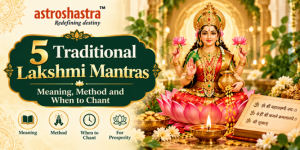
One of the traditional ways devotees express their reverence for Goddess Lakshmi is through mantra chanting. A mantra offers a focused way to pray, cultivate inner stillness and establish a regular spiritual practice.
Whether you wish to begin your morning with a prayer, prepare for Lakshmi Puja or deepen your devotion during Diwali, learning a few traditional Lakshmi mantras for prosperity can help you build a meaningful daily routine.
In this guide, we explore five well-known Lakshmi mantras, their meanings, simple pronunciation guides, devotional intentions and recommended chanting practices.
An important note: Mantra chanting is a spiritual practice rooted in faith and tradition. It should not be treated as a guarantee of financial success or a substitute for practical financial planning and responsible decision-making.
1. Om Shreem Mahalakshmyai Namah
The mantra of reverence to Goddess Mahalakshmi
Mantra:
Roman transliteration: Om Shreem Mahalakshmyai Namah.
Simple pronunciation: Om Shreem Ma-haa-laksh-my-ai Na-mah.
Meaning of the mantra
This mantra is a traditional salutation to Goddess Mahalakshmi.
Om: A sacred syllable representing the ultimate reality and the sacredness of existence in Hindu traditions.
Shreem: A seed syllable, or bija mantra, traditionally associated with Lakshmi and auspiciousness.
Mahalakshmyai: To Goddess Mahalakshmi.
Namah: Salutations or reverential bow.
The mantra can be understood as an expression of devotion and reverence to Goddess Mahalakshmi, seeking her grace and the qualities she represents.
Devotional intention
Devotees may chant this mantra while praying for prosperity, peace, stability and a harmonious home. It can also serve as a reminder to cultivate gratitude and act with integrity.
How to chant
Sit comfortably in a clean and quiet place.
Place an image or idol of Goddess Lakshmi before you, if desired.
Take a few calm breaths and bring your attention to your prayer.
Chant the mantra slowly and clearly.
Begin with 11 repetitions, or choose 108 repetitions if this suits your practice.
Conclude with a moment of silence and a prayer of gratitude.
When to chant: In the morning, during your regular puja or on Fridays, which are traditionally associated with Goddess Lakshmi in many households.
2. Om Shreem Hreem Shreem Kamale Kamalalaye Praseeda Praseeda Shreem Hreem Shreem Om Mahalakshmyai Namah
A traditional Mahalakshmi prayer for grace and auspiciousness
Mantra:
Roman transliteration:
Om Shreem Hreem Shreem Kamale Kamalalaye Praseeda Praseeda, Shreem Hreem Shreem Om Mahalakshmyai Namah.
Simple pronunciation: Chant in short, unhurried phrases, paying attention to each syllable. If the full mantra is unfamiliar, learn it gradually from a reliable recitation.
Meaning of the mantra
This traditional form of Mahalakshmi worship invokes the goddess through sacred seed syllables and names associated with the lotus.
Shreem: Traditionally associated with Lakshmi and auspicious abundance.
Hreem: A sacred seed syllable used in various Hindu devotional and Shakta traditions.
Kamale and Kamalalaye: Names associated with the lotus and the goddess who dwells upon it.
Praseeda: A prayer asking the goddess to be gracious or favourably disposed.
Mahalakshmyai Namah: Salutations to Goddess Mahalakshmi.
The prayer expresses a devotee's appeal for divine grace and auspiciousness.
Devotional intention
This mantra may be included in a longer Lakshmi worship practice, particularly when the devotee wishes to focus on reverence, gratitude and the traditional symbolism of abundance.
How to chant
Learn the complete mantra carefully before beginning regular recitation.
Chant at a comfortable pace without rushing the longer phrases.
You may begin with 3 or 11 repetitions and increase them gradually if desired.
Keep your attention on the meaning and devotional intention rather than the number of repetitions alone.
When to chant: During a dedicated Lakshmi Puja, on Fridays or during festivals associated with Goddess Lakshmi.
Tradition note: This is a longer mantra containing bija syllables. If you follow a particular lineage or prescribed puja method, use the version taught by your tradition or a knowledgeable teacher.
3. Om Hreem Shreem Lakshmibhyo Namah
A devotional salutation associated with Lakshmi
Mantra:
Roman transliteration: Om Hreem Shreem Lakshmibhyo Namah.
Simple pronunciation: Om Hreem Shreem Lak-shmi-bhyo Na-mah.
Meaning of the mantra
This short devotional formula combines sacred syllables with a salutation to Lakshmi.
Om: A sacred invocation.
Hreem: A seed syllable used in several Hindu devotional traditions.
Shreem: Traditionally associated with Goddess Lakshmi and auspiciousness.
Lakshmibhyo Namah: A salutation to Lakshmi; the exact grammatical and ritual interpretation can depend on the textual tradition in which the formula appears.
The mantra may be used as a prayer for divine grace, auspiciousness and spiritual focus.
Devotional intention
Devotees may choose this mantra when they want a concise prayer that fits easily into their daily routine. It can be accompanied by reflection on gratitude, generosity and the responsible management of resources.
How to chant
Choose a quiet place for your prayer.
Sit comfortably and bring your attention to the mantra.
Repeat it 11 times, or use a longer count according to your personal practice.
Maintain a steady, natural pace.
End with a short prayer for the well-being of your family and others.
When to chant: During morning prayer, before beginning the day's work or as part of a regular Lakshmi worship routine.
Tradition note: Short mantra formulas may vary across texts and lineages. Verify the wording with a trusted traditional source before publishing or teaching it as a prescribed mantra.
4. Shri Suktam
A traditional Vedic hymn dedicated to Shri or Lakshmi
Unlike the short mantras above, Shri Suktam is a Vedic hymn associated with the invocation of Shri, understood in Lakshmi traditions as the goddess of prosperity, radiance and auspiciousness.
Opening verse:
Roman transliteration:
Hiranyavarnam Harinim Suvarnarajatasrajam,
Chandram Hiranmayim Lakshmim Jatavedo Ma Avaha.
Meaning of the opening verse
The verse invokes the radiant, golden-hued Lakshmi, adorned with gold and silver, luminous like the moon. The devotee asks Agni, addressed through the Vedic name Jatavedas, to bring or invoke the goddess.
The hymn's imagery associates prosperity with radiance, beauty, abundance and auspiciousness.
Devotional intention
Shri Suktam is traditionally recited in worship dedicated to Lakshmi and Shri. Its verses express an aspiration for prosperity, nourishment, auspiciousness and well-being.
It can be particularly meaningful for devotees who wish to engage with a longer traditional hymn rather than a short repeated mantra.
How to chant
Learn the verses from a reliable Vedic recitation or teacher.
Pay attention to pronunciation, rhythm and the traditional accents where applicable.
Begin with a manageable portion if you are new to the hymn.
Follow the recitation method prescribed by your tradition when performing a formal Vedic ritual.
When to chant: During Lakshmi Puja, on Fridays, during Diwali observances or at other times prescribed by your family's worship tradition.
Important: Shri Suktam is a Vedic hymn, not simply a single-line mantra. Accurate recitation benefits from learning the text and pronunciation from a reliable source.
5. Om Shreem Hreem Shreem Mahalakshmyai Namah
A short devotional formula invoking Mahalakshmi
Mantra:
Roman transliteration: Om Shreem Hreem Shreem Mahalakshmyai Namah.
Simple pronunciation: Om Shreem Hreem Shreem Ma-haa-laksh-my-ai Na-mah.
Meaning of the mantra
This formula combines the sacred syllables Shreem and Hreem with a salutation to Goddess Mahalakshmi.
Om: A sacred invocation.
Shreem: Traditionally connected with Lakshmi and auspicious abundance.
Hreem: A sacred seed syllable found in several Hindu spiritual traditions.
Mahalakshmyai Namah: Salutations to Goddess Mahalakshmi.
The mantra expresses reverence for the goddess and the qualities of auspiciousness, prosperity and spiritual grace associated with her worship.
Devotional intention
Devotees may use this formula to cultivate a regular connection with Lakshmi worship and to focus their thoughts on gratitude, purposeful work and generosity.
How to chant
Sit quietly and establish a clear devotional intention.
Recite the mantra slowly and attentively.
Start with 11 repetitions.
Increase the count to 21 or 108 if it feels appropriate for your routine.
Conclude by reflecting on one practical action you can take that day to support your household or help another person.
When to chant: During morning worship, on Fridays or as part of a dedicated Lakshmi Puja.
Tradition note: Because the formula includes bija syllables, follow the version and pronunciation recognised in your chosen devotional tradition.
6. Which Lakshmi Mantra Should You Choose?
You do not need to chant every mantra to establish a meaningful spiritual practice. Choose one that suits your familiarity, devotional tradition and available time.
| Your preference | Suggested practice |
|---|---|
| A simple daily prayer | Om Shreem Mahalakshmyai Namah |
| A longer prayer invoking Lakshmi's grace | The longer Mahalakshmi mantra |
| A concise formula for regular worship | Om Shreem Hreem Lakshmibhyo Namah, after verifying the traditional wording |
| A Vedic hymn | Shri Suktam, learned through reliable recitation guidance |
| A short Mahalakshmi devotional formula | Om Shreem Hreem Shreem Mahalakshmyai Namah |
The table is a practical guide, not a ranking of spiritual power. Different families and traditions may prefer different forms of Lakshmi worship.
7. A Simple Daily Lakshmi Mantra Chanting Routine
Consistency and attention can make a daily prayer practice easier to maintain. The following routine is suitable as a simple devotional starting point.
Step 1: Choose a regular time
Many devotees prefer the morning, when the home is quiet and they can pray without distraction. An evening prayer is equally suitable if that fits your schedule and tradition.
Step 2: Prepare a clean space
You may sit before an image of Goddess Lakshmi, light a diya if it is safe to do so, or simply sit quietly. Elaborate arrangements are not necessary for a personal prayer.
Step 3: Begin with a moment of stillness
Take a few comfortable breaths and allow your attention to settle. Form a sincere intention for your practice, such as gratitude, clarity or the well-being of your family.
Step 4: Chant one chosen mantra
Start with 11 repetitions of a short mantra. If you prefer to use a mala, a traditional 108-bead mala can help you count repetitions, but it is optional.
Pronounce the words carefully and avoid rushing merely to complete a count.
Step 5: Reflect on the meaning
After chanting, spend a minute reflecting on the values associated with Goddess Lakshmi: gratitude, generosity, diligence, balance and responsible prosperity.
Step 6: Conclude with gratitude
Offer a short prayer according to your tradition. You may dedicate the merit of your practice to the well-being of your family and the wider community.
Suggested 10-minute routine
Minute 1–2: Settle into a comfortable seated position and focus your attention.
Minute 3–7: Chant your chosen short mantra at a natural pace.
Minute 8–9: Sit quietly and reflect on its meaning.
Minute 10: Conclude with gratitude and a positive intention for the day.
This schedule is only a suggestion. You can adapt it to your circumstances and the instructions of your tradition.
8. When Is the Best Time to Chant Lakshmi Mantras?
There is no single time that applies to every Lakshmi mantra or every devotional tradition. These are common options:
Daily morning prayer
A quiet morning practice can help establish a regular spiritual routine before the day's responsibilities begin.
Fridays
Friday is associated with Goddess Lakshmi in many Hindu households. Devotees may include Lakshmi mantra chanting in their Friday puja.
Diwali
Diwali is an important occasion for Lakshmi-Ganesh worship. Devotees may chant a familiar Lakshmi mantra before or after the main puja, according to their family's ritual sequence.
Sharad Purnima and Kojagari Lakshmi Puja
Some communities worship Goddess Lakshmi on Sharad Purnima, with a special night vigil in traditions associated with Kojagari Lakshmi Puja.
During a personal puja
A mantra may also be included in a regular household shrine practice whenever you can give it your full attention.
The most suitable time depends on the mantra, your family's customs and your ability to practise consistently.
9. Common Mistakes to Avoid While Chanting Lakshmi Mantras
A thoughtful approach can help you maintain a respectful and sustainable practice.
Rushing through repetitions: Focus on clarity and attention rather than speed.
Choosing too many mantras at once: Begin with one familiar mantra before adding others.
Ignoring pronunciation: Learn unfamiliar words from a reliable recording, text or teacher.
Treating a mantra as a financial guarantee: Prayer is a devotional practice, not a promise of wealth or a substitute for sound financial decisions.
Comparing spiritual progress: Personal devotion does not need to be measured against someone else's routine.
Feeling guilty about an interrupted practice: Resume when circumstances allow, following any specific observances required by your tradition.
Assuming every formula is universal: Some mantras vary by text, lineage and ritual context. Verify the wording before using it in formal worship.
10. The Deeper Meaning of Goddess Lakshmi's Blessings
In Hindu tradition, Goddess Lakshmi represents much more than money or material possessions. Her symbolism includes abundance, beauty, fertility, good fortune, auspiciousness and well-being.
A balanced understanding of prosperity includes the ability to earn honestly, care for one's family, maintain contentment and share resources with those in need.
Mantra chanting can be used as a reminder to align daily actions with these values. For example:
Express gratitude for the resources and support you already have.
Make thoughtful financial decisions rather than acting out of fear or greed.
Treat work, relationships and responsibilities with integrity.
Practise generosity according to your means.
Make time for reflection alongside material goals.
These actions do not replace religious observance; they offer practical ways to bring the values associated with Lakshmi into everyday life.
Frequently Asked Questions About Lakshmi Mantras for Prosperity
1. Which Lakshmi mantra is suitable for beginners?
Om Shreem Mahalakshmyai Namah is a common and relatively short devotional mantra dedicated to Goddess Mahalakshmi. Beginners can start with 11 repetitions and focus on pronunciation, attention and the meaning of the prayer.
2. How many times should I chant a Lakshmi mantra?
Some devotees chant 11, 21 or 108 repetitions. The appropriate count depends on personal practice and tradition. These numbers are customary options rather than a universal requirement.
3. Can I chant Lakshmi mantras every day?
Many devotees include Lakshmi mantra chanting in their daily prayer routine. Choose a familiar mantra, practise at a manageable pace and follow any additional instructions associated with your tradition.
4. Is Friday a good day to chant Lakshmi mantras?
Friday is traditionally associated with Goddess Lakshmi in many Hindu households. Devotees may include her mantra in their Friday puja, although daily chanting can also be part of a regular spiritual practice.
5. Can I chant Lakshmi mantras without a diya or puja setup?
Many people practise personal mantra recitation without an elaborate altar. A diya, flowers or an image of the goddess may be included if desired and appropriate to the tradition, but the requirements of formal rituals can differ.
6. Can Lakshmi mantras guarantee wealth or financial success?
No mantra can guarantee financial success. Lakshmi mantra chanting is a devotional practice associated with auspiciousness and prosperity in Hindu tradition. Financial well-being also depends on practical decisions, circumstances, planning and responsible action.
7. What is the difference between a Lakshmi mantra and Shri Suktam?
A mantra may be a short sacred formula repeated during prayer, whereas Shri Suktam is a traditional Vedic hymn comprising multiple verses associated with Shri or Lakshmi. They are different forms of devotional recitation and may follow different pronunciation and ritual conventions.
8. Should I chant several Lakshmi mantras together?
You may explore several mantras over time, but beginners often find it easier to establish a consistent practice with one familiar formula. If you are following a specific puja or lineage, use the sequence recommended by your tradition.
Make Devotion a Part of Your Everyday Life
Lakshmi mantra chanting offers devotees a traditional way to express reverence, seek divine grace and reflect on the meaning of prosperity.
Whether you begin with a short salutation to Goddess Mahalakshmi or gradually learn the verses of Shri Suktam, approach the practice with sincerity, care for pronunciation and an understanding of the mantra's meaning.
The deeper message of Lakshmi worship is not limited to acquiring wealth. It also invites us to cultivate gratitude, generosity, balance and wisdom in the way we live.
Start with a simple routine that fits your day, remain consistent without becoming rigid, and allow your prayer to inspire thoughtful action.
May Goddess Mahalakshmi bless your home with peace, wisdom, auspiciousness and well-being.