
Diwali is one of the most auspicious festivals for welcoming prosperity, happiness, and positive beginnings into our homes and lives. During this sacred occasion, devotees worship Goddess Lakshmi, light diyas, perform Lakshmi Puja, and seek blessings for financial stability and spiritual well-being. Among the sacred objects associated with traditional worship, the Shree Yantra holds a special place as a symbol of prosperity, harmony, abundance, and divine feminine energy.
Shree Yantra on Diwali: Meaning, Placement & Puja Guide
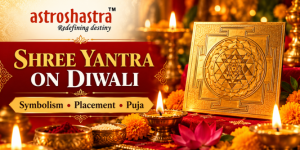
Revered in the Shri Vidya tradition, the Shree Yantra is considered a sacred geometric representation of the cosmic union of divine energies. Many devotees establish or worship a Shree Yantra during Diwali as part of their prayers for a prosperous and spiritually balanced year ahead.
But what makes the Shree Yantra significant during Diwali? Where should it be placed in the home? How is it traditionally worshipped? Understanding its symbolism and traditional practices can help you incorporate this sacred yantra into your Diwali celebrations with devotion and care.
What Is Shree Yantra?
The Shree Yantra, also known as Shri Chakra, is a sacred geometric diagram associated with Goddess Tripura Sundari, a form of the Divine Mother, and the Shri Vidya tradition of Hindu worship.
Its intricate design consists of nine interlocking triangles arranged around a central point known as the Bindu. These triangles are surrounded by lotus petals and geometric enclosures, creating a sacred pattern that represents the universe and the relationship between the individual and the cosmic whole.
In traditional Hindu spiritual practice, the Shree Yantra is associated with prosperity, auspiciousness, spiritual growth, and the harmonious balance of divine energies.
It is commonly worshipped by devotees seeking blessings for material well-being alongside inner peace, wisdom, and spiritual progress.
Why Is Shree Yantra Worship Considered Auspicious on Diwali?
Diwali is traditionally associated with the worship of Goddess Lakshmi, who represents prosperity, good fortune, generosity, and well-being. Many households perform Lakshmi Puja on the main Diwali evening to express gratitude and pray for abundance in the coming year.
The Shree Yantra is particularly relevant to these observances because of its association with divine feminine energy and auspiciousness.
1. A Sacred Symbol Associated with Prosperity
The Shree Yantra is traditionally regarded as a powerful spiritual symbol associated with abundance and auspicious beginnings. Worshipping it during Diwali reflects the devotee's prayer for financial stability, responsible prosperity, and the well-being of the family.
2. A Reminder of Balance and Harmony
The interlocking triangles of the Shree Yantra symbolise the harmonious relationship between complementary divine principles. Its geometry serves as a reminder to seek balance between material ambitions, personal responsibilities, and spiritual values.
3. An Expression of Devotion to the Divine Mother
The Shree Yantra is closely connected with the worship of the Divine Mother in the Shri Vidya tradition. For many devotees, offering prayers before it during Diwali is a way of expressing reverence and seeking divine guidance.
4. An Auspicious Beginning for the Year Ahead
Diwali represents renewal and the beginning of a new cycle of hope. Establishing or worshipping a Shree Yantra on this occasion can become a meaningful annual practice that encourages gratitude, discipline, generosity, and mindful financial decisions.
Important: The Shree Yantra is a sacred object of worship, not a guarantee of wealth or financial success. Its spiritual significance is best understood in the context of sincere devotion, ethical conduct, and responsible action.
Understanding the Symbolism of Shree Yantra
Every major element of the Shree Yantra carries symbolic meaning within traditional Hindu spiritual interpretations.
The Central Bindu
The Bindu is the central point of the Shree Yantra. It represents the source of creation, unity, and the ultimate centre of consciousness. In spiritual contemplation, it can remind devotees to cultivate focus and inner stillness.
The Nine Interlocking Triangles
The Shree Yantra contains four upward-pointing triangles and five downward-pointing triangles. In traditional interpretations, these represent complementary divine principles associated with Shiva and Shakti.
Their interlocking arrangement expresses the interconnectedness of cosmic energies and the unity underlying apparent differences.
The Lotus Petals
The lotus formations surrounding the central triangular structure are associated with purity, spiritual unfolding, and the emergence of beauty and wisdom. The lotus also holds an important place in the symbolism of Goddess Lakshmi.
The Outer Geometric Enclosure
The outer structure represents the sacred boundary surrounding the yantra. In traditional interpretations, it symbolises an ordered spiritual space through which the devotee approaches the inner centre of the yantra.
Together, these elements make the Shree Yantra a sacred representation of cosmic order, divine energy, and the relationship between spiritual aspiration and worldly life.
Where Should You Place Shree Yantra at Home During Diwali?
Choosing a clean and respectful place for the Shree Yantra is an important part of traditional worship. While specific placement practices vary across traditions, the following guidelines can help you prepare a suitable space.
1. Place It in Your Puja Room
A clean home temple or dedicated prayer area is generally the preferred location for a Shree Yantra. Place it on a clean altar or platform where it can be worshipped without disturbance.
If you already have a designated place for Goddess Lakshmi and other sacred objects, you may incorporate the Shree Yantra into that arrangement.
2. Keep the Worship Area Clean and Organised
Before Diwali Puja, clean the altar and remove unnecessary clutter. Place the yantra on a clean cloth or suitable base, taking care not to damage its surface.
A calm and orderly worship space supports a more focused devotional experience.
3. Consider the Direction According to Your Tradition
Many household worship practices favour an east-facing or north-facing arrangement for the devotee or the altar. However, specific directional rules for the Shree Yantra differ among traditions and lineages.
Follow the instructions provided with your yantra or by a knowledgeable priest or traditional practitioner, especially if you are following a particular Shri Vidya ritual.
4. Keep It in a Respectful Location
Avoid placing the Shree Yantra where it is likely to be handled casually, covered by unrelated objects, or exposed to moisture and dirt. If it is a metal yantra, follow the manufacturer's care instructions.
5. Choose a Location You Can Maintain
A sacred object does not need an elaborate display to be meaningful. A simple, clean, and regularly maintained altar is often more practical than a decorative arrangement that is difficult to care for.
Traditional note: There is no single placement rule accepted by every Hindu tradition. Choose a location consistent with your family practice, the type of yantra, and any specific ritual instructions you have received.
How to Worship Shree Yantra on Diwali: A Traditional Guide
Shree Yantra worship can be simple or elaborate depending on the devotee's tradition. The following is a general household devotional approach suitable for those who do not follow a specialised Shri Vidya ritual.
Step 1: Cleanse the Worship Area
Clean the puja room and prepare the altar before beginning. Bathe or wash your hands and feet as appropriate to your household practice, and arrange the puja materials in advance.
Step 2: Place the Shree Yantra Respectfully
Place the Shree Yantra on a clean platform or altar. If you are establishing a new yantra, follow any preparation or consecration instructions supplied by the temple, priest, or trusted traditional source.
Not every yantra requires the same ritual treatment, so avoid assuming that elaborate consecration is necessary for every household object.
Step 3: Light a Diya
Light a diya using the oil or ghee traditionally used in your household. Keep the flame on a stable, heat-resistant surface and away from curtains or other flammable materials.
The light of the diya symbolises the removal of darkness and the welcoming of wisdom, clarity, and auspiciousness.
Step 4: Offer Flowers and Incense
Offer fresh flowers and incense if these are part of your usual worship practice. You may also offer kumkum, sandalwood paste, or other suitable offerings according to the material and care requirements of the yantra.
Avoid applying liquids, powders, or substances directly to delicate or plated yantras unless the instructions permit it.
Step 5: Worship Goddess Lakshmi
Offer prayers to Goddess Lakshmi and express gratitude for the blessings already present in your life. You may recite a Lakshmi prayer, sing a traditional devotional hymn, or observe your family's established Diwali Puja procedure.
If your household performs Lakshmi-Ganesh Puja, continue to follow that established tradition.
Step 6: Chant a Traditional Prayer
Devotees may recite a Lakshmi mantra as part of their worship. A widely used mantra is:
Om Shreem Mahalakshmyai Namah.
This mantra is traditionally addressed to Goddess Mahalakshmi. You may chant it a number of times according to your personal practice, without treating a particular count as compulsory for everyone.
Specialised Shri Vidya mantras and ritual procedures may require instruction from a qualified teacher and should not be assumed to be interchangeable with general household prayers.
Step 7: Meditate and Offer Your Prayers
Spend a few quiet moments in prayer. Ask for wisdom, contentment, prosperity earned through honest effort, harmony within the family, and the ability to use your resources responsibly.
Step 8: Conclude the Puja with Gratitude
Conclude according to your household custom, offer your prayers, and maintain the altar respectfully. If you have established the yantra permanently, continue to care for it as part of your regular worship routine.
Which Shree Yantra Should You Choose for Diwali?
Shree Yantras are available in different materials and forms. The most suitable choice depends on your devotional practice, intended use, budget, and the care required.
Gold-Plated or Gold-Finish Shree Yantra
Gold-finish yantras are often chosen for their traditional association with auspiciousness and their decorative appearance on a festive altar. Check the actual material and finish before purchasing; a gold-coloured finish is not the same as solid gold.
Silver Shree Yantra
Silver yantras are valued by many households for their traditional and devotional appeal. Buyers should confirm the silver purity and product specifications rather than relying on appearance alone.
Copper Shree Yantra
Copper yantras are a common choice for household worship. They can be practical for a dedicated altar, provided they are maintained according to the manufacturer's care instructions.
Engraved or Printed Shree Yantra
Engraved plates and printed representations can also be used for devotional purposes, depending on the tradition followed. Choose a clearly rendered design from a reliable source and check whether the product is intended for worship, meditation, or decorative use.
How to choose: Consider the accuracy of the design, the quality of the material, the intended use, and the care instructions. A more expensive yantra should not be assumed to deliver greater spiritual or financial benefits.
Common Mistakes to Avoid When Worshipping Shree Yantra
A respectful devotional practice does not need to be complicated. Keep these points in mind when preparing for Diwali.
Do not treat the yantra as a guaranteed source of money. Its traditional significance is spiritual, and material outcomes cannot be promised.
Do not follow every online ritual instruction blindly. Practices can vary, especially between general household worship and specialised Shri Vidya traditions.
Do not neglect the altar after Diwali. If you choose to keep the yantra permanently, maintain it respectfully.
Do not assume that expensive materials are essential. Choose a yantra appropriate to your practice and budget.
Do not overlook safety during Puja. Keep diyas stable, supervise open flames, and ensure that incense is used in a ventilated area.
Do not confuse simple worship with specialised initiation-based rituals. Seek qualified guidance if you intend to undertake formal Shri Vidya practices.
Bringing the Spirit of Shree Yantra into Everyday Life
The deeper significance of Shree Yantra worship extends beyond a single festive evening. Diwali can provide an opportunity to reflect on the way we earn, save, spend, give, and care for others.
Alongside traditional worship, you can make the occasion meaningful by keeping your home organised, reviewing financial priorities, expressing gratitude to family members, helping those in need, and beginning the year with clear intentions.
In this way, the Shree Yantra becomes more than a sacred object on an altar. It can serve as a reminder to seek harmony between prosperity and purpose, ambition and contentment, and material well-being and spiritual growth.
Shree Yantra holds an important place in Hindu spiritual traditions, particularly in connection with the worship of the Divine Mother and the symbolism of auspiciousness, harmony, and abundance. During Diwali, devotees may incorporate it into their Lakshmi Puja as an expression of devotion and a prayer for a prosperous and balanced year ahead.
By placing the yantra respectfully, following a suitable household worship routine, and understanding its symbolism, you can make it a meaningful part of your Diwali observances.
Ultimately, the spirit of Diwali lies not only in welcoming prosperity but also in cultivating wisdom, gratitude, generosity, and peace within the home.
Explore the sacred world of yantras and traditional spiritual practices with Astroshastra, and make your Diwali celebrations more meaningful through informed and devotional choices.
Frequently Asked Questions (FAQs)
1. Is it auspicious to bring Shree Yantra home on Diwali?
Many devotees consider Diwali an auspicious occasion to bring home or worship a Shree Yantra because of its association with the Divine Mother, prosperity, and auspicious beginnings. The choice of date and any establishment ritual may vary according to family tradition.
2. Can Shree Yantra be worshipped during Lakshmi Puja?
Yes. Many households include the Shree Yantra in their Lakshmi Puja arrangements. It may be worshipped alongside other sacred objects according to the family's customary procedure.
3. Where should Shree Yantra be kept in the home?
A clean and dedicated puja room or altar is a common choice. Directional recommendations vary, so follow your family tradition or the instructions supplied with the yantra.
4. Which material is best for a Shree Yantra?
Copper, silver, gold-finish, and other forms are available. No single material should automatically be considered best for everyone. Consider the quality of the design, the intended use, your budget, and the relevant care instructions.
5. Which mantra can be chanted during Shree Yantra worship?
A commonly used Lakshmi mantra is “Om Shreem Mahalakshmyai Namah.” Specialised Shri Vidya mantras and procedures may require guidance from a qualified teacher.
6. Can beginners worship Shree Yantra at home?
Beginners can follow a simple devotional practice involving cleanliness, a diya, flowers, prayers to Goddess Lakshmi, and respectful care of the yantra. Formal or initiation-based rituals are a separate matter.
7. Does Shree Yantra guarantee wealth and financial success?
No. Shree Yantra is a sacred spiritual symbol associated with prosperity and auspiciousness, but worship cannot guarantee financial results. Responsible decisions, ethical conduct, and practical effort remain important.
8. Should Shree Yantra be worshipped every day after Diwali?
Daily worship is a personal or tradition-based choice rather than a universal requirement. Devotees who keep the yantra at home may incorporate it into their regular prayer routine according to their beliefs and circumstances.