
Vastu Principles Everyone Should Know for a Happy and Prosperous Home
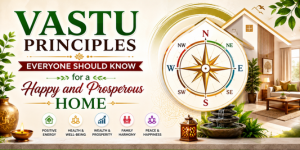
A home designed according to Vastu principles is believed to attract prosperity, happiness, good health, and positive vibrations while reducing stress and negativity.
Whether you are constructing a new house, buying an apartment, or simply rearranging your interiors, understanding these basic Vastu principles can make a significant difference in your life.
1. Keep the Main Entrance Clean and Welcoming
The main entrance is considered the gateway through which energy enters your home.
Vastu Tips
- Keep the entrance clutter-free.
- Ensure the door opens smoothly without making noise.
- Place a bright light near the entrance.
- Decorate the doorway with fresh flowers, rangoli, or auspicious symbols.
- Avoid keeping dustbins or broken items near the entrance.
A positive entrance invites prosperity and good fortune.
2. Importance of Directions
Every direction is ruled by different energies and planetary influences.
| Direction | Best Use |
|---|---|
| North | Wealth and financial growth |
| East | Health, knowledge, and social recognition |
| North-East | Prayer room and meditation |
| South-East | Kitchen (Fire element) |
| South-West | Master bedroom |
| North-West | Guest room |
| West | Dining room or study |
| Center | Keep open and clutter-free |
Proper utilization of directions improves harmony and stability.
3. The Kitchen Should Be in the South-East
The South-East is governed by the Fire element.
Ideal Kitchen Rules
- Cook while facing East.
- Gas stove should be in the South-East.
- Sink should be placed away from the stove.
- Drinking water should preferably be kept in the North-East.
Avoid kitchens in the North-East whenever possible.
4. Master Bedroom Placement
The master bedroom should ideally be located in the South-West.
Benefits include:
- Better relationships
- Mental stability
- Financial security
- Sound sleep
Avoid sleeping with your head towards the North.
The ideal sleeping directions are:
- Head towards South
- Head towards East
5. North-East Should Remain Light
The North-East is considered the most sacred area of the house.
Ideal uses include:
- Temple
- Meditation room
- Study area
- Water fountain
Avoid:
- Toilets
- Heavy furniture
- Storage rooms
- Staircases
A clean North-East attracts spiritual growth and peace.
6. Keep the Center of the House Open
The central portion of the house is known as the Brahmasthan.
Avoid placing:
- Heavy furniture
- Pillars
- Water tanks
- Staircases
An open center allows energy to circulate freely throughout the home.
7. Avoid Clutter
Clutter blocks positive energy.
Regularly remove:
- Broken electronics
- Damaged furniture
- Torn clothes
- Old newspapers
- Expired medicines
- Broken clocks
A clean environment encourages fresh opportunities.
8. Proper Placement of Mirrors
Mirrors should enhance positive energy.
Good locations:
- North wall
- East wall
Avoid:
- Mirrors facing the bed
- Broken mirrors
- Mirrors directly opposite the main entrance
9. Indoor Plants Bring Positive Energy
Certain plants are considered highly auspicious.
Recommended plants:
- Tulsi
- Bamboo
- Money Plant
- Jasmine
- Aloe Vera
Avoid thorny plants such as cactus inside the house.
Healthy plants improve both energy and air quality.
10. Water Elements
Water symbolizes abundance and financial growth.
Ideal locations:
- North
- North-East
Suitable water features include:
- Small fountains
- Aquariums
- Water bowls
Keep water features clean and functional.
11. Proper Lighting
Dark corners accumulate stagnant energy.
Ensure:
- Natural sunlight enters daily.
- Well-lit entrances.
- Bright living room.
- Temple area remains illuminated.
Sunlight naturally purifies the environment.
12. Dining Area
The dining room promotes family bonding.
Vastu Suggestions:
- Prefer East or West direction.
- Family members should ideally face East while eating.
- Keep the dining area neat and cheerful.
Avoid placing the dining table directly under heavy beams.
13. Temple Placement
The prayer room should ideally be in the North-East.
Important rules:
- Face East or North while praying.
- Keep idols clean.
- Avoid placing the temple near toilets.
- Do not keep broken idols.
A peaceful temple enhances spiritual vibrations.
14. Staircase Direction
Ideal staircase locations:
- South
- West
- South-West
Avoid:
- North-East
- Center of the house
A wrongly placed staircase may disturb energy balance.
15. Bathroom Placement
Bathrooms are best placed in:
- West
- North-West
Keep them:
- Clean
- Well-ventilated
- Dry
Always keep bathroom doors closed when not in use.
16. Use Natural Elements
Natural materials promote balance.
Prefer:
- Wood
- Marble
- Stone
- Clay
- Cotton fabrics
Limit excessive use of synthetic materials wherever possible.
17. Colors According to Vastu
Different colors influence different energies.
Recommended shades:
- White – Peace
- Light Yellow – Wisdom
- Green – Growth
- Blue – Calmness
- Cream – Stability
- Light Pink – Harmony
Avoid excessive use of black and dark grey in living spaces.
18. Daily Vastu Habits
Simple habits can maintain positive energy.
- Open windows every morning.
- Light a diya in the temple.
- Burn natural incense.
- Keep the home organized.
- Play soothing devotional music.
- Dispose of broken objects promptly.
Consistency creates a positive atmosphere.
Common Vastu Mistakes
Many people unknowingly reduce positive energy by making these mistakes:
- Blocking the North-East with heavy storage
- Sleeping with the head towards North
- Keeping broken clocks
- Leaking taps
- Cluttered entrance
- Dark hallways
- Dirty kitchen
- Broken mirrors
- Unused junk stored for years
Correcting these small issues can noticeably improve the overall energy of a home.
Benefits of Following Vastu Principles
When implemented thoughtfully, Vastu principles may help create an environment that feels more balanced and harmonious. Many people associate Vastu-compliant homes with:
- Better mental peace
- Improved family harmony
- Enhanced focus and productivity
- Greater financial stability
- Better health and well-being
- Positive atmosphere
- Increased confidence
- Reduced stress
While experiences vary, combining Vastu guidance with cleanliness, good ventilation, natural light, and practical home design often contributes to a more comfortable living space.
Vastu Shastra is not merely about superstition—it is a traditional system that emphasizes harmony between your living space and the natural forces around you. By paying attention to directions, cleanliness, sunlight, ventilation, and the placement of key rooms, you can create a home that supports peace, prosperity, and overall well-being.
You do not need to rebuild your entire house to benefit from Vastu. Even small changes, such as decluttering, improving natural light, placing the temple correctly, or keeping the North-East clean, can help create a more positive environment.
Frequently Asked Questions (FAQs)
Is Vastu necessary for apartments?
Yes. Even in apartments, room usage, furniture placement, colors, and cleanliness can be aligned with basic Vastu principles.
Can Vastu defects be corrected without demolition?
In many cases, yes. Rearranging furniture, improving lighting, decluttering, using appropriate colors, and making practical adjustments can help reduce Vastu imbalances without structural changes.
Which direction is best for sleeping?
Sleeping with your head towards the South or East is traditionally considered most favorable.
Which room should be in the North-East?
The North-East is ideal for a prayer room, meditation area, or study space because it is associated with calmness and spiritual growth.
Does Vastu guarantee success?
Vastu is a traditional practice intended to create a harmonious environment. Success depends on many factors, including effort, planning, health, and circumstances. Vastu should be viewed as a supportive practice rather than a guarantee of specific outcomes.