
Vastu Yantra for Harmony, Positive Energy & Vastu Dosh Nivaran
A Traditional Vedic Yantra for Homes, Offices, Shops, Factories and Commercial Spaces
The Vastu Yantra (वास्तु यंत्र) is a sacred Vedic Yantra dedicated to Vastu Purusha, the divine guardian of space and architecture according to Vastu Shastra.
It is traditionally worshipped to encourage harmony and balance within homes, offices, factories and commercial establishments.
What is Vastu Yantra?
Sacred Yantra for Vastu Harmony
The Vastu Yantra is a sacred geometric diagram prepared according to traditional Vedic principles and associated with the worship of Vastu Purusha.
According to Vastu Shastra, every building interacts with the five natural elements: Earth, Water, Fire, Air and Space.
When these energies are considered imbalanced because of structural limitations or directional considerations, traditional spiritual remedies such as Vastu Yantra may be used as part of a devotional approach.
It is especially relevant where structural alterations may be difficult or impractical, including apartments, rented properties, completed constructions and commercial buildings.
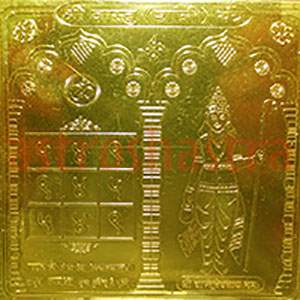
Vastu Yantra
Traditional Vastu Yantra dedicated to Vastu Purusha.
Vastu Yantra Product Specifications
Vastu Shastra and the Five Natural Elements
Traditional Vastu Shastra emphasises harmony between human living spaces and natural energies. The five elements form an important part of this traditional framework.
Earth – Prithvi
Traditionally associated with stability, grounding and the physical foundation of a structure.
Water – Jal
Traditionally associated with flow, nourishment and fluidity.
Fire – Agni
Traditionally associated with energy, transformation and vitality.
Air – Vayu
Traditionally associated with movement, circulation and dynamic energy.
Space – Akash
Traditionally associated with openness, expansion and the space within a structure.
Vastu Yantra in Vastu Shastra
Vastu Shastra is the ancient Indian science of architecture that traditionally seeks harmony between human life and natural energies.
It emphasises orientation, directional balance and the interaction of the five elements within a structure.
Vastu Yantra is therefore traditionally worshipped as a spiritual support for encouraging balance and harmony within the property.
Traditional Benefits of Vastu Yantra
According to traditional Vastu and Vedic beliefs, regular worship of Vastu Yantra is associated with several spiritual intentions.
Vastu Harmony
Traditionally worshipped to encourage balanced energy throughout a property.
Positive Environment
Associated with creating a peaceful, spiritually uplifting and harmonious atmosphere.
Prosperity
Devotees traditionally pray for prosperity, business growth and overall well-being.
Family Harmony
Traditionally associated with prayers for peace, understanding and positive relationships.
Homes & Businesses
Suitable for traditional spiritual practice in residences, offices, factories, shops and commercial establishments.
Spiritual Protection
Many devotees worship the Yantra while praying for protection from negative influences and obstacles.
Vastu Dosh Nivaran Yantra

Vastu Dosh Nivaran Yantra
The Vastu Dosh Nivaran Yantra is traditionally worshipped for properties believed to have significant Vastu imbalances.
According to traditional Vastu Shastra, it may be used as a spiritual remedy where reconstruction or structural modification is not practical.
- Supports traditional spiritual practices for Vastu balance.
- Encourages positive energy within the property.
- Used in prayers for harmony, prosperity and stability.
- Suitable for homes, offices and commercial spaces.
Other Important Vastu Yantras
Krityanashak Vastu Yantra
The Krityanashak Vastu Yantra is traditionally worshipped for creating a spiritually positive environment and balancing subtle energies within a property.
Devotees seek its blessings for peace, stability and harmonious living.
Vastu Purush Yantra
The Vastu Purush Yantra represents Vastu Purusha, the cosmic guardian of space and directions.
It is traditionally installed during new construction or in existing buildings while praying for harmony, stability and positive energy.
Who Can Install Vastu Yantra?
House Owners
For traditional spiritual practices within residential spaces.
Office Owners
For offices and professional environments seeking traditional Vastu harmony.
Shop & Factory Owners
Suitable for traditional Vastu-oriented spiritual practice in commercial spaces.
Builders & Institutions
The source also includes builders, architects, educational institutions and commercial establishments.
Where Should Vastu Yantra Be Installed?
According to the traditional Vastu practices described on this page, the Yantra may be respectfully installed in the following locations depending on the individual property and requirement.
North-East – Ishan Corner
The North-East is traditionally considered an important direction in Vastu practice.
Brahmasthan
The central area of a building may be considered for placement according to traditional Vastu requirements.
Main Entrance
The main entrance is another traditional location mentioned for Vastu Yantra installation.
Puja Room
A clean Puja room provides a dedicated space for regular devotional worship.
Office Reception
The source lists office reception among the possible traditional placement areas.
Commercial Premises
It may also be respectfully installed in suitable commercial spaces.
How to Worship Vastu Yantra
The following sequence follows the traditional worship guidance present in the existing page.
Purify the Yantra
Purify the Yantra with Gangajal or clean water before installation.
Prepare the Worship Space
Place the Yantra respectfully on a clean yellow or red cloth.
Offer Traditional Items
Offer flowers, sandalwood paste, incense and a ghee lamp.
Pray to Vastu Purusha
Offer prayers for harmony, stability, positive energy and well-being within the property.
Chant the Vastu Mantra
Recite the traditional Vastu Purusha mantra with concentration and devotion.
Recommended Vastu Yantra Worship Materials
Traditional Flowers
The existing page recommends Marigold, Lotus or Yellow Flowers for worship.
Puja Offerings
Kumkum, sandalwood paste, rice, fruits, incense and a ghee lamp are listed as traditional offerings.
Traditional Occasions
The page mentions Monday, Thursday, Akshaya Tritiya, Griha Pravesh, Navratri and Diwali.
Vastu Mantra
Many devotees chant this mantra 21 or 108 times while worshipping the Yantra according to family tradition or the guidance of a qualified Guru.
Energized Vastu Yantra
Each Vastu Yantra may be spiritually energized through traditional Vedic rituals and mantra chanting before being offered for regular worship.
Energization is regarded as a sacred process that prepares the Yantra for regular worship and meditation.
When worshipped with devotion and sincerity, the Vastu Yantra becomes a sacred symbol associated with harmony, positivity, prosperity and the blessings of Vastu Purusha.
Related Vastu & Spiritual Products
Vastu Dosh Nivaran Yantra
Traditionally associated with spiritual practices for Vastu imbalances.
Explore YantraKrityanashak Vastu Yantra
Traditionally worshipped for a spiritually positive and harmonious environment.
Explore YantraVastu Purush Yantra
Represents Vastu Purusha, the traditional cosmic guardian of space and directions.
Explore YantraShree Yantra
A prominent sacred Yantra traditionally associated with prosperity and spiritual practice.
Explore YantraKuber Yantra
Traditionally associated with wealth and prosperity-oriented devotional practice.
Explore YantraFrequently Asked Questions About Vastu Yantra
What is Vastu Yantra?
Vastu Yantra is a sacred Vedic Yantra dedicated to Vastu Purusha and traditionally worshipped to encourage balanced and harmonious energy within a property.
Who should install Vastu Yantra?
The source states that house owners, apartment residents, office owners, shopkeepers, factory owners, builders, architects, educational institutions, hotels and commercial establishments may install the Yantra.
Where should Vastu Yantra be placed?
The traditional locations listed on the page include the North-East corner, Brahmasthan, Puja room, main entrance, office reception and commercial premises.
Can Vastu Yantra replace structural Vastu corrections?
According to the page's traditional framing, the Yantra is a spiritual remedy and should complement practical architectural improvements wherever possible.
Which mantra is chanted for Vastu Yantra?
The commonly recited mantra given on the page is ॐ वास्तु पुरुषाय नमः॥
How many times should the Vastu mantra be chanted?
The existing page states that many devotees chant the mantra 21 or 108 times according to family tradition or the guidance of a qualified Guru.
Can Vastu Yantra be used in an apartment?
Yes. The existing page specifically discusses Vastu Yantra as a traditional spiritual option for apartments and completed properties where structural changes may not be practical.
What does Vastu Purush Yantra represent?
Vastu Purush Yantra represents Vastu Purusha, the traditional cosmic guardian of space and directions.
वास्तु यंत्र
वास्तु यंत्र वास्तु पुरुष को समर्पित एक पवित्र वैदिक यंत्र है। पारंपरिक वास्तु शास्त्र के अनुसार इसे घर, कार्यालय, दुकान एवं अन्य भवनों में सकारात्मक ऊर्जा, संतुलन, समृद्धि तथा शांति की प्रार्थना हेतु स्थापित किया जाता है।
श्रद्धापूर्वक इसकी पूजा करने से वास्तु दोषों के आध्यात्मिक निवारण, पारिवारिक सुख, व्यवसायिक उन्नति तथा सकारात्मक वातावरण की कामना की जाती है।
वास्तु यंत्र की स्थापना
परंपरागत रूप से इसे उत्तर-पूर्व दिशा, ब्रह्मस्थान, मुख्य द्वार या पूजा कक्ष में आवश्यकता के अनुसार स्थापित किया जा सकता है। स्थापना से पहले यंत्र को स्वच्छ जल या गंगाजल से शुद्ध करके लाल या पीले वस्त्र पर रखना और पुष्प, चंदन, धूप तथा दीप अर्पित करना बताया गया है।