
Balarama Jayanti – Significance, Story, Puja Vidhi, Mantra & Spiritual
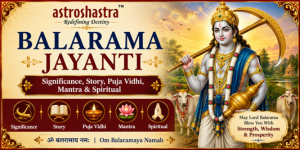
Revered as Balram, Baladeva, Sankarshana, Haladhara and Haldhar, Lord Balarama occupies an important place in the Vaishnava tradition and in the stories surrounding the childhood and divine pastimes of Lord Krishna.
Known for his extraordinary strength, simplicity, courage and devotion to dharma, Lord Balarama is traditionally depicted carrying a plough (hala) and a mace. His association with agriculture, physical strength, protection and righteous action gives his worship a distinctive spiritual significance.
Astroshastra also discusses the traditional observance associated with Balarama as Hala Shasthi or Balarama Shasthi, including its significance, rituals and vrat traditions.
Who is Lord Balarama?
Lord Balarama is regarded as the elder brother and constant companion of Lord Krishna. He is also known by several names, including:
- Balram
- Baladeva
- Sankarshana
- Haladhara
- Haldhar
- Rauhineya
- Musali
The Brahma Vaivarta Purana material available on Astroshastra also lists several traditional names of Balarama, including Sankarshana, Baldev, Rauhineya, Hali, Revati Raman, Haldhar, Anant and Musali.
Lord Balarama represents strength guided by righteousness. His plough is not merely a weapon but also symbolizes agriculture, cultivation, nourishment and the ability to prepare the ground for growth.
What is Balarama Jayanti?
Balarama Jayanti commemorates the divine appearance or birth of Lord Balarama. The observance is particularly associated with devotees of Lord Krishna and the Vaishnava tradition.
The festival provides devotees with an opportunity to remember Balarama's divine qualities, offer prayers and reflect upon the importance of strength, discipline, courage and dharma.
In different regions and traditions, Balarama-related observances may be connected with Hala Shasthi or Balarama Shasthi. The exact observance and customs can differ according to regional and family traditions. Astroshastra's Hala Shasthi article describes the festival as also being known as Balarama Shasthi and highlights the association of Balarama with the plough and agriculture.
Significance of Balarama Jayanti
Balarama Jayanti is more than a celebration of the birth of a divine personality. It represents several important spiritual values.
1. Symbol of Strength
Lord Balarama represents physical and spiritual strength. His strength is traditionally understood as being used for protection, righteousness and the welfare of others.
2. Strength with Discipline
Balarama's character reminds devotees that strength becomes meaningful when it is controlled by wisdom and dharma.
3. Connection with Agriculture
The plough carried by Lord Balarama represents cultivation and agriculture. It symbolically reminds us that just as the earth must be cultivated for crops to grow, the mind must also be cultivated through discipline and spiritual practice.
4. Protection of Dharma
Lord Balarama is traditionally associated with protection, courage and righteous action.
5. Devotion to Lord Krishna
Balarama's relationship with Lord Krishna represents a profound spiritual bond between the two divine brothers. His presence is an important part of Krishna's childhood and Vrindavan pastimes.
For a deeper understanding of Krishna's divine traditions, you can also explore Astroshastra's article on Krishna Janmashtami.
Story and Birth of Lord Balarama
According to Hindu traditions, Lord Balarama was born to Vasudeva and Rohini. He is closely connected with the divine story of Lord Krishna and the Yadu dynasty.
Traditional accounts describe Balarama as the elder brother of Krishna and a powerful protector. His childhood was spent in the pastoral environment of Gokul and Vrindavan, where he participated in many divine pastimes along with Krishna.
Balarama's extraordinary strength and courage are recurring themes in these stories. He is often portrayed as Krishna's trusted companion who assists him in protecting the people of Vrindavan and confronting various dangers.
The broader stories surrounding Krishna and Balarama can also be explored through Astroshastra's resources on the Brahma Vaivarta Purana and Krishna Janma Khanda.
Why Does Lord Balarama Carry a Plough?
The plough, or hala, is one of the most recognizable symbols associated with Lord Balarama.
It represents:
- Agriculture and cultivation
- Physical strength
- Nourishment
- Hard work
- Discipline
- Transformation
- Protection of society
The symbolism is particularly meaningful because agriculture sustains life. The plough also represents the spiritual idea that the inner field of the mind must be cultivated through knowledge, discipline and devotion.
This is one reason Balarama is traditionally associated with the name Haladhara, meaning the one who carries the plough.
Balarama Jayanti Puja Vidhi
The exact method of worship may vary according to regional and family traditions. A simple devotional observance may include the following:
Step 1 – Purification
Take a bath and wear clean clothes before beginning the worship.
Step 2 – Prepare the Puja Area
Clean the worship area and place an image or idol of Lord Balarama respectfully.
Step 3 – Light a Diya
Light a ghee or oil lamp and incense while remembering Lord Balarama.
Step 4 – Offer Flowers
Offer fresh flowers with devotion.
Step 5 – Offer Naivedya
Traditional offerings may include fruits, milk products, sweets and other vegetarian preparations according to family tradition.
Step 6 – Recite Mantras
Chant a suitable Balarama mantra or remember the names of Lord Balarama.
Step 7 – Read or Listen to His Stories
Devotees may read traditional accounts of Balarama's life and divine pastimes.
Step 8 – Perform Aarti
Conclude the worship with Balarama Aarti or devotional prayers.
Balarama Mantra
A simple devotional mantra associated with Lord Balarama is:
Om Balaramaya Namah
Devotees may recite the mantra with concentration and devotion.
Those interested in traditional mantra practices can explore the Astroshastra Mantra section.
Balarama Jayanti Fasting
Some devotees observe a vrat or fasting practice on the occasion associated with Lord Balarama. However, fasting rules can differ significantly according to region, sampradaya and family tradition.
The purpose of the vrat is traditionally understood as spiritual discipline rather than simply abstaining from food.
Devotees may spend the day in:
- Prayer
- Meditation
- Mantra chanting
- Reading scriptures
- Listening to devotional stories
- Charity
- Sattvic living
Anyone with dietary or medical restrictions should follow appropriate personal guidance rather than undertaking a strict fast.
Balarama Jayanti and Hala Shasthi
One of the most important connections associated with Balarama is Hala Shasthi, also called Balarama Shasthi in traditional usage.
Hala Shasthi is associated with Lord Balarama because of his connection with the plough. Astroshastra's existing article explains that the festival is observed on Krishna Paksha Shasthi of Bhadrapada and highlights Balarama's association with agriculture and strength.
You can read the detailed Astroshastra guide on Hala Shasthi – Significance, Rituals & Vrat Katha.
Spiritual Lessons from Lord Balarama
The life and symbolism of Lord Balarama provide several important spiritual lessons.
Strength should protect, not intimidate
True strength is meaningful when it is used for protection and righteousness.
Discipline creates stability
Physical and mental strength require discipline and control.
Hard work produces growth
The plough symbolizes the effort required to cultivate the earth and, symbolically, one's own life.
Dharma requires courage
Following the right path often requires courage and determination.
Spirituality requires balance
Balarama's personality combines physical strength with devotion and responsibility.
Balarama Jayanti and Lord Krishna
Balarama and Krishna are inseparable figures in Vaishnava traditions. Their childhood pastimes in Gokul and Vrindavan form an important part of devotional literature.
While Krishna is celebrated for his divine wisdom, compassion and leelas, Balarama is particularly remembered for strength, protection and steadfastness.
Astroshastra's Krishna Janmashtami article provides additional information about Lord Krishna's birth, childhood traditions and devotional celebrations.
Balarama Jayanti and Spiritual Growth
Balarama Jayanti can be viewed as an opportunity to reflect on the meaning of inner strength.
In everyday life, strength does not necessarily mean physical power. It can also mean:
- Strength to remain truthful
- Strength to control anger
- Strength to overcome difficulties
- Strength to follow dharma
- Strength to support one's family
- Strength to remain disciplined
- Strength to continue spiritual practice
In this sense, remembering Lord Balarama becomes a reminder to develop both outer strength and inner stability.
How to Celebrate Balarama Jayanti at Home
A simple home observance can include:
- Clean the puja area.
- Place an image or idol of Lord Balarama.
- Light a diya and incense.
- Offer flowers and fruits.
- Chant Om Balaramaya Namah.
- Read or listen to stories of Lord Balarama.
- Offer sattvic food as prasad.
- Donate food or perform an act of charity.
- Conclude the worship with prayers and Aarti.
The emphasis should remain on devotion, purity of intention and spiritual reflection rather than elaborate arrangements.
Balarama Jayanti and Vedic Spiritual Traditions
Balarama Jayanti forms part of a larger Hindu tradition in which festivals, Tithis, vrat and devotional observances are connected with the lunar calendar.
To understand Hindu festivals and auspicious observances more systematically, explore the Astroshastra Panchang.
You can also explore Indian Astrology to learn more about Vedic astrology and traditional Jyotish principles.
Frequently Asked Questions About Balarama Jayanti
1. Who is Lord Balarama?
Lord Balarama is traditionally revered as the elder brother of Lord Krishna. He is associated with strength, protection, agriculture, discipline and dharma.
2. What is Balarama Jayanti?
Balarama Jayanti is an observance commemorating the divine appearance or birth of Lord Balarama and is celebrated with devotion by followers of Krishna and Vaishnava traditions.
3. Why does Balarama carry a plough?
The plough symbolizes agriculture, cultivation, nourishment, strength and transformation. It is one of the principal attributes associated with Lord Balarama.
4. What is Balarama also called?
Lord Balarama is also known as Baladeva, Balram, Sankarshana, Haladhara, Haldhar, Rauhineya and other traditional names. Astroshastra's Brahma Vaivarta Purana material includes several of these names.
5. What mantra can be chanted for Lord Balarama?
A simple devotional mantra is:
Om Balaramaya Namah
It may be recited with faith and concentration.
6. Is Balarama Jayanti connected with Hala Shasthi?
Balarama is strongly associated with Hala Shasthi, also called Balarama Shasthi in traditional usage. The association comes particularly from his plough, or hala.
7. Can Balarama Jayanti be celebrated at home?
Yes. Devotees can perform simple home worship with an image or idol of Lord Balarama, flowers, fruits, prayers, mantra chanting and devotional reading.
8. What are the spiritual benefits of worshipping Lord Balarama?
Devotees traditionally associate Balarama worship with strength, courage, discipline, protection, devotion and the ability to follow the path of dharma.
Balarama Jayanti is a beautiful occasion to remember Lord Balarama and the values he represents — strength, discipline, courage, protection, devotion and righteousness.
His plough reminds us that just as the earth must be cultivated to produce a good harvest, our minds and lives must also be cultivated through discipline, knowledge and spiritual practice.
On this sacred occasion, devotees can remember Lord Balarama with sincere prayer, chant his name, perform simple puja, read about his divine pastimes and cultivate the inner strength needed to walk the path of dharma.
May the blessings of Lord Balarama bring strength, stability, courage and spiritual wisdom into your life.