








Raksha Bandhan – History, Significance, Rituals, Rakhi & Spiritual Meaning
Learn about Raksha Bandhan, its history, spiritual significance, Rakhi traditions, Puja Vidhi, rituals, mythology, broth...
Read More
History of Aloe Vera
Aloe Vera, often referred to as the “plant of immortality,” has a rich history that spans thousands of years. Known for its thick, fleshy leaves filled with soothing gel, Aloe Vera has been used in various cultures for medicinal, cosmetic, and spiritual purposes. From ancient Egypt to modern laboratories, this remarkable plant’s journey is a testament to its enduring value to humanity.
Origins of Aloe Vera
The origins of Aloe Vera are believed to trace back to the Arabian Peninsula, North Africa, and possibly the Canary Islands. Botanists suggest that Aloe Vera belongs to the lily family, related to garlic and onions. Over time, trade routes, exploration, and cultural exchanges carried the plant to various parts of the world.
Historically, Aloe Vera thrived in arid and semi-arid climates, making it a common sight in desert and coastal regions. Its natural resilience allowed it to survive in harsh conditions, which made it valuable to ancient civilizations that relied on plants with healing properties. Early botanical records suggest that Aloe Vera was cultivated in Egypt and Mesopotamia as far back as 6,000 years ago.
Aloe Vera in Ancient Civilizations
1. Ancient Egypt – The “Plant of Immortality”
In ancient Egypt, Aloe Vera was revered as a sacred plant. The Egyptians called it the “plant of immortality” and included it in burial rituals. Historical accounts reveal that Aloe Vera gel was used by queens like Cleopatra and Nefertiti for skincare and beauty enhancement. It was believed to maintain youthful skin, protect from the harsh desert sun, and promote overall health.
The Egyptians also used Aloe Vera in embalming due to its antibacterial and preservative qualities. Papyrus records dating to around 1550 BCE detail its uses for treating burns, wounds, and skin irritations.
2. Mesopotamia
In ancient Mesopotamia, Aloe Vera was used as a natural remedy for digestive issues, wounds, and infections. Clay tablets dating back to 2100 BCE describe Aloe-based preparations for internal and external use. Its reputation as a healing plant spread quickly through Sumerian and Babylonian cultures.
3. India and Ayurveda
In India, Aloe Vera is known as “Kumari” in Sanskrit, meaning “young maiden,” symbolizing its rejuvenating qualities. Aloe has been an integral part of Ayurveda, the traditional system of medicine, for centuries. Ayurvedic texts describe its benefits for improving digestion, detoxifying the body, promoting clear skin, and supporting reproductive health.
In Ayurveda, Aloe Vera is categorized as a “Rasayana,” meaning it promotes overall wellness and longevity. It was prescribed for balancing the body’s three doshas—Vata, Pitta, and Kapha.
4. China
Ancient Chinese medicine recognized Aloe Vera as a “cooling” herb, often used to treat fungal diseases, burns, and skin infections. During the reign of the Ming Dynasty (1368–1644), herbalists recorded Aloe’s use in treating digestive problems, reducing inflammation, and detoxifying the body.
5. Greece and Rome
Greek physicians like Dioscorides and Roman scholars documented Aloe Vera’s healing abilities extensively. Dioscorides, a physician in the Roman army in the first century CE, described Aloe as a remedy for wounds, stomach ailments, constipation, and skin conditions in his medical text De Materia Medica. Roman physicians also used Aloe to treat soldiers’ wounds on the battlefield.
Aloe Vera in Traditional Medicine
Throughout history, Aloe Vera maintained its place in various systems of traditional medicine:
Egyptian Medicine: Skin care, wound healing, embalming.
Ayurveda (India): Digestive aid, menstrual regulation, detoxification, and skin disorders.
Traditional Chinese Medicine: Cooling herb for fever, skin problems, and liver health.
Greco-Roman Medicine: Wound dressing, anti-inflammatory applications, and laxative preparations.
Trade across Africa, Asia, and Europe ensured Aloe Vera’s widespread adoption. Arab traders carried Aloe Vera plants on ships, using them both as a healing resource and as a trade commodity. The plant spread to the Mediterranean and later to the Americas after European exploration.
Aloe Vera in the Middle Ages
During the Middle Ages, Aloe Vera continued to be valued across continents. In Europe, it was cultivated in monastery gardens for medicinal use. Monks prepared Aloe extracts for treating burns, wounds, and skin diseases. Its use in the Arab world expanded through Persian and Islamic medical texts, which blended Greco-Roman knowledge with regional herbal traditions.
Introduction to the Americas
When Spanish conquistadors traveled to the New World, they brought Aloe Vera with them. Native populations in South America quickly recognized its healing benefits and integrated it into their herbal medicine practices. By the 16th century, Aloe Vera was growing across the Caribbean, Mexico, and South America.
Modern Recognition of Aloe Vera Benefits
By the 20th century, scientific research began validating many traditional uses of Aloe Vera. Studies revealed that Aloe Vera gel contains vitamins (A, C, E, and B12), minerals (calcium, magnesium, zinc), amino acids, and bioactive compounds like aloin and acemannan. These components are responsible for Aloe’s:
Anti-inflammatory effects
Antibacterial and antifungal properties
Skin regeneration support
Immune-boosting potential
Aloe Vera became a popular ingredient in skincare, cosmetics, pharmaceuticals, and health supplements. Today, it is widely available in various forms—fresh gel, juices, capsules, creams, and ointments.
Aloe Vera in Spiritual and Cultural Practices
In addition to its medicinal value, Aloe Vera holds cultural significance. In some African and Caribbean traditions, Aloe Vera is planted near homes to ward off evil spirits. In Feng Shui, Aloe plants are believed to bring positive energy and harmony. Its symbolism of healing, protection, and vitality continues to resonate across cultures.
Explore Vedic Astrology, Numerology, Vastu, Panchang, Nakshatras, Ayurveda, Mantras and Spiritual Wisdom.
Personalized astrology consultations, predictions and remedies prepared by experienced Vedic astrologers.
Explore hand-picked articles related to this topic to deepen your astrological knowledge.
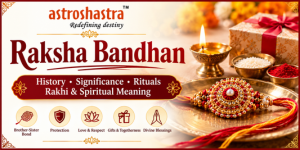
Learn about Raksha Bandhan, its history, spiritual significance, Rakhi traditions, Puja Vidhi, rituals, mythology, broth...
Read More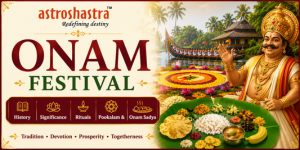
Learn about Onam Festival, its history and legend of King Mahabali, Vamana Avatar, Pookalam, Onam Sadya, Vallam Kali, ri...
Read More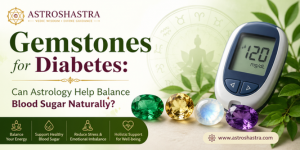
Discover the best gemstones for diabetes according to Vedic astrology. Learn how gemstones like Emerald, Yellow Sapphire...
Read More
Discover the significance of Anant Chaturdashi, its Vrat and Puja Vidhi, Anant Sutra tradition, Lord Vishnu Mantra, ritu...
Read More
Discover the connection between your Nakshatra and lucky numbers in Vedic Astrology. Learn how Nakshatra lords, planetar...
Read More
Learn how to choose an auspicious Business Opening Muhurat using Tithi, Nakshatra, Lagna, Panchang, planetary positions,...
Read More