Teej Festival – A Celebration of Devotion and Prosperity
Teej Festival – A Celebration of Devotion and Prosperity
India is known for its vibrant festivals, and among them, Teej holds a special place in the hearts of women. Celebrated with deep devotion, colorful rituals, and joyful gatherings, Teej marks the union of Goddess Parvati with Lord Shiva. It is a festival dedicated to love, marital bliss, and prosperity, observed with great enthusiasm in states like Rajasthan, Uttar Pradesh, Madhya Pradesh, Bihar, and Nepal.
Significance of Teej Festival
The word “Teej” literally means the third day and refers to the third day after the new moon or full moon. The festival is deeply symbolic of a woman’s devotion, sacrifice, and prayers for the well-being of her husband and family. According to legend, Goddess Parvati performed intense penance to be united with Lord Shiva. Her unwavering determination finally bore fruit, and the divine couple was united, setting an example of eternal love and togetherness.
Thus, Teej is observed as a time when women pray for the health, long life, and happiness of their husbands while unmarried girls seek a good life partner.
Different Types of Teej
Teej is celebrated in different forms across regions:
Hariyali Teej – Celebrated during the monsoon season, it is marked by greenery, swings, and women dressing in bright green attire.
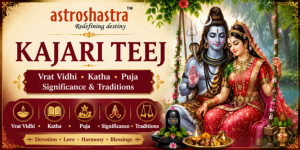
Kajari Teej – Observed in the month of Bhadrapada, this Teej is associated with folk songs and prayers to Lord Shiva and Goddess Parvati.
Hartalika Teej – The most significant form, where women observe strict fasts and perform rituals to honor Goddess Parvati’s penance.
Each Teej festival is unique in its customs but shares the central theme of devotion, love, and prosperity.
Rituals and Traditions of Teej
Women observing Teej follow rituals with utmost devotion. Many observe Nirjala Vrat (fast without food or water) to pray for their husband’s well-being. Temples of Lord Shiva and Goddess Parvati are decorated, and special prayers are offered. Women adorn themselves in traditional attire, jewelry, and apply mehendi (henna), symbolizing beauty and good fortune.
Songs, dances, and swings tied to trees are common sights during Teej, as women celebrate the arrival of monsoon and the joy of sisterhood. Married women often visit their maternal homes and exchange gifts, sweets, and clothes with family members, strengthening social bonds.
Cultural and Social Importance of Teej
Beyond its religious significance, Teej plays a vital role in bringing women together. It gives them an opportunity to express joy, share experiences, and strengthen their emotional and cultural ties. Folk songs, traditional cuisines, and festive markets create an atmosphere of celebration and harmony.
Teej also highlights the values of devotion, sacrifice, and love, reminding families of the importance of togetherness and faith in relationships.