
Importance of Child Birth Muhurat | Auspicious Birth Time in Vedic Astrology
Discover the importance of Child Birth Muhurat in Vedic astrology. Learn how Tithi, Nakshatra, Lagna, Panchang and planetary ...
Read MoreThe Navagraha tradition provides one of the clearest meeting points between Jyotisha and Indian classical music. In the famous Navagraha Kriti repertoire, each graha is addressed through a dedicated composition with a defined raga and tala. This makes the subject much more substantial than a simple list of “planetary songs”: it allows us to examine melody, rhythm, devotional text, imagery and astrological symbolism together.
A graha does not “own” a raga in one universally accepted musical system. Instead, a composition can connect a graha with a particular raga through its text, musical setting and devotional purpose. The most useful starting point is therefore the Navagraha Kriti cycle associated with Muthuswami Dikshitar and the wider Carnatic tradition.
The first seven compositions are especially notable because their talas follow the seven Suladi Sapta Tala sequence. The commonly circulated Rahu and Ketu pieces complete the nine-graha cycle; their authorship has been discussed by scholars and musicologists, so Astroshastra identifies that nuance rather than presenting it as completely settled.
Raga–planet relationships are presented here as traditional interpretive material, not as a single universally standardized system. Raga identity belongs to the musical tradition itself; astrological symbolism is an additional interpretive layer. Film songs may adapt a raga and therefore may not follow its full concert grammar.
| Graha | Raga | Kriti | Tala | Musical focus |
|---|---|---|---|---|
| Sun | Saurashtra | Suryamurthe Namostute | Chatusra Dhruva | solar identity, vitality, authority |
| Moon | Asaveri | Chandram Bhaja Manasa | Chatusra Matya | mind, receptivity, emotional colour |
| Mars | Surati | Angarakamasrayamyaham | Rupaka | energy, courage, forceful articulation |
| Mercury | Nattakurinji | Budhamashrayami | Misra Jhampa | speech, intelligence, musical communication |
| Jupiter | Atana | Brihaspate Tarapate | Tisra Triputa | guru, learning, knowledge and tradition |
| Venus | Paraju / Paras | Sri Sukra Bhagavantam | Khanda Ata | beauty, refinement, art and pleasure |
| Saturn | Yadukulakambhoji | Divakara Tanujam | Chatusra Eka | discipline, patience and sustained practice |
| Rahu | Ramapriya / Ramamanohari | Smaramyaham Sada Rahum | Rupaka | unconventionality, intensity and experimentation |
| Ketu | Shanmukhapriya / Chamaram | Mahasuram Ketumaham | Rupaka | detachment, inwardness and spiritual symbolism |
Composition: Suryamurthe Namostute. Tala: Chatusra Dhruva.
solar identity, vitality, authority. Listen first for the raga as music; then consider how its devotional text and graha symbolism are brought together.
Composition: Chandram Bhaja Manasa. Tala: Chatusra Matya.
mind, receptivity, emotional colour. Listen first for the raga as music; then consider how its devotional text and graha symbolism are brought together.
Composition: Angarakamasrayamyaham. Tala: Rupaka.
energy, courage, forceful articulation. Listen first for the raga as music; then consider how its devotional text and graha symbolism are brought together.
Composition: Budhamashrayami. Tala: Misra Jhampa.
speech, intelligence, musical communication. Listen first for the raga as music; then consider how its devotional text and graha symbolism are brought together.
Composition: Brihaspate Tarapate. Tala: Tisra Triputa.
guru, learning, knowledge and tradition. Listen first for the raga as music; then consider how its devotional text and graha symbolism are brought together.
Composition: Sri Sukra Bhagavantam. Tala: Khanda Ata.
beauty, refinement, art and pleasure. Listen first for the raga as music; then consider how its devotional text and graha symbolism are brought together.
Composition: Divakara Tanujam. Tala: Chatusra Eka.
discipline, patience and sustained practice. Listen first for the raga as music; then consider how its devotional text and graha symbolism are brought together.
Composition: Smaramyaham Sada Rahum. Tala: Rupaka.
unconventionality, intensity and experimentation. Listen first for the raga as music; then consider how its devotional text and graha symbolism are brought together.
Composition: Mahasuram Ketumaham. Tala: Rupaka.
detachment, inwardness and spiritual symbolism. Listen first for the raga as music; then consider how its devotional text and graha symbolism are brought together.
Listen in three passes. First hear the raga without trying to interpret it astrologically. Second notice the tala, tempo, repeated phrases and vocal or instrumental treatment. Third read the Sanskrit text and identify the attributes of the graha being praised. This method prevents the astrology from becoming a vague mood label and keeps the musical structure visible.
For a deeper study, compare a concert rendering with a lesson or notation source. The same raga can sound very different depending on bani, school, performer, tempo and improvisational choices.
Hindi cinema provides another useful bridge between classical music and popular listening. A film composition may borrow a raga, a phrase, a mood or only a few characteristic movements. Therefore a film song should be labelled “raga-based” or “raga-inspired” when the complete classical grammar is not present.
The Malhar family is a particularly rich example. Bole Re Papihara from Guddi is widely identified with Miyan Ki Malhar, while other rain songs draw on different Malhar-family materials. This is a good case study in how a raga can carry seasonal imagery into popular music.
Once the musical side is established, a horoscope can be examined through the relevant graha, its sign and house placement, dignity, conjunctions, aspects, Nakshatra, and planetary periods. The artistic question should also be defined: vocalist, instrumentalist, composer, teacher, performer, devotional singer or listener. A single raga cannot by itself establish musical talent or career outcomes.
No. They vary between traditions, schools, lineages and sources. Astroshastra presents them as traditional interpretive associations.
Not necessarily. Film composers may simplify, combine or adapt raga phrases for melody, lyrics, rhythm and cinematic expression.
Yes. In fact, learning the raga, its aroha–avaroha, pakad, vadi–samvadi where applicable, tala, time and repertoire provides the musical foundation before adding an astrological interpretation.
Music can be studied as a rich artistic tradition while a horoscope provides a separate Jyotisha framework. For a personalized interpretation, consider the complete birth chart rather than one isolated planet or raga.
Horoscope Consultation
Discover the importance of Child Birth Muhurat in Vedic astrology. Learn how Tithi, Nakshatra, Lagna, Panchang and planetary ...
Read More
Can astrology really predict lottery wins? Discover what Vedic astrology says about sudden wealth, lottery luck, planetary co...
Read More
Learn how donation (Daan) helps reduce the effects of Pitra Dosha according to Vedic astrology. Discover the importance of ch...
Read More
Discover how Astrology and Ayurveda work together to promote holistic health. Learn about planetary influences, doshas, Rudra...
Read More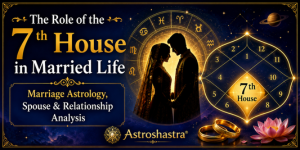
Discover the role of the 7th House in married life according to Vedic astrology. Learn how the 7th House, its lord, planets, ...
Read More
Discover the symptoms, causes and effective Vedic remedies for Pitra Dosha. Learn how ancestral karma affects your life and w...
Read More