
How Your Nakshatra Influences Your Luck and Fortune | Vedic Astrology
Discover how your birth Nakshatra influences luck, fortune, career, wealth, relationships and opportunities. Learn the role o...
Read MoreExplore sigils across historical esoteric traditions, including planetary seals, numerical magic squares, astrological glyphs and the modern practice of intention-based or manifestation sigilization.
A sigil is generally a deliberately designed symbolic mark. Its meaning depends on the tradition, historical period and purpose in which it is created or used.
Historical Western esoteric systems used symbolic characters for planets, spirits, names, intentions and ritual purposes. Renaissance occult literature also connected planetary symbolism with numbers, metals, timing and talismanic diagrams.
Sigils therefore belong to a much broader symbolic history than the contemporary idea of a “manifestation sigil.”
A modern intention sigil is generally a symbol created from a person's own statement of desire, goal or intended state. The modern Western development of this approach is strongly associated with artist and occultist Austin Osman Spare, especially his work The Book of Pleasure, first published privately in 1913.
Later practitioners developed and adapted sigilization in different directions, including Chaos Magic.
Similar-looking words can refer to very different historical practices.
Modern sigilization turns a clearly defined intention into an abstract visual form. Practitioners may understand this as an esoteric practice, a psychological focusing exercise, a symbolic ritual, or a combination of these interpretations.
Unlike an established planetary glyph, an intention sigil is normally created for a particular personal purpose. The practitioner begins with an intention or statement of desire and transforms it into a visual mark. Spare's writings describe sigils as “monograms of thought” and discuss combining and simplifying letters to create a form associated with a desire.
The modern word manifestation is commonly used today for practices involving desired outcomes, but it should not be projected backward as though it were Spare's original terminology. His own discussion centers on desire, belief, consciousness and the subconscious.
Write a clear statement describing the quality, goal or state you wish to focus on.
In Spare-derived methods, letters from a statement of desire can be reduced and combined into a new symbolic form.
Arrange, merge and stylize the remaining forms until they become a distinctive abstract mark.
Traditional accounts describe directing attention toward the symbol while reducing attention to ordinary associations with the original statement.
Let the deliberate fixation on the original wording recede. This “release” is an important part of many modern descriptions of sigilization.
Use the symbol as a reminder or reflective practice, while continuing the real-world actions required for the goal.
Austin Osman Spare (1886–1956) developed an individual approach to art, desire, consciousness and magical symbolism. The Book of Pleasure (Self-Love): The Psychology of Ecstasy was published privately in 1913. In the work, Spare discusses sigils as a way of giving symbolic form to desire and describes methods based on simplified letters and visualisation.
His approach was unusual in that it did not depend on the elaborate ceremonial structure found in some contemporary occult orders. Later writers and practitioners interpreted and adapted his work in their own ways.
| Type | Primary Purpose | Source of the Symbol | Important Distinction |
|---|---|---|---|
| Intention Sigil | Represent a personal intention or desired state | Usually created by the practitioner | Personal and variable |
| Manifestation Sigil | Modern intention-focused practice | Usually created for a stated goal | “Manifestation” is a contemporary umbrella term |
| Planetary Seal | Planetary/esoteric correspondence | Established historical tradition | Often linked with planetary numbers, names and kameas |
| Astrological Glyph | Identify a planet or zodiac sign | Conventional astrological notation | Usually much simpler than a magical seal |
| Yantra | Sacred geometric meditation/devotional symbolism | Indian religious and esoteric traditions | Historical and theological context differs from Western sigilization |
Renaissance planetary magic associated each of the seven classical planets with a numerical square. These planetary seals are historically different from personal intention sigils.
A planetary seal belongs to an established symbolic system in which numbers, planetary names, metals and other correspondences are important. An intention sigil is generally generated from an individual's own statement. They may both be called “sigils,” but their construction and historical context are different.
Explore the main Sigils guides first, then discover individual intention and manifestation sigils for specific goals.
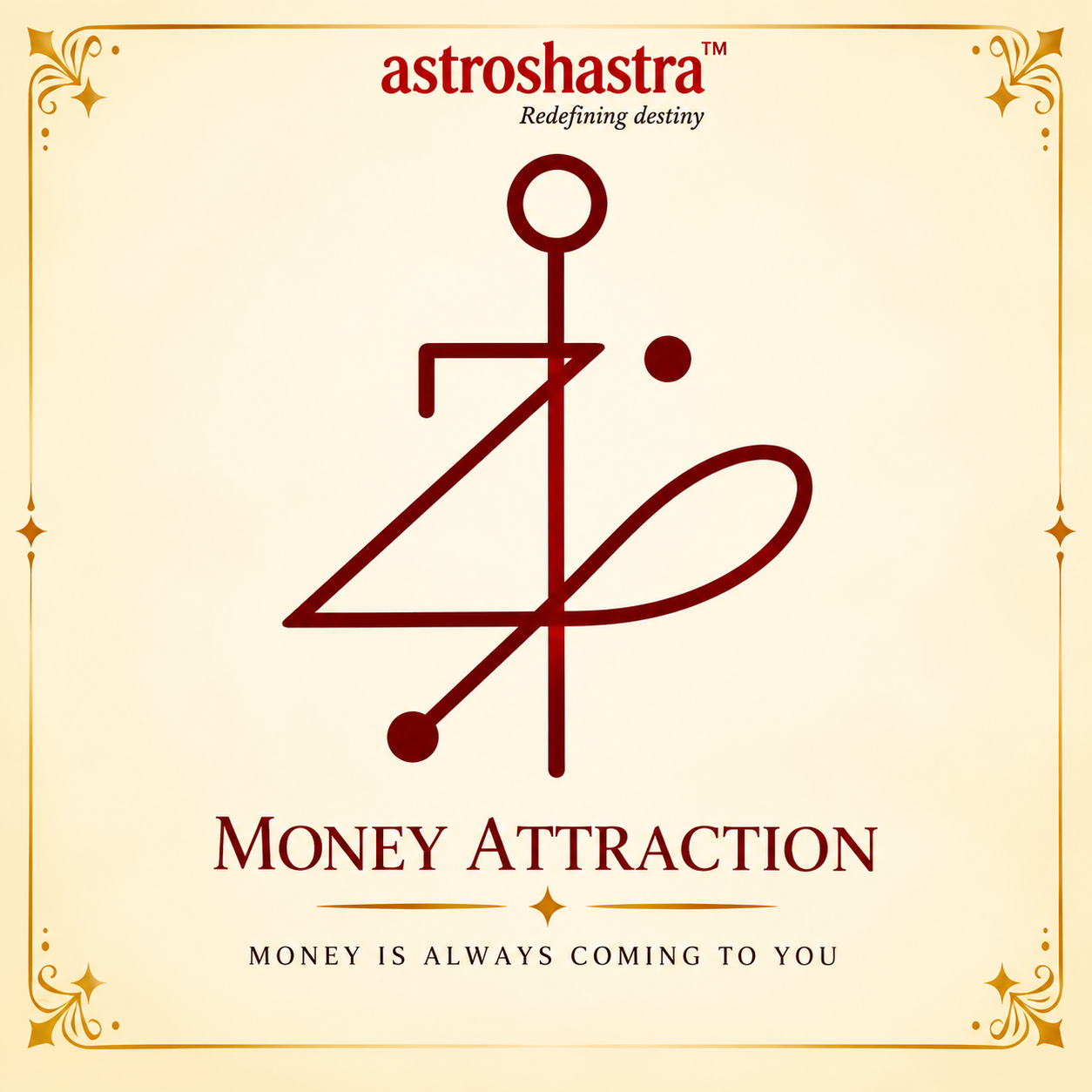
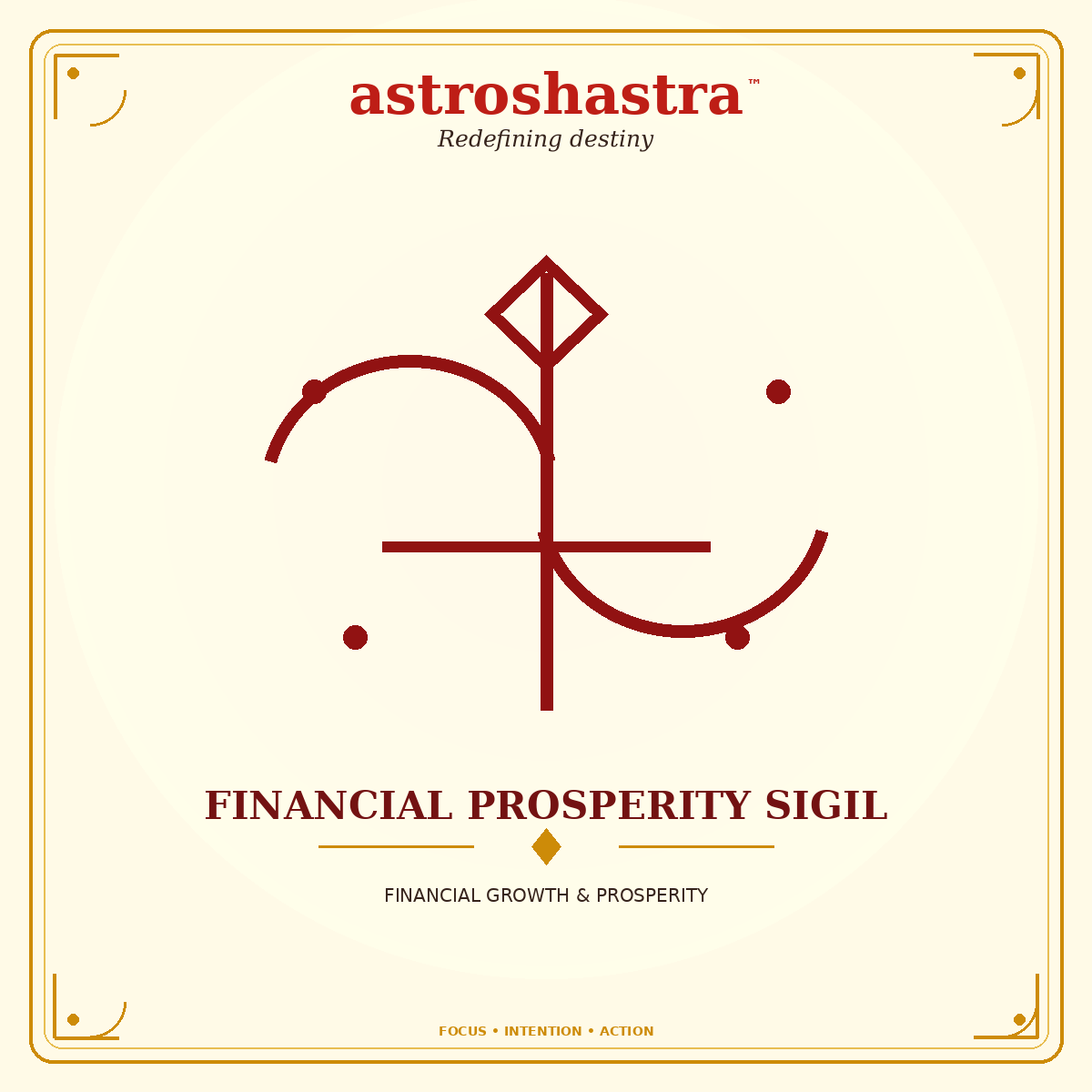
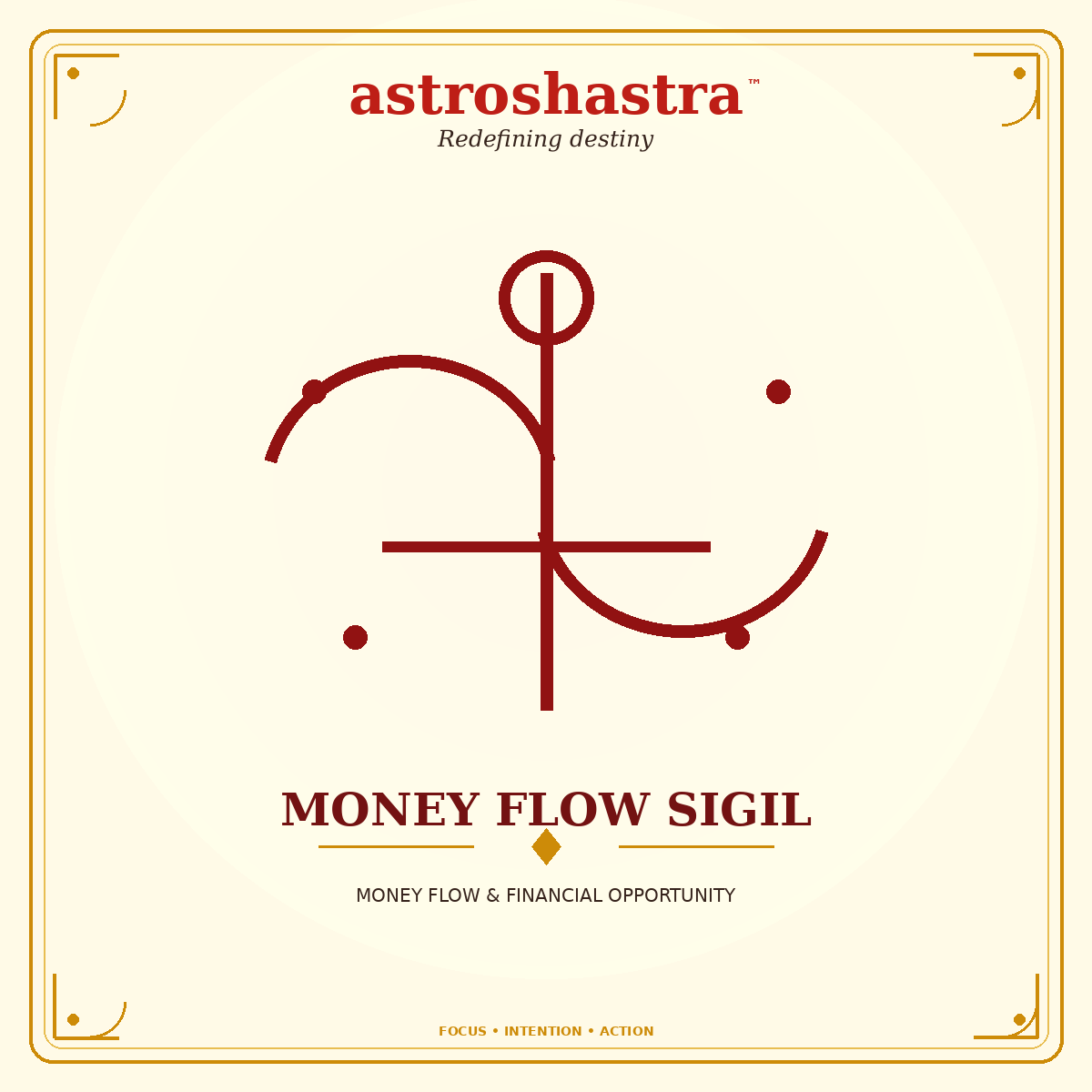
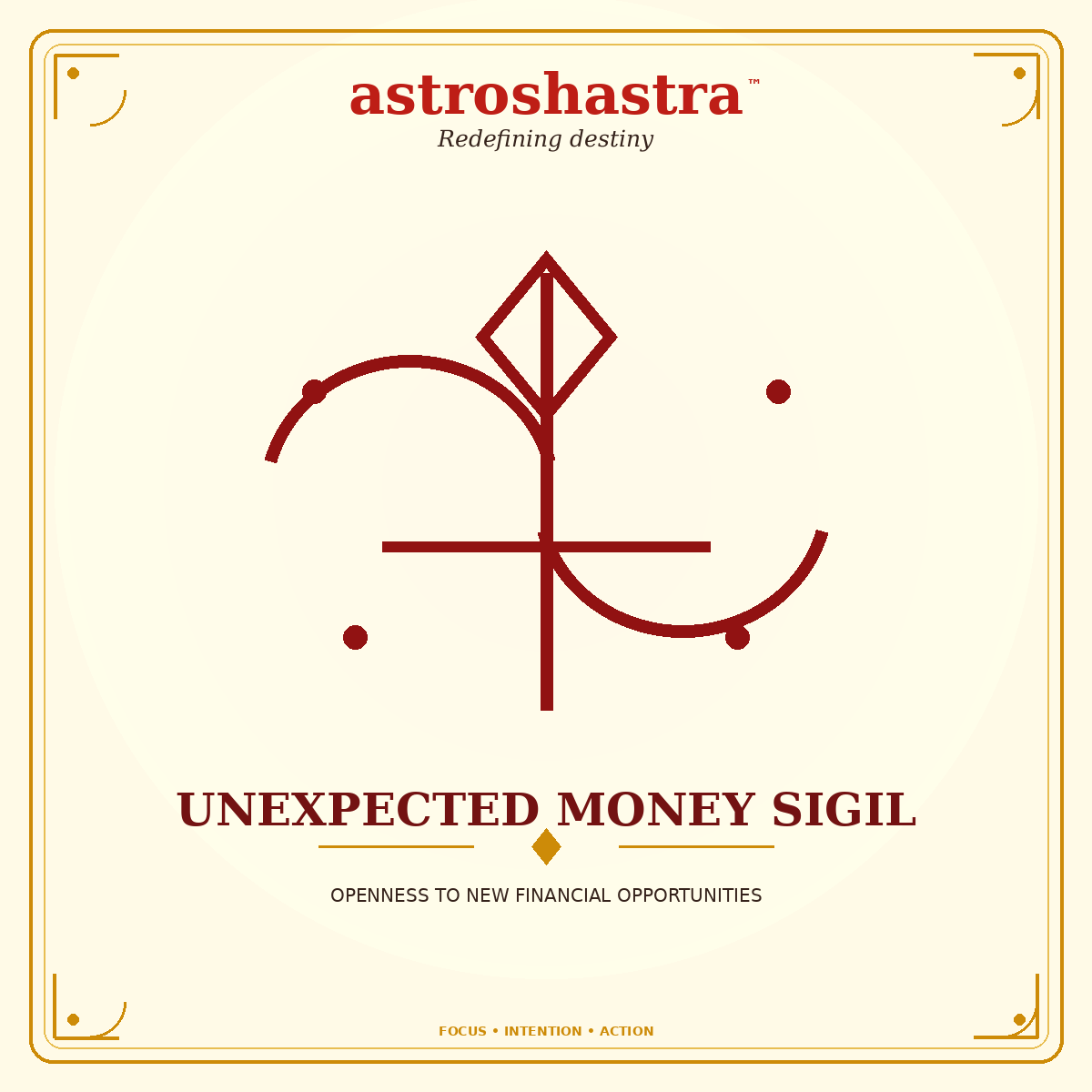
Explore sigils focused on prosperity, money flow, financial stability and abundance.




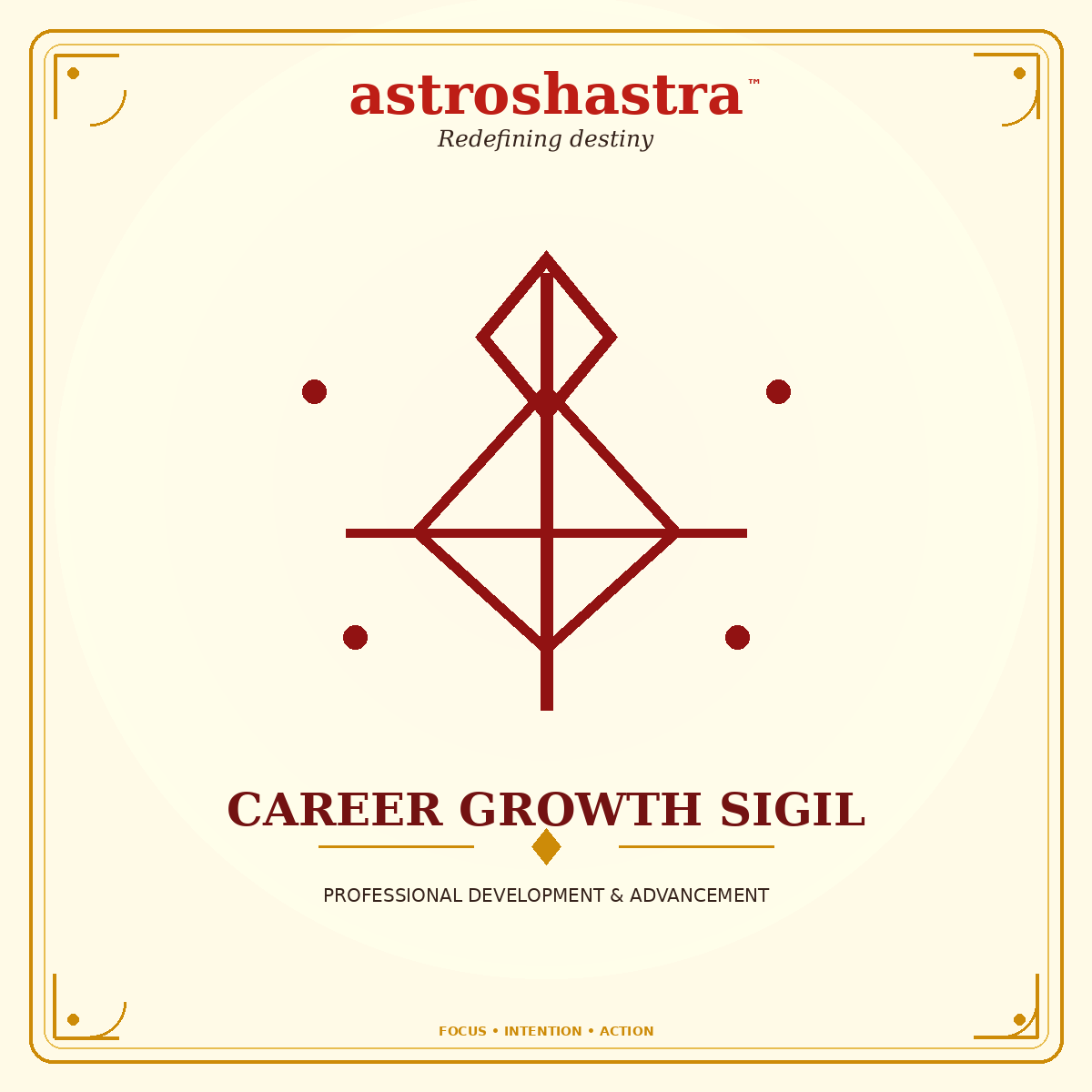
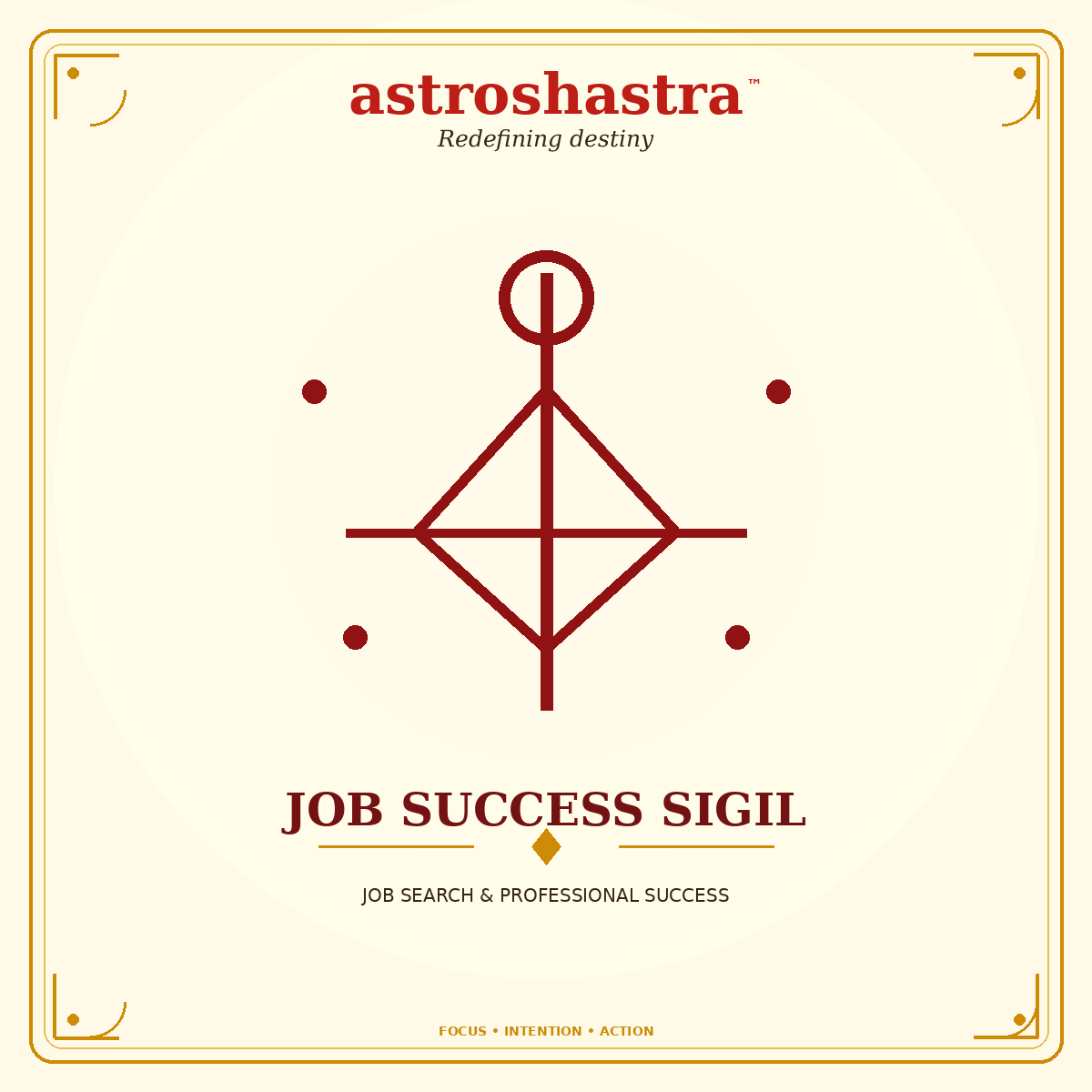
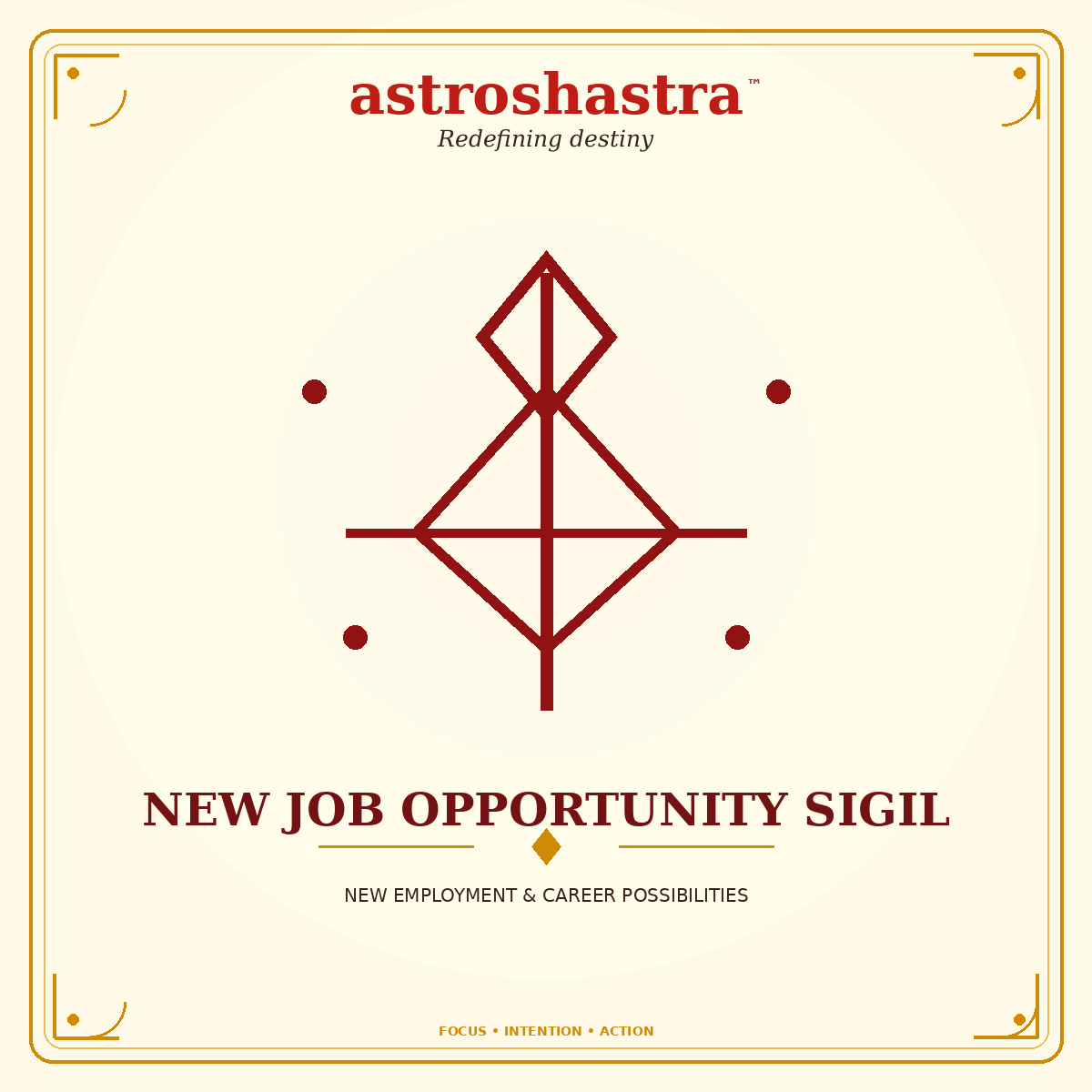
Explore career, job, promotion, leadership and professional growth sigils.


Explore symbolic intention pages for love, harmony, self-love and positive relationships.

Explore goal, success, opportunity, luck, confidence and manifestation-focused sigils.



Explore protection, calm, spiritual growth, inner strength and energy balance sigils.



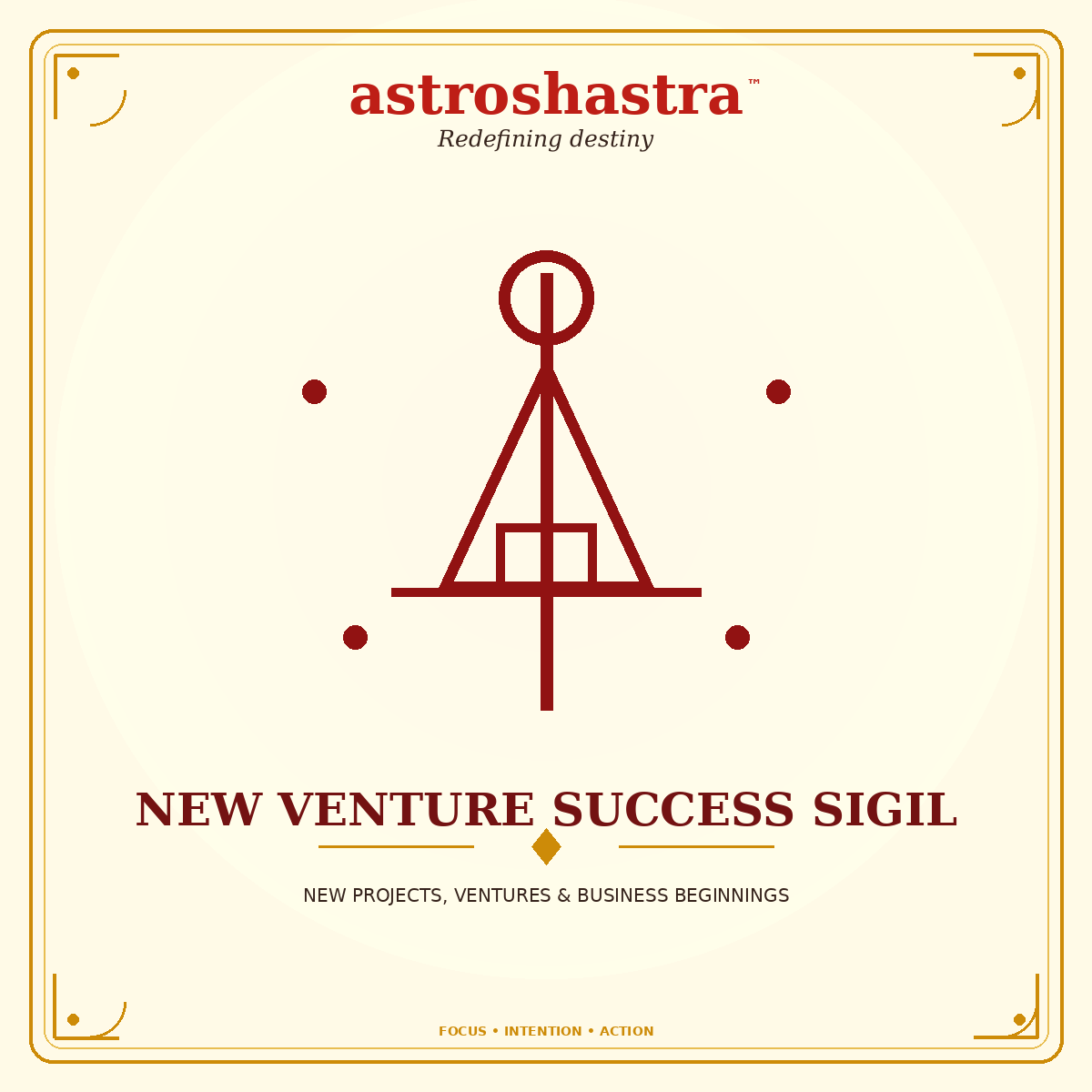
Explore home harmony, customers, sales, revenue and new venture sigils.
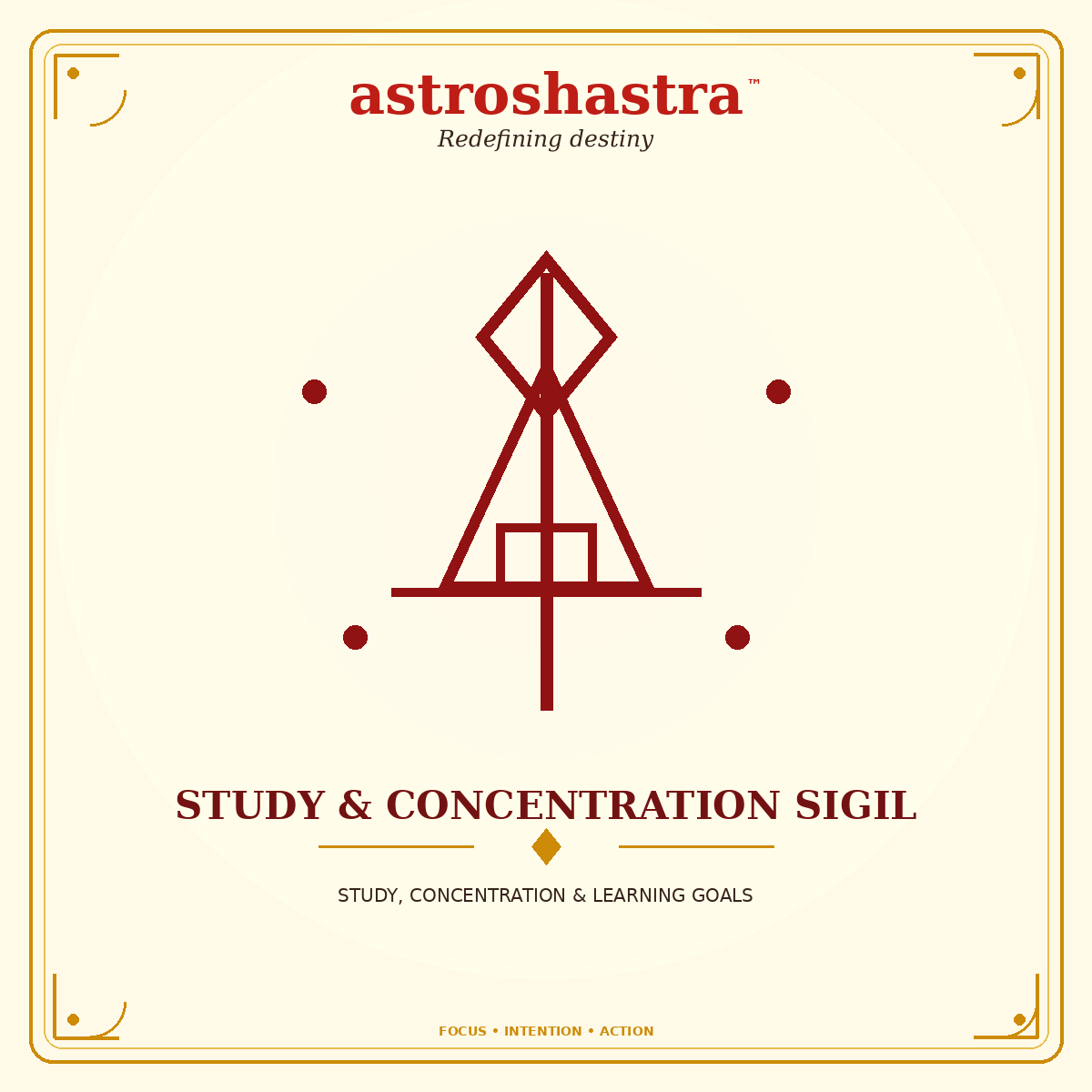
Explore the study and concentration sigil for focused learning and academic goals.
Astrology can provide symbolic correspondences, but it does not make every sigil a planetary remedy.
In Western esoteric traditions, planetary symbolism can connect planets with numbers, metals, colors, days, hours and other correspondences. A practitioner may therefore encounter planetary seals alongside astrological material.
Vedic astrology has its own symbolic systems, including planetary glyphs, signs, Nakshatras, mantras and yantras. A Western planetary seal should not automatically be described as a traditional Jyotisha yantra. The historical context of each symbol matters.
Astroshastra's approach is to explain these systems side by side while identifying which tradition a particular symbol belongs to.
A short and understandable intention is easier to turn into a personal symbol than a long list of unrelated wishes.
It can function as a visual cue for reflection, journaling, meditation or attention toward a chosen goal.
A symbolic practice does not replace study, planning, professional guidance, financial decisions, medical care or other practical steps.
It is a personal symbolic design created to represent a particular intention, goal or desired state.
It is a contemporary term generally used for an intention-focused sigil created around a desired outcome. The terminology is modern and should not automatically be attributed to historical occult writers.
Austin Osman Spare is strongly associated with the modern Western development of intention-based sigilization, particularly through The Book of Pleasure, published privately in 1913.
One Spare-derived approach begins with a statement of desire, reduces repeated letters and combines or stylizes the remaining forms into an abstract symbol.
Claims that sigils independently cause external events have not been established by scientific evidence. This page presents sigilization as a historical and contemporary symbolic practice.
No. Planetary seals belong to particular historical planetary-magic systems, while intention sigils are generally created around a personal statement or goal.
No. They can both be used as symbolic or contemplative diagrams, but Western sigil traditions and Indian yantra traditions have different historical and religious contexts.
No. A symbolic practice should not replace practical planning, learning, professional advice or appropriate medical, financial or other real-world support.
Continue from the pillar page into intention sigils, manifestation sigils, planetary seals and the individual guides in the Astroshastra Sigils knowledge cluster.
Explore Intention Sigils →
Discover how your birth Nakshatra influences luck, fortune, career, wealth, relationships and opportunities. Learn the role o...
Read More
Discover the significance of Anant Chaturdashi, its Vrat and Puja Vidhi, Anant Sutra tradition, Lord Vishnu Mantra, rituals, ...
Read More
Discover the connection between your Nakshatra and lucky numbers in Vedic Astrology. Learn how Nakshatra lords, planetary num...
Read More
Learn how to choose an auspicious Business Opening Muhurat using Tithi, Nakshatra, Lagna, Panchang, planetary positions, Rahu...
Read More
Discover which Nakshatra is considered the luckiest in Vedic Astrology. Learn why Pushya Nakshatra is highly auspicious, its ...
Read More
Discover the Shubh Muhurat for starting a long-distance journey. Learn how Tithi, Nakshatra, Rahu Kaal, Choghadiya, weekday, ...
Read More