Trijuti Rudraksha Bead – Rare Union of Three Rudrakshas
A Unique Rudraksha Formation Representing Brahma, Vishnu & Mahesh
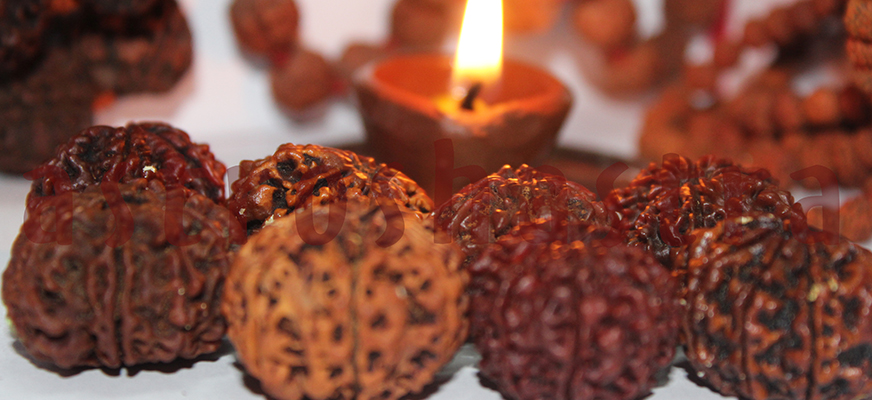
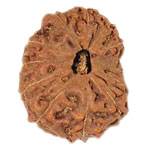
The Trijuti Rudraksha Bead is described in the existing product content as one of the rare forms of Rudraksha, distinguished by the natural union of three Rudraksha beads joined together as one. This unusual formation gives Trijuti Rudraksha a special place in traditional Rudraksha and spiritual practices.
The existing page describes this natural three-bead formation as symbolically representing Brahma, Vishnu and Mahesh (Shiva) — the three divine principles associated with creation, preservation and transformation. :contentReference[oaicite:2]{index=2}
Because of its distinctive natural formation and traditional spiritual symbolism, Trijuti Rudraksha is sought after by collectors, spiritual practitioners, devotees and people interested in rare Rudraksha beads.
Unlike an ordinary Rudraksha bead, Trijuti is described on the existing page as a naturally formed union of three Rudraksha beads, joined together as one. Its symbolism is therefore connected with the divine trinity of Brahma, Vishnu and Mahesh.
What is Trijuti Rudraksha?
The word Trijuti refers to a three-fold union. In the context of Rudraksha, the existing product description identifies Trijuti as a naturally occurring formation in which three Rudraksha beads grow or remain joined together as one distinctive structure.
This natural formation is what differentiates Trijuti Rudraksha from a regular single Rudraksha bead or from three separate beads deliberately placed together.
The existing page presents this rare formation as a symbol of the three divine principles represented by Brahma, Vishnu and Mahesh. :contentReference[oaicite:3]{index=3}
Why is Trijuti Rudraksha Considered Rare?
A conventional Rudraksha develops as an individual bead. The Trijuti formation described on this page is different because three Rudraksha are naturally joined together. Such a natural formation is inherently less common than a regular single bead.
Its rarity is therefore connected primarily with its distinctive natural physical formation. The three joined beads also give it a strong symbolic connection with the three divine principles of creation, preservation and transformation.
Trijuti Rudraksha and the Divine Trinity
The central spiritual symbolism of the existing Trijuti Rudraksha description is the Hindu Trinity of Brahma, Vishnu and Mahesh (Shiva).
The three divine principles are traditionally understood as creation, preservation and transformation. Trijuti Rudraksha therefore serves as a symbolic representation of the continuous cycle of existence.
Brahma
Traditionally associated with creation and the beginning of manifestation.
Vishnu
Traditionally associated with preservation, protection and sustaining cosmic order.
Mahesh / Shiva
Traditionally associated with transformation, dissolution and spiritual evolution.
Spiritual Significance of Trijuti Rudraksha
The existing product description presents Trijuti Rudraksha as a symbol of the harmony of the universe and associates its three-fold structure with the energies of Brahma, Vishnu and Shiva. :contentReference[oaicite:4]{index=4}
From this traditional perspective, the bead represents balance between creation, preservation and transformation. It is therefore particularly meaningful to people who view Rudraksha not only as a sacred bead but also as a symbol of spiritual philosophy.
The existing page further describes Trijuti as being associated with spiritual growth, divine protection and cosmic balance. These are traditional spiritual associations rather than scientifically established effects. :contentReference[oaicite:5]{index=5}
Traditional Benefits of Trijuti Rudraksha
The existing page attributes several traditional spiritual benefits to Trijuti Rudraksha. These include spiritual harmony, concentration, meditation, protection from negative influences, overcoming obstacles, prosperity, success and spiritual liberation. :contentReference[oaicite:6]{index=6}
Trijuti Rudraksha for Career, Business & Personal Growth
The existing product description associates Trijuti Rudraksha with overcoming obstacles in career, business and personal life. :contentReference[oaicite:7]{index=7}
Within traditional spiritual practice, this can be understood symbolically as seeking divine support, clarity and balance while dealing with challenges and important decisions.
It should not, however, be presented as a guarantee of financial success, business growth or career advancement. Those outcomes depend on many practical and personal factors.
Trijuti Rudraksha for Meditation & Spiritual Practice
Trijuti Rudraksha has particular significance for people interested in meditation and spiritual practices because its traditional symbolism is centered around the divine trinity.
The existing page specifically associates the bead with concentration, meditation and spiritual awakening. :contentReference[oaicite:8]{index=8}
It may therefore be kept near a meditation space, worship area or used as part of a personal spiritual practice according to one's tradition.
Trijuti Rudraksha for Traditional Spiritual Protection
Protection is another traditional association mentioned on the existing page. It describes Trijuti Rudraksha as being traditionally associated with protection from negative energies, black magic and evil influences. :contentReference[oaicite:9]{index=9}
These claims belong to traditional spiritual belief and should not be interpreted as scientifically established protection from physical harm or other real-world threats.
Who May Consider Trijuti Rudraksha?
- Spiritual seekers interested in the symbolism of Brahma, Vishnu and Shiva.
- People who practice meditation and traditional spiritual disciplines.
- Collectors interested in rare and naturally formed Rudraksha.
- Devotees who wish to maintain a symbolic connection with the divine trinity.
- People seeking a traditional spiritual aid for balance and concentration.
- Individuals interested in traditional Rudraksha practices for overcoming obstacles.
- People who appreciate naturally unusual and distinctive Rudraksha formations.
How to Wear Trijuti Rudraksha
The existing page states that Trijuti Rudraksha may be worn as a pendant or bracelet, or kept in a place of worship. :contentReference[oaicite:10]{index=10}
It further recommends energizing the bead through traditional rituals and mantras dedicated to Lord Shiva. The existing content mentions Monday and Maha Shivratri as auspicious occasions for wearing it. :contentReference[oaicite:11]{index=11}
- Trijuti Rudraksha may be worn as a pendant.
- It may also be worn as a bracelet.
- It may be kept respectfully in a worship place.
- The bead may be energized through traditional rituals.
- Lord Shiva may be worshipped before wearing it.
- The existing page recommends Monday or Maha Shivratri as auspicious occasions.
Trijuti Rudraksha Mantra
Om Namah Shivaya
The existing product page specifically recommends chanting "Om Namah Shivaya" as part of the traditional practice associated with wearing Trijuti Rudraksha. :contentReference[oaicite:12]{index=12}
How to Energize Trijuti Rudraksha
The existing page recommends energizing Trijuti Rudraksha through proper traditional rituals and mantras dedicated to Lord Shiva. :contentReference[oaicite:13]{index=13}
- Clean the bead respectfully before the ritual.
- Place it in a clean worship area.
- Light a ghee lamp or incense according to your tradition.
- Offer prayers to Lord Shiva.
- Chant Om Namah Shivaya with devotion.
- Wear or place the bead respectfully after the prayer.
Ritual practices can vary between families, teachers and Hindu traditions. The above should therefore be understood as a traditional devotional approach rather than a mandatory universal procedure.
Why Monday is Traditionally Considered Auspicious?
The existing page identifies Monday as an auspicious day for wearing Trijuti Rudraksha and also mentions Maha Shivratri. :contentReference[oaicite:14]{index=14}
Monday is traditionally associated with Lord Shiva in Hindu devotional practice, which makes the recommendation consistent with the Shiva-oriented mantra and worship practice described on the page.
How to Identify and Buy Authentic Trijuti Rudraksha
Because Trijuti Rudraksha is described as a rare natural formation of three joined Rudraksha beads, authenticity is an important consideration when purchasing one.
The existing page specifically recommends purchasing Trijuti Rudraksha from a trusted source that provides laboratory certification and guarantees originality. :contentReference[oaicite:15]{index=15}
Important points when purchasing
- Check that the three Rudraksha are naturally joined.
- Look for clear photographs showing the complete natural formation.
- Ask for authenticity or laboratory certification where available.
- Purchase from a source with a clear authenticity policy.
- Avoid claims that cannot be supported by the seller's documentation.
- For a rare Rudraksha, provenance and authenticity are especially important.
Authentic Trijuti Rudraksha from Astroshastra
The existing page states that Astroshastra offers authentic and energized Trijuti Rudraksh Beads and emphasizes the importance of originality when purchasing this rare Rudraksha formation. :contentReference[oaicite:16]{index=16}
When purchasing a rare Rudraksha, customers should always review the available authenticity documentation and product details before making a purchase.
How to Care for Trijuti Rudraksha
- Keep the Rudraksha clean and dry.
- Avoid prolonged exposure to water and moisture.
- Keep it away from harsh chemicals and perfumes.
- Do not scrub the natural surface aggressively.
- Use a soft dry or slightly damp cloth for gentle cleaning.
- Store it in a clean, dry place when not being used.
- Handle the natural formation carefully to avoid unnecessary physical stress.
Trijuti Rudraksha vs Three Separate Rudraksha Beads
Trijuti Rudraksha should not be confused with a combination of three separate Rudraksha beads placed together in a pendant or mala.
The defining feature described on the existing page is the natural union of three Rudraksha beads as one formation. :contentReference[oaicite:17]{index=17}
The Deeper Symbolism of Trijuti Rudraksha
The three-fold structure can be viewed as a symbolic representation of the interconnected nature of existence. Creation requires preservation, while preservation eventually leads to transformation.
In this traditional philosophical interpretation, Brahma, Vishnu and Shiva represent different but complementary aspects of the cosmic cycle.
Frequently Asked Questions About Trijuti Rudraksha
Trijuti Rudraksha is described on the existing page as a rare natural formation in which three Rudraksha beads are joined together as one.
Its rarity is associated with its distinctive natural formation in which three Rudraksha are joined together rather than existing as separate beads.
The existing product description associates Trijuti with Brahma, Vishnu and Mahesh (Shiva), symbolizing creation, preservation and transformation.
The existing page associates it traditionally with spiritual harmony, concentration, meditation, spiritual awakening, protection, overcoming obstacles, prosperity and success.
Yes. The existing page states that Trijuti Rudraksha can be worn as a pendant or bracelet.
Yes. The existing product description states that it may also be kept in a worship place.
The existing page recommends chanting Om Namah Shivaya as part of the traditional practice associated with the bead.
The existing page identifies Monday and the auspicious occasion of Maha Shivratri for wearing the bead.
The existing page traditionally associates Trijuti with concentration, meditation and spiritual awakening.
The existing product content traditionally associates Trijuti with overcoming obstacles in career, business and personal life.
The existing page recommends purchasing from a trusted source that provides laboratory certification and guarantees originality.
No. The defining characteristic described on the existing page is that the three Rudraksha are naturally joined together as one formation.
The existing page presents Trijuti as a spiritually significant and rare Rudraksha associated with spiritual growth, meditation and divine symbolism.
The benefits described on this page are traditional spiritual and religious beliefs. They should not be interpreted as scientifically established medical or financial effects.
Explore Rare & Authentic Rudraksha
Discover Trijuti Rudraksha, Mukhi Rudraksha, Gauri Shankar, Ganesh Rudraksha, Rudraksha Pendants and traditional Rudraksha Malas available through Astroshastra.



Rudraksh Beads
Find the bestseller in Rudraksh Beads .





Rudraksh Pendants & Malas
Find the bestseller Rudraksh Pendants and Malas .