?> Types of Mantras – Vedic, Tantrik, Beej, Gayatri & Devotional Mantras | Astroshastra
ASTROSHASTRA MANTRA KNOWLEDGE CENTER

Types of Mantras

Explore Vedic, Tantrik, Beej, Shanti, Gayatri & Devotional Mantras

Mantras are sacred sounds, syllables, words or phrases that have an important place in Hindu spiritual traditions, meditation, prayer and ritual practices. Different mantras are traditionally associated with different purposes, deities, spiritual practices and methods of recitation.

Understanding the different categories of mantras helps a practitioner choose a form of chanting that is appropriate for their spiritual objective, devotional practice or meditation routine.

UNDERSTANDING MANTRA

What Is a Mantra?

The word Mantra is traditionally associated with sacred sound and contemplative practice. Mantras may consist of a single sacred syllable, a sequence of sounds, a divine name, a Vedic verse or a longer prayer.

In traditional practice, the sound, pronunciation, rhythm, repetition and intention behind a mantra are considered important. Some mantras are associated with meditation and concentration, while others are connected with worship, specific deities, planetary influences, protection, peace or spiritual disciplines.

The different classifications of mantras should therefore be understood within their respective spiritual and traditional contexts rather than treating every mantra as identical.

MANTRA CLASSIFICATION

Major Categories of Mantras

Different traditions classify mantras according to their origin, purpose, sound structure, deity, method of practice and spiritual application.
01

Vedic Mantras

Vedic Mantras originate from the Vedic tradition and are traditionally recited during prayers, rituals, worship and spiritual practices.

The sacred syllable Om is widely used in Hindu spiritual practice and appears in numerous traditional prayers and mantras.

02

Tantrik Mantras

Tantrik Mantras are associated with Tantric traditions and are traditionally practiced according to specific methods, disciplines and ritual procedures.

Such practices may involve particular rules regarding pronunciation, initiation, repetition, timing and spiritual discipline.

03

Aghor & Sabri Mantras

The existing Astroshastra material describes Sabri Mantras within Tantrik traditions and notes that many such mantras are found in local languages.

These traditions should be approached respectfully and, where appropriate, under knowledgeable traditional guidance.

04

Beej Mantras

Beej Mantras are short seed syllables traditionally associated with particular spiritual energies, deities or practices.

Their short form makes them prominent in many forms of meditation, worship and mantra Japa.

05

Meditation Mantras

Meditation Mantras use repeated sounds or phrases to support concentration and create a steady point of attention during meditation.

Regular repetition can become a structured part of a contemplative routine.

06

Devotional Mantras

Devotional Mantras are traditionally associated with particular deities and are recited as expressions of devotion, prayer and spiritual connection.

ॐ नमः शिवाय
07

Shanti Mantras

Shanti Mantras are traditional peace invocations associated with harmony, calmness and spiritual well-being.

ॐ शान्तिः शान्तिः शान्तिः ॥
08

Gayatri Mantras

Gayatri Mantras are traditional Vedic prayers structured around the Gayatri metre. They are particularly associated with spiritual illumination and contemplation.

ॐ भूर्भुवः स्वः
09

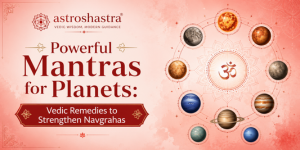
Planetary Mantras

In Jyotish traditions, specific mantras are associated with the Navagraha. Such practices are traditionally used as part of planetary worship and spiritual remedies.

10

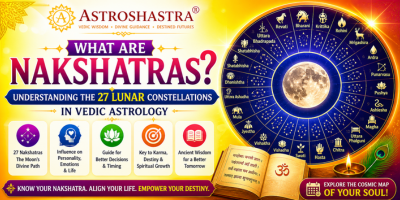
Nakshatra Mantras

Nakshatra Mantras are associated with the 27 lunar constellations used in Vedic astrology. They can be incorporated into traditional spiritual and Jyotish practices.

SACRED SANSKRIT MANTRAS

Examples of Traditional Mantras

The following examples illustrate different forms of mantra practice. Their use and method of chanting may vary according to tradition.

01

Om Mantra

Traditional significance: Om is one of the most widely recognized sacred syllables in Hindu spiritual traditions and is frequently used at the beginning or end of prayers and meditation practices.

02

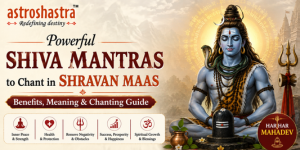
Om Namah Shivaya

ॐ नमः शिवाय ॥

Traditional significance: A widely known Shaiva devotional mantra associated with Lord Shiva and devotional practice.

03

Gayatri Mantra

ॐ भूर्भुवः स्वः ।
तत्सवितुर्वरेण्यं
भर्गो देवस्य धीमहि ।
धियो यो नः प्रचोदयात् ॥

Traditional significance: A celebrated Vedic prayer traditionally associated with Savitr and contemplation of divine illumination.

04

Shanti Mantra

ॐ शान्तिः शान्तिः शान्तिः ॥

Traditional significance: A simple peace invocation commonly recited at the conclusion of prayers and spiritual practices.

05

Sarve Bhavantu Sukhinah

सर्वे भवन्तु सुखिनः ।
सर्वे सन्तु निरामयाः ।
सर्वे भद्राणि पश्यन्तु ।
मा कश्चिद्दुःखभाग्भवेत् ॥

Meaning: May everyone be happy, may everyone be free from suffering, may everyone experience auspiciousness and may no one suffer.

PERSONAL MANTRA PRACTICE

How to Choose the Right Mantra?

Choosing a mantra can depend upon the practitioner's spiritual tradition, purpose, personal devotion and method of practice. A mantra used for meditation may be different from one used for a particular devotional or ritual purpose.

01

For Meditation

Choose a simple mantra that allows you to maintain attention on the sound and repetition.

02

For Devotion

A deity-associated mantra may be selected according to your devotional tradition and spiritual connection.

03

For Peace

Shanti Mantras can traditionally be incorporated into prayer and meditation focused on peace and harmony.

04

For Jyotish Practice

Planetary or Nakshatra Mantras may be selected within the framework of traditional Vedic astrology.

MANTRA JAPA

How to Practice Mantra Chanting

01

Prepare Your Space

Sit in a clean and relatively quiet place where you can practice without unnecessary distraction.

02

Set Your Intention

Begin by clearly understanding why you are practicing the mantra.

03

Maintain Concentration

Focus on the sound, pronunciation and rhythm rather than allowing the mind to wander.

04

Use a Mala

A traditional Japa Mala can help maintain a consistent count during repetition.

05

Practice Regularly

Consistency is traditionally considered more meaningful than occasional excessive repetition.

06

End in Silence

After chanting, sit quietly for a few moments and observe the effect of the practice.

TRADITIONAL PRACTICE

Traditional Benefits of Mantra Practice

Supports concentration
Encourages a peaceful routine
Supports meditation
Strengthens devotional discipline
Encourages mindfulness
Supports spiritual reflection

Do's of Mantra Practice

  • Learn the correct pronunciation whenever possible.
  • Maintain a clean and peaceful practice environment.
  • Practice with concentration and sincerity.
  • Maintain regularity in your chosen practice.
  • Respect the tradition associated with specialized mantras.

Things to Remember

  • Not every mantra has the same purpose or method.
  • Specialized Tantrik practices may require traditional guidance.
  • Do not treat mantra practice as a replacement for professional medical or psychological care.
  • Pronunciation and traditional method can matter for specific mantras.
  • Choose practices appropriate to your spiritual tradition.
FREQUENTLY ASKED QUESTIONS

Types of Mantras FAQ

What are the different types of mantras?

Commonly discussed categories include Vedic, Tantrik, Beej, Meditation, Devotional, Shanti, Gayatri, Planetary and Nakshatra Mantras.

What is a Vedic Mantra?

Vedic Mantras are traditional sacred recitations associated with the Vedic tradition and are used in prayers, rituals and spiritual practices.

What is a Beej Mantra?

A Beej Mantra is a short seed syllable traditionally associated with a particular spiritual energy, deity or practice.

What are Tantrik Mantras?

Tantrik Mantras are associated with Tantric traditions and may involve specific methods, disciplines and ritual procedures.

What are Meditation Mantras?

Meditation Mantras are repeated sounds or phrases used traditionally to support concentration and meditation.

What are Shanti Mantras?

Shanti Mantras are traditional peace invocations associated with harmony, calmness and spiritual well-being.

Can beginners chant mantras?

Beginners can start with simple mantras appropriate to their spiritual tradition and focus on pronunciation, concentration and regular practice.

Can a Mala be used for mantra chanting?

Yes. A traditional Japa Mala can be used to maintain the count and rhythm of mantra repetition.

Mantra Knowledge Center

Explore Sacred Mantras, Their Types, Applications & Spiritual Benefits


ASTROSHASTRA COLLECTION

Shop Popular Lucky Charms

Authentic Vedic Lucky Charms for Wealth, Protection, Success, Protection & Prosperity

Lucky Gajraj
Lucky Gajraj
Luck & Prosperity
Evil Eye Pendant
Evil Eye Pendant
Negative Energy
Shvetark Ganpati
Shvetark Ganpati
Success & Wisdom
Kali Haldi
Kali Haldi
Wealth Attraction
Narmadeshwar Shivling
Divine Blessings
White Chimri Beads
White Chimri Beads
Peace & Harmony
Black Chimri Beads
Black Chimri Beads
Protection & Success
Supari Ganesha
Supari Ganesha
Obstacle Removal
Bhimseni Kapur
Bhimseni Kapur
Positive Energy
Brass Pyramid
Brass Pyramid
Vaastu Energy
Guggal
Guggal
Purification
Loban
Loban
Spiritual Cleansing
Red Chandan
Red Chandan
Divine Rituals
Swastik Pyramid
Swastik Pyramid
Vaastu Harmony
Lakshmi Paduka
Lakshmi Paduka
Wealth Blessings
Boat Nail
Boat Nail
Business Success
Cross
Cross
Faith & Blessings
Parad Shivling
Parad Shivling
Spiritual Power

Heera Shankh
Dakshinavarti Shankh

Heera Shankh
Explore Now

Natural Shaligram
Shaligram Shilas

Natural Shaligram

Explore Now

Parad Store
Shilvling , Parad Beads

Parad idols

Explore Now