
Pitradosh Nivaran Navgrah Yantra for Ancestral Peace & Planetary Harmony
Buy Pitradosh Nivaran Navgrah Yantra Online – Sacred Vedic Yantra for Pitra Dosha Remedies, Family Harmony & Navgraha Blessings
The Pitradosh Nivaran Navgrah Yantra is a sacred Vedic Yantra traditionally worshipped for Pitra Dosha remedies while invoking the blessings of the Nine Navagrahas.
It combines the traditional symbolism of ancestral remembrance with prayers for planetary harmony, family well-being, spiritual peace and positive karmic development.
What is Pitradosh Nivaran Navgrah Yantra?
The Pitradosh Nivaran Navgrah Yantra is a sacred geometric representation that combines the traditional worship of the Navagrahas with prayers for ancestral peace.
According to the source tradition represented on this page, Pitra Dosha is associated with ancestral karmic patterns and unresolved family obligations. The Yantra is therefore used as a spiritual focal point for prayers seeking ancestral blessings, planetary harmony and family prosperity.
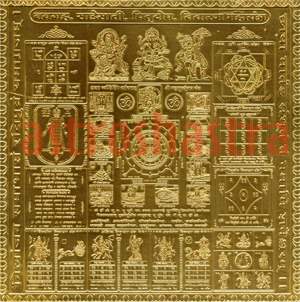
Pitradosh Nivaran Navgrah Yantra
Sacred Yantra for traditional Pitra Dosha and Navgraha worship.
What is Pitra Dosha?
According to the traditional Vedic astrology framework described on this page, Pitra Dosha refers to certain karmic patterns associated with one's ancestral lineage.
Traditional beliefs connect unresolved ancestral obligations, incomplete duties or neglected ancestral rituals with possible obstacles experienced by descendants. These may traditionally include delays, recurring difficulties, family concerns and other challenges.
The Nine Navagrahas
The Pitradosh Nivaran Navgrah Yantra incorporates the traditional worship of the nine planetary deities known as the Navagrahas.
Surya
Sun — traditionally associated with vitality, authority and self-expression.
Chandra
Moon — traditionally associated with emotions, mind and mental peace.
Mangal
Mars — traditionally associated with courage, energy and determination.
Budh
Mercury — traditionally associated with communication, intellect and learning.
Guru
Jupiter — traditionally associated with wisdom, Dharma and prosperity.
Shukra
Venus — traditionally associated with relationships, comforts and refinement.
Shani
Saturn — traditionally associated with discipline, karma and responsibility.
Rahu
Rahu — traditionally associated with desires, unconventional experiences and karmic lessons.
Ketu
Ketu — traditionally associated with detachment, spirituality and liberation.
Spiritual Significance of Pitradosh Nivaran Navgrah Yantra
The Yantra represents the traditional connection between ancestral remembrance and planetary worship. It encourages devotees to express gratitude towards their ancestors while maintaining regular spiritual discipline.
In the traditional framework, ancestral prayers, charity, Shraddha, Tarpan and righteous conduct are important aspects of honouring one's lineage.
The Navgraha aspect of the Yantra adds a planetary dimension to the practice, making it a combined spiritual focus for ancestral remembrance, planetary harmony and family well-being.
Benefits of Pitradosh Nivaran Navgrah Yantra
The following benefits reflect the traditional spiritual and astrological significance described for this Yantra.
Supports Pitra Dosha Remedies
The Yantra is traditionally included in spiritual remedies recommended for Pitra Dosha.
Promotes Ancestral Peace
Devotees use it as a sacred focal point while praying for the peace and spiritual well-being of their ancestors.
Navgraha Harmony
The Yantra invokes the traditional blessings of all nine planetary deities.
Family Harmony
Traditional worship encourages prayers for peace, unity and well-being within the family.
Spiritual Strength
Regular devotional practice can encourage faith, discipline and spiritual awareness.
Positive Karmic Awareness
The Yantra encourages reflection on family lineage, Dharma, gratitude and responsible living.
Overcoming Obstacles
Devotees may worship the Yantra while seeking spiritual strength to face recurring challenges.
Mental Peace
Prayer and remembrance practices may provide a focused environment for reflection and spiritual contentment.
Ancestral Remembrance
The Yantra provides a dedicated sacred focus for remembering and honouring one's forefathers.
Who Should Worship Pitradosh Nivaran Navgrah Yantra?
This Yantra may be considered by individuals who have been advised by a qualified Vedic astrologer to perform Pitra Dosha remedies, as well as families who regularly observe traditional ancestral worship.
Those Advised Pitra Dosha Remedies
Individuals whose horoscope has been assessed for Pitra Dosha may use the Yantra as part of a recommended spiritual remedy.
Families Observing Shraddha
Families following ancestral remembrance traditions may keep a dedicated sacred space for prayer and worship.
Spiritual Seekers
Devotees interested in ancestral remembrance and Navgraha worship may incorporate the Yantra into their practice.
Householders
Householders may worship the Yantra while praying for family harmony, peace and prosperity.
Devotees During Pitra Paksha
The Yantra can serve as a spiritual focal point during traditional periods of ancestral remembrance.
Navgraha Worshippers
Those seeking a combined ancestral and planetary worship practice may find this Yantra suitable for their tradition.
Pitradosh Nivaran Navgrah Yantra Product Specifications
Premium Gold Plated Copper Yantra
The product details on this page identify the Yantra as being made from Premium Gold Plated Copper.
Its design combines the traditional Navagraha symbolism with sacred Pitra Dosha symbols and mantras.
The Yantra is intended for respectful placement in a home temple, Puja room, office, meditation space or other suitable sacred location.
Product Details
Material:
Premium Gold Plated Copper
Design:
Navagraha Yantra with Sacred Pitra Dosha Symbols and Mantras
Packet Contains:
Energized Yantra, Roli and Mouli
Where Should Pitradosh Nivaran Navgrah Yantra Be Placed?
The Yantra should be placed respectfully in a clean location where regular prayer and worship can be performed.
Home Temple
A clean Puja room or home temple is a traditional place for regular worship.
Meditation Room
A peaceful spiritual space can provide a suitable environment for prayer and mantra chanting.
Office
The Yantra may be placed respectfully in an office where regular devotional practice is possible.
Business Premises
A clean and respectful space within business premises may be used according to the devotee's tradition.
Sacred Worship Space
Any clean location specifically maintained for prayer and spiritual practice may be considered.
During Ancestral Worship
The Yantra can be respectfully included in a dedicated space during ancestral remembrance rituals.
How to Worship Pitradosh Nivaran Navgrah Yantra
The source page recommends a traditional worship approach involving purification, offerings, lamp lighting and ancestral prayers.
Purify the Yantra
Purify the Yantra with Gangajal before installation.
Prepare the Worship Space
Place the Yantra respectfully on a clean yellow or white cloth.
Offer Flowers
Offer suitable flowers as part of the devotional worship.
Offer Sesame Seeds
Black sesame seeds or Til are traditionally associated with ancestral rituals.
Offer Sandalwood & Fruits
Offer sandalwood paste, fruits and other traditional offerings.
Light a Ghee Lamp
Light a pure ghee lamp and maintain a calm devotional environment.
Chant the Pitra Dosha Mantra
Chant the recommended mantra with devotion and concentration.
Offer Ancestral Prayers
Conclude with prayers for ancestral peace, family well-being and spiritual harmony.
Recommended Worship Materials
Flowers
The source page recommends white or yellow flowers.
Black Sesame Seeds
Black sesame seeds, or Til, are traditionally used in ancestral worship.
Other Offerings
Water, sandalwood paste, fruits, incense, a ghee lamp and seasonal food offerings may be used.
Pitra Dosha Nivaran Mantra
The source page states that devotees may chant this mantra 108 times or according to the guidance of a qualified priest or Guru. Ritual methods and pronunciation may vary across traditions.
Pitradosh Yantra and Traditional Ancestral Remedies
The Yantra should be understood as part of a broader spiritual approach to ancestral remembrance. The source page specifically mentions practices such as Shraddha, Tarpan, Pind Daan and charitable acts according to family tradition and guidance from learned priests.
For individuals seeking a horoscope-based Pitra Dosha remedy, the birth chart should first be examined by a qualified Vedic astrologer before selecting a specific remedial practice.
Energized Pitradosh Nivaran Navgrah Yantra
The source page describes the Yantra as being spiritually energized through traditional Vedic rituals and mantra chanting before being offered to the devotee.
When worshipped with sincerity and devotion, the Yantra serves as a sacred symbol of ancestral remembrance, family harmony, planetary balance and spiritual well-being.
Frequently Asked Questions About Pitradosh Nivaran Navgrah Yantra
What is Pitradosh Nivaran Navgrah Yantra?
It is a sacred Vedic Yantra traditionally worshipped to seek ancestral blessings while invoking the harmonious energies of the nine Navagrahas.
What is Pitra Dosha?
According to the traditional Vedic astrology framework, Pitra Dosha refers to certain karmic patterns associated with ancestral lineage and unresolved family obligations.
Who should worship Pitradosh Nivaran Navgrah Yantra?
Individuals advised by a qualified Vedic astrologer to perform Pitra Dosha remedies, as well as devotees seeking ancestral peace and Navgraha blessings, may worship this Yantra.
When should Pitradosh Yantra be installed?
The source page associates its installation and worship with Pitra Paksha, Amavasya, Mahalaya Amavasya and other auspicious occasions dedicated to ancestral remembrance.
Can this Yantra replace Shraddha or Tarpan?
No. The source page specifically states that the Yantra complements traditional ancestral rituals such as Shraddha and Tarpan but does not replace them.
Can Pitradosh Nivaran Navgrah Yantra be worshipped daily?
Yes. The source page states that devotees may perform simple daily prayers and mantra chanting before the Yantra with faith and sincerity.
Where should Pitradosh Nivaran Navgrah Yantra be placed?
It may be respectfully installed in a home temple, Puja room, meditation room, office, business premises or another clean sacred space used for worship.
What mantra is used for Pitra Dosha Nivaran?
The mantra provided on the source page is ॐ श्री सर्व पितृ दोष निवारणाय क्लेशं हन हन सुखं शान्तिं देहि फट् स्वाहा॥.
What does the Navgrah aspect of the Yantra represent?
It represents the traditional worship of Surya, Chandra, Mangal, Budh, Guru, Shukra, Shani, Rahu and Ketu for planetary harmony.
What material is the Yantra made from?
The product specifications identify the Yantra as Premium Gold Plated Copper.
पितृदोष निवारण नवग्रह यंत्र
पितृदोष निवारण नवग्रह यंत्र एक पवित्र वैदिक यंत्र है जिसे पितृ दोष की शांति तथा नवग्रहों की कृपा प्राप्त करने के लिए पारंपरिक रूप से पूजा जाता है।
वैदिक ज्योतिष की पारंपरिक मान्यता के अनुसार पितृ दोष का संबंध पूर्वजों से जुड़े कर्मों, अधूरे धार्मिक कर्तव्यों या पारिवारिक कर्मों से माना जाता है। श्रद्धापूर्वक यंत्र की पूजा करते हुए साधक अपने पूर्वजों की शांति, परिवार में सुख-समृद्धि तथा नवग्रहों की सकारात्मक कृपा के लिए प्रार्थना करता है।
पितृ पक्ष, अमावस्या तथा महालया अमावस्या जैसे अवसरों पर पूर्वजों के स्मरण और पूजा के साथ इस यंत्र को आध्यात्मिक साधना का केंद्र बनाया जा सकता है।
पितृदोष निवारण मंत्र
पितृ संबंधी विशेष उपायों के लिए जन्म कुंडली का विश्लेषण योग्य वैदिक ज्योतिषी से करवाना उचित है, क्योंकि प्रत्येक व्यक्ति के लिए ग्रह स्थिति और उपाय अलग हो सकते हैं।