


Powerful Shiva Mantras to Chant in Shravan Maas | Benefits, Meaning & Chanting Guide
Discover the most powerful Shiva mantras to chant during Shravan Maas. Learn their meanings, benefits, correct chanting ...
Read MoreMantras are sacred sounds, words or phrases used in traditional spiritual practices for prayer, meditation, concentration and contemplation. The nature of a mantra is understood not only through its literal meaning but also through its sound, pronunciation, rhythm, intention and traditional association.
In Vedic and yogic traditions, sound is regarded as an important means of focusing consciousness. Through disciplined repetition, a mantra can become a powerful aid to meditation and devotional practice.
The word Mantra is traditionally associated with the Sanskrit concepts of the mind and protection or liberation through sacred contemplation. A mantra is therefore more than an ordinary word. It is traditionally approached as a structured sound used to direct and steady the mind.
The nature of a mantra can be understood through several dimensions: its sound, meaning, rhythm, pronunciation, intention, deity association and method of repetition. Different mantras are used for different spiritual and traditional purposes.
Some mantras are short seed sounds, while others are complete Sanskrit verses. Some are associated with particular deities, planets, Nakshatras or spiritual practices. The practitioner may repeat the mantra aloud, softly or mentally according to the tradition being followed.
Mantra practice places particular importance on sound and repetition. The rhythm and pronunciation of a traditional mantra provide the practitioner with a structured point of attention.
During Japa or meditation, repeated attention to the mantra can help reduce distractions and establish a regular spiritual discipline. In traditional practice, the sound of the mantra is considered an important part of its identity.
This is why pronunciation, rhythm, intention and consistency are important considerations when learning a traditional mantra.
The vibration and pronunciation form an important part of traditional mantra practice.
The phonetic form of a mantra is an essential part of traditional chanting practice.
Many mantras contain sacred names, prayers, invocations or philosophical meanings.
The purpose and mental attitude of the practitioner form an important part of spiritual practice.
Repeated chanting, known as Japa, creates a structured practice of concentration and remembrance.
Traditional Sanskrit mantras are generally practiced with attention to their pronunciation and rhythm.
Many mantra traditions combine sound practice with devotion toward a deity or spiritual ideal.
The existing Astroshastra content describes two classifications of mantras based on the traditional Yoga-Tantra understanding of the active breath channel.
According to the traditional explanation presented on Astroshastra, when the Surya Nadi is active and the breath is described as warm, hot mantras are associated with this state.
These are traditionally known as Agneya mantras and are described as being associated with transformative or destructive purposes.
According to the traditional explanation on this page, when the Chandra Nadi is active and the breath is described as cool, cold mantras are associated with this state.
These are traditionally known as Saumya mantras and are associated with beneficial or constructive purposes.
Mantra practice is traditionally approached with regularity, concentration and respect for the mantra being practiced. A beginner can start with a simple mantra and gradually establish a consistent routine.
Select a mantra appropriate to your spiritual or devotional practice.
Choose a clean and peaceful place where you can practice without unnecessary distractions.
Learn the pronunciation and rhythm carefully, especially when practicing Sanskrit mantras.
Keep your attention on the mantra instead of mechanically repeating it without awareness.
A simple regular practice can be easier to maintain than occasional long sessions.
After chanting, sit quietly for a few moments and allow the mind to settle.
Repetition of a mantra is traditionally known as Japa. Japa may be performed using a Mala, through audible chanting, soft repetition or mental repetition depending upon the practice.
A Mala of 108 beads is commonly associated with Japa. However, the appropriate number of repetitions can vary according to the mantra, tradition and purpose.
Mantra practice has been used in Indian spiritual traditions for prayer, meditation, contemplation and devotional worship. The traditional benefits attributed to mantra practice vary according to the mantra and the spiritual tradition in which it is practiced.
A mantra is traditionally practiced with a clear intention. The same sacred sound may be approached as prayer, meditation, devotional worship or part of a traditional spiritual discipline.
Rather than focusing only on the number of repetitions, practitioners can also pay attention to pronunciation, awareness, devotion and consistency.
Learn unfamiliar Sanskrit mantras from a reliable source so that pronunciation can be understood correctly.
Maintain cleanliness and a calm environment for regular devotional practice.
Avoid treating traditional mantra practice as a substitute for professional medical or psychological care.
Specialized Tantric or remedial practices should be undertaken according to the relevant tradition and knowledgeable guidance.
A mantra is traditionally understood as a sacred sound, word or phrase used for prayer, meditation, contemplation or devotional practice. Its nature includes sound, pronunciation, meaning, intention and repetition.
Sanskrit is central to many classical Indian mantra traditions, but sacred chanting practices also exist in other languages and traditions. The form of practice depends upon the particular spiritual tradition.
In the traditional classification described on this page, Agneya refers to hot mantras associated with Surya Nadi and traditionally described as having transformative or destructive purposes.
Saumya refers to cold mantras in the traditional classification presented here. They are associated with Chandra Nadi and traditionally described as being used for beneficial purposes.
There is no single number applicable to every mantra. Traditional Japa commonly uses a 108-bead Mala, while specific practices may prescribe different repetition counts.
Yes. Beginners can start with a simple traditional mantra, learn its pronunciation and establish a short, regular practice before gradually increasing the duration.
Explore Sacred Mantras, Their Types, Applications & Spiritual Benefits
Authentic Vedic Lucky Charms for Wealth, Protection, Success, Protection & Prosperity


Explore hand-picked articles related to this topic to deepen your astrological knowledge.
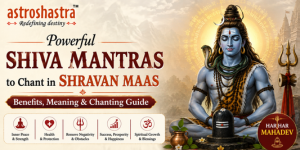
Discover the most powerful Shiva mantras to chant during Shravan Maas. Learn their meanings, benefits, correct chanting ...
Read More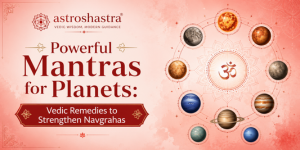
Discover powerful mantras for planets in Vedic astrology. Learn Navgraha mantras for Sun, Moon, Mars, Mercury, Jupiter, ...
Read More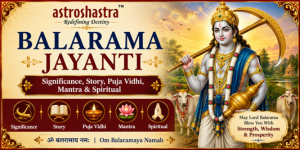
Discover the significance of Balarama Jayanti, the birth of Lord Balarama, his connection with Lord Krishna, traditional...
Read More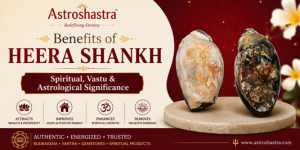
Discover the benefits of Heera Shankh in Vedic astrology and Vastu Shastra. Learn how this sacred conch attracts wealth,...
Read More
Discover astrology remedies that actually work for career, marriage, health, finances, and planetary doshas. Learn effec...
Read More
Indira Ekadashi is a sacred Hindu fasting day dedicated to Lord Vishnu and traditionally associated with ancestral remem...
Read More