Application of Vastu Shastra
A Practical Case Study in Applying Vastu Principles
Vastu Shastra is traditionally concerned with the relationship between a built environment, directions, spatial organisation, natural forces and the people who use the space. Its application involves more than simply changing an entrance or placing an object in a particular direction.
This case study brings together important Vastu considerations including directional strength, the five elements, Brahma Sthana, room placement, entrances, colours, natural light, energy balance and the role of Muhurta and Astrology.
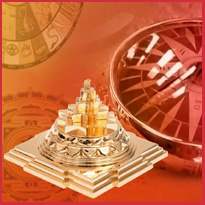
Vastu Is a System of Multiple Considerations
The traditional approach to Vastu Shastra involves considering several factors together rather than depending upon one isolated rule. Directional strength, natural and cosmic energy, the five elements, the Brahma Sthana, room placement, entrances, colours, natural light and the relationship between the building and its occupants are all part of the wider discussion.
The original case-study material on this page highlights the importance of applying Vastu principles systematically and, where appropriate, considering them alongside astrological factors and auspicious timings.
Key Factors in the Application of Vastu
A thoughtful Vastu assessment may consider the following traditional factors while examining a home, flat, office or other building.
Directional Strength
Understanding the directional framework of a property and the traditional significance associated with its different zones.
Natural & Cosmic Energy
Considering the movement and balance of natural energy within the built environment and its relationship with the structure.
Brahma Sthana
The central area of a structure is traditionally given special importance and should be kept organised and appropriately maintained.
Five Elements
Traditional Vastu examines the relationship between the five elements and the directional arrangement of the property.
Room & Space Planning
The placement and intended use of rooms and other accommodations form an important part of residential Vastu planning.
Natural Light
The entry of sunlight, particularly morning sunlight, is included among the traditional considerations in evaluating a building.
Colours & Directions
Traditional Vastu approaches may associate particular colours with directions and use them as part of an overall spatial balance.
Muhurta & Timing
Auspicious timing may be considered for significant activities such as foundation work, construction stages and entry into a property.
Why the Individual Horoscope May Also Be Considered
One of the central themes of the original case-study material is that Vastu should not necessarily be viewed in isolation from Astrology. The page discusses synchronising Vastu considerations with the natal chart of the individual and examining factors such as the person's star, sign and astrological influences.
This perspective is particularly relevant when a property is being selected for a specific individual or family. Traditional Vastu and astrological considerations can therefore be studied together rather than applying exactly the same formula to every property.
Explore Vastu & Astrology →Why Blind Vastu Corrections May Not Be the Right Approach
The original material discusses situations in which extensive structural changes were made to properties following Vastu advice. Examples mentioned include changes to entrances, gates, windows, bedrooms, kitchens, toilets and water-tank positions.
The central lesson presented by the case study is that Vastu recommendations should be evaluated as a complete system rather than making isolated structural alterations without understanding the property and the individual involved.
The page particularly emphasises the importance of combining Vastu principles with relevant astrological considerations and examining the existing conditions of the property before deciding upon corrective measures.
Assess First. Correct Thoughtfully.
Before making major structural changes, examine the plot, entrance, directions, levels, surroundings, rooms, utilities, open spaces and other relevant characteristics of the property.
Applying Vastu When You Cannot Change the Structure
Modern urban properties often come with practical limitations. Roads, drainage systems, sewerage lines, building plans, neighbouring structures and municipal layouts may already determine many aspects of a property.
The original case study acknowledges these limitations and discusses the possibility of working with the existing structure through internal planning and traditional balancing approaches rather than assuming that every external feature can be changed.
What Should Be Examined?
The case-study material highlights a broad range of factors that may be noted before considering Vastu corrections.
Plot direction and orientation
Main entrance and main gate
Height of boundary walls
Open spaces and obstructions
Roads, parking and access
Drainage and sewerage systems
Garden and surrounding vegetation
Kitchen, bathroom and toilet placement
Room usage and internal arrangement
Water tanks and water arrangements
Natural light and ventilation
Important surroundings and nearby structures
When Deficiencies Are Identified
The original page discusses several traditional remedial approaches. These should be considered carefully and, particularly for significant changes, should be selected according to the specific property and circumstances.
Mantras
Traditional mantra practices may be considered as part of a spiritual remedial approach.
Havan & Homa
Traditional fire rituals are discussed in the source material as one possible remedial practice.
Rudraksha
Rudraksha is included among the traditional spiritual measures mentioned in the original discussion.
Symbols & Placement
Traditional placement of selected symbols, mirrors or deity images may be considered where appropriate.
Explore More About Vastu Shastra
Continue your Vastu journey with our detailed guides on directions, properties, colours, Muhurta, health, finances, relationships, offices, flats, plots and traditional remedies.
Every Property Has Its Own Story
Vastu assessment should take the property, its surroundings, intended use and relevant individual considerations into account. Explore the principles first and seek appropriate guidance before making major changes.
Explore Vastu Shastra
Continue exploring the principles, applications, tests, remedies and traditional practices of Vastu Shastra through the detailed resources available at Astroshastra.
Vastu Principles & Fundamentals
Start with the fundamental concepts and traditional principles that form the foundation of Vastu Shastra.
Site Selection, Plot & Property Vastu
Resources for understanding land, plots, sites, property selection and traditional Vastu assessment.
Vastu for Homes, Flats & Living Spaces
Explore resources relating to independent houses, apartments, home modifications, health and water.
Vastu for Offices, Shops & Factories
Explore dedicated resources for professional, commercial and industrial environments.
Auspicious Timings for Vastu Activities
Explore traditional Muhurta resources for important construction and property-related activities.
The Relationship Between Vastu & Astrology
Explore the Astroshastra approach to understanding Vastu alongside traditional astrological principles.
Colours, Crystals & Energy-Based Approaches
Explore traditional resources relating to colours, directions, crystals and other energy-oriented approaches.
Vastu for Finances, Health & Relationships
Explore dedicated Vastu resources for important areas of everyday life.
Traditional Vastu Remedies & Spiritual Practices
Explore the traditional remedial and spiritual practices included in the Astroshastra Vastu resource collection.
Traditional Vastu Knowledge
Explore additional resources covering traditional sages, objectives, practices and specialised subjects.
Find the Vastu Resource Relevant to Your Property
From site selection and construction to homes, offices, factories, directions, remedies, Muhurta and Vastu-Astrology, explore the Astroshastra Vastu Knowledge Centre.