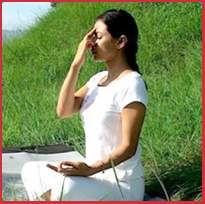
Why Pranayama is Associated with North-West Vastu
According to the traditional Vastu framework presented in this teaching, the North-West direction is connected with Vayu-Tatva, or the element of air. Breath is one of the most direct expressions of movement and Prana within the human body.
When a Vastu concern is traditionally associated with the North-West, practices that encourage awareness of breathing and Prana may therefore be incorporated as part of a broader yogic approach.
Prana and the Vayu Principle
Prana is traditionally understood as the vital life force associated with breath and movement. Pranayama works with conscious breathing and is therefore naturally connected with the yogic understanding of Vayu and Prana.
Role of Yogasana in Pranic Awareness
Yogasana and Pranayama are closely interwoven in traditional Yoga practice. Physical postures can cultivate body awareness, while regulated breathing encourages attention to the movement of Prana.
The original Astroshastra teaching describes regular Yogasana practice as helping the practitioner become aware of the sensation of Prana around the Nabhi-Chakra. The Nabhi is traditionally described in yogic thought as an important centre associated with energy.
From this traditional perspective, awareness of Prana and disciplined yogic practice may support greater harmony of Mana, Chitta and Buddhi.
Pranayama
Conscious breathing practices are traditionally used to cultivate awareness of breath, rhythm and Prana. Consistent practice can become part of a disciplined spiritual and yogic routine.
Yogasana
Yogic postures bring awareness to the body and are traditionally practiced together with conscious, rhythmic breathing.
Importance of Nabhi and Deep Breathing
The original teaching on this page highlights the natural abdominal movement that occurs during inhalation and exhalation. Deep and sustained breathing is discussed as an important aspect of traditional yogic practice.
Nabhi Pranayama is also mentioned in the source material as an important aspect of yogic practice. The natural breathing pattern observed in infants and young children, where the abdomen visibly moves during breathing, is presented as an example of natural abdominal breathing.
Yogasana, Rhythm and Breathing
In the traditional Indian Ashtanga Yoga framework, physical postures and rhythmic movement can encourage greater awareness of breathing. The coordination of posture, movement and breath forms an important part of disciplined yogic practice.
From a Vastu-remedy perspective, such practices may be viewed as supportive spiritual disciplines rather than as substitutes for correcting a physical Vastu defect in a building or property.
Pranayama and Vastu: A Supportive Practice
Vastu correction can involve several traditional approaches depending on the nature of the property and the specific concern. Pranayama and Yogasana can be incorporated as personal practices for inner discipline and awareness.
Pranayama and Yogasana are traditional yogic practices and should not be considered a guaranteed cure for Vastu Dosha, mental-health conditions or medical conditions. If you have a medical concern or are new to breathwork, seek appropriate guidance from a qualified healthcare or Yoga professional.


