Vastu and Environment – Plants, Trees & Natural Harmony
Vastu Shastra considers the relationship between a built environment and the natural elements surrounding it. Plants, trees, sunlight, open spaces and the placement of natural resources can all form part of traditional Environmental Vastu considerations.
Understanding Vastu and the Natural Environment
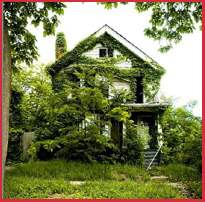
Environmental Vastu deals with the traditional relationship between natural resources and the built environment. Plants and trees form an important part of this relationship because they are naturally connected with air, sunlight, shade and the surrounding ecological environment.
The original Astroshastra material explains that the utilization of natural resources to maintain harmony among the basic elements of the environment encompasses Environmental Vaastu.
Plants and trees are therefore considered not only from an aesthetic perspective but also in relation to their location around a dwelling and their traditional Vastu significance.
The Role of Plants and Trees in the Environment
Plants and trees have great importance in nature as well as in human life. The original Astroshastra content notes that plants consume harmful gases from the air while making their food and thereby contribute to a cleaner environment. It also notes that different trees and plants release different gases through their natural processes. :contentReference[oaicite:4]{index=4}
Natural Environment
Trees and plants form an important part of the natural environment surrounding a home and contribute to the character of the space.
Sunlight & Shade
Traditional Vastu also considers the relationship between trees, buildings, sunlight and shadows while planning the surroundings of a dwelling.
Vastu Harmony
Environmental Vastu seeks harmony between natural resources, the property and the traditional principles used for directional planning.
Why the Location of Trees Around a House Matters
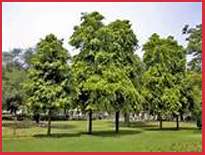
According to the traditional material on this page, trees should be kept sufficiently away from the building so that their shadows do not fall upon the house between approximately 9:00 AM and 3:00 PM. The source associates this consideration with the availability of beneficial sunlight and cosmic radiation. :contentReference[oaicite:5]{index=5}
Tree placement should be considered together with sunlight, building orientation, available space and the physical requirements of the property.
There is also a practical architectural consideration. Certain trees develop extensive or complex root systems. When planted too close to a building, their roots may eventually reach beneath walls and potentially affect the structure. The original source specifically highlights this concern. :contentReference[oaicite:6]{index=6}
Plants and Trees Traditionally Considered Unsuitable
The original Astroshastra page lists several categories of trees and plants that traditional Vastu considers unsuitable in particular circumstances or locations. These include thorny plants, certain milk-producing trees, some fruit-bearing trees and other specified varieties. :contentReference[oaicite:7]{index=7}
🌵 Thorny Plants
Ber, Babool, Akolh and Katari are among the examples mentioned in the original source.
🌳 Milk-Producing Trees
Mahua, Vata and Peepal are included in the traditional list presented by the source.
🍃 Fruit-Bearing Trees
Aam (Mango), Jamun and Kela (Banana) are listed in the source.
🌱 Other Plants
Kadamb, Lemon and plants with yellow flowers are also included in the original traditional list.
These are traditional Vastu classifications from the source material. They should not be interpreted as a general statement that these plants are scientifically harmful or unsuitable in every location.
Vastu Directions for Trees and Plants
The traditional material provides a direction-wise table showing examples of trees associated with different directions and examples that are considered unsuitable in those locations. The table below preserves that original information while presenting it in a more readable format. :contentReference[oaicite:8]{index=8}
| Direction | Traditional Tree / Plant | Listed as Unsuitable |
|---|---|---|
| East | Vata, Peepal | Trees bearing fruits |
| South | Goolar | Pakad, Nimba |
| West | Peepal | Vata, Amra (Mango), Kela (Banana) |
| North | Pakad | Goolar, Kela (Banana) |
| South-East | Anaar | Milk-producing trees, plants with red flowers and thorns, Pakad, Goolar, Shalmli, Vata, Peepal |
| South-West | Imli | Kadamba |
| North-West | Beil | Trees and plants with thorns |
| North-East | Amla | Kela (Banana) |
Auspicious Plants and Trees Around a House
The original Astroshastra material provides a separate list of plants and trees that are traditionally regarded as auspicious around a house. :contentReference[oaicite:9]{index=9}
The above names are retained from the original page rather than replacing its traditional terminology with a modern plant-selection list.
Creating a More Balanced Environment Around Your Home
🌱 Consider the Surroundings
Vastu analysis of plants should not be limited to a single tree. Consider the entire surrounding environment, including open spaces, neighbouring structures, sunlight and existing vegetation.
☀ Consider Sunlight
Tree height and location can affect the amount of sunlight reaching a property. The traditional source specifically considers the relationship between tree shadows and the house.
🌳 Consider Root Growth
Large trees should also be evaluated from a practical structural perspective so that roots do not interfere with foundations, walls, drainage or other infrastructure.
🧭 Consider Direction
According to traditional Vastu, the direction in which a tree is planted can influence whether it is considered appropriate or inappropriate for a particular location.
Environmental Vastu Is More Than Tree Placement
A balanced environment is broader than the selection of individual plants. In traditional Vastu planning, the surroundings of a property may be considered together with its directions, open spaces, water, soil, construction and overall layout.
This is why Environmental Vastu can be studied alongside related subjects such as Vastu Directions, Vastu for Soil, Vastu for Site, Colours and Directions, Vastu for Health, Vastu for Flats, Vastu for Offices and Vastu and Astrology.
Instead of looking at a plant or tree in isolation, consider its direction, distance from the building, size, roots, sunlight, surrounding space and practical suitability.
Harmony Between the Built Space and Nature
Traditional Vastu views the dwelling as part of a larger environment rather than as an isolated structure. Trees, plants and natural resources can therefore become an important part of the overall Vastu discussion.
Sensible planning should combine traditional Vastu principles with practical considerations such as safety, structural stability, adequate sunlight, drainage, accessibility and appropriate horticultural practices.
Vastu and Environment – FAQs
What is Environmental Vastu?
Environmental Vastu refers to the traditional consideration of natural resources, plants, trees and the surrounding environment in relation to a dwelling or property.
Are plants important according to Vastu?
Plants and trees are given importance in the traditional Vastu approach because of their relationship with the natural environment and their placement around a property.
Does Vastu specify directions for trees?
Yes. The traditional material presented on this page provides direction-wise examples of trees and plants and also identifies certain plants considered unsuitable in particular directions.
Which plants are traditionally considered auspicious in Vastu?
The original Astroshastra material includes Anaar, Ashoka, Arishta, Aprajita, Bakul, Chameli, Chandan, Champa, Gulab, Nariyal and several other plants in its traditional auspicious list.
Should trees be planted close to the house?
Traditional Vastu guidance presented here recommends considering the distance of trees from the building. Practical factors such as roots, branches, shade, foundations and infrastructure should also be considered.
Can Vastu and modern environmental planning be used together?
Yes. Traditional Vastu principles can be considered alongside practical environmental, horticultural and architectural requirements when planning the surroundings of a property.
Want to Understand the Vastu of Your Property?
Plants, trees, directions, open spaces and the overall layout can all form part of a Vastu assessment. If you want a personalised understanding of your property's Vastu, consult Astroshastra.
Consult Astroshastra for Vastu Guidance


