The Importance of Vastu Shastra
Vastu Shastra is a traditional Indian system of architectural planning that focuses on the relationship between a building, its directions, space and the natural environment.
From selecting a plot and planning rooms to choosing entrances, construction timings and correcting existing spaces, Vastu provides a traditional framework for creating a balanced and harmonious environment.
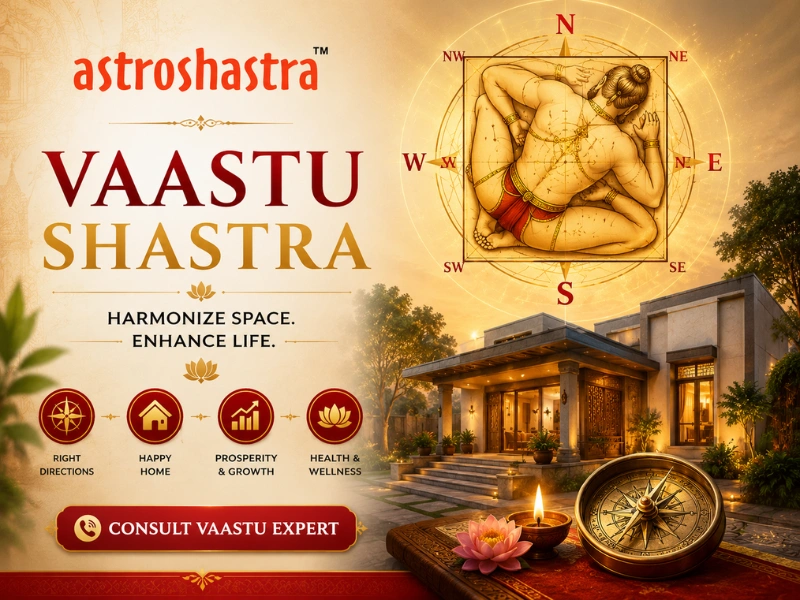
Why Is Vastu Shastra Important?
Vastu Shastra has traditionally been associated with the planning and construction of homes, buildings and other structures. Its approach considers directions, proportions, placement, movement of energy, natural elements and the practical use of different areas within a property.
The underlying idea is to create a space that is harmonious with its surroundings. Traditionally, a properly planned property is believed to support peace, comfort, stability, prosperity and overall well-being of its occupants.
Vastu is therefore not limited to the appearance of a building. It considers the relationship between the structure and the environment in which it exists.
What Does Vastu Shastra Cover?
Vastu Shastra can be considered at different stages of property planning, from selecting land to designing, constructing and modifying a building.
Plot Selection
Traditional Vastu considers the location, shape, slope, surroundings and directional orientation of a plot before construction.
Directions
The eight directions and their traditional associations play an important role in Vastu planning and placement.
Main Entrance
The entrance is considered an important part of a property because it influences movement and the way occupants enter and use the space.
Room Placement
Traditional Vastu provides guidance regarding the placement of bedrooms, kitchen, living areas, पूजा areas, toilets and other spaces.
Construction
Vastu principles may be considered during planning, foundation work, construction and important stages of a building project.
Existing Properties
Vastu assessment can also be used for existing homes, offices, shops and properties to identify areas where traditional corrections may be considered.
Vastu and the Five Elements
Traditional Vastu Shastra associates the built environment with the five fundamental elements known as Pancha Mahabhuta — Earth, Water, Fire, Air and Space.
Vastu planning attempts to maintain an appropriate relationship between these elements, directions and different areas of a property.
The Role of Directions in Vastu
Directional orientation is one of the important components of traditional Vastu Shastra. North, South, East and West, along with the inter-cardinal directions, are considered when planning different areas of a property.
Traditional Vastu also considers directional strengths, commonly referred to as Digbal, while evaluating the suitability and placement of different spaces.
This is why the direction of the main entrance, kitchen, bedrooms, living areas, water elements and other important spaces may be considered during a Vastu assessment.
Explore Vastu at a Glance
Why People Follow Vastu Shastra
Vastu is traditionally followed with the intention of creating a comfortable, balanced and harmonious environment.
Peace & Harmony
A well-planned environment is traditionally believed to support peace and harmony within the home.
Prosperity
Vastu principles are traditionally associated with stability, growth and prosperity.
Health & Comfort
Proper planning, natural light, ventilation and balanced spaces can contribute to a comfortable living environment.
Better Planning
Vastu can provide an additional traditional framework when planning the layout and use of a property.
Business Environment
Vastu is also traditionally applied to offices, shops, factories and other commercial establishments.
Sense of Balance
The overall objective is to create greater harmony between the occupants, the building and its surroundings.
Where Can Vastu Shastra Be Applied?
When Should Vastu Be Considered?
Before Buying Land
Consider traditional Vastu factors before purchasing a plot or property.
During Planning
Room placement, entrance, directions and space utilization can be reviewed before construction.
During Construction
Traditional Muhurta and Vastu considerations may be followed at important construction stages.
After Completion
Existing properties can also be reviewed for traditional Vastu considerations and corrections.
Need a Vastu Assessment for Your Property?
Every property is different. A personalized Vastu assessment can consider the plot, orientation, floor plan, entrance, room placement and the specific purpose of the property.
Vastu Shastra FAQs
What is Vastu Shastra?
Vastu Shastra is a traditional Indian system of architectural planning that considers directions, space, elements and the relationship between a building and its surroundings.
Why is Vastu Shastra important?
Vastu is traditionally followed to create a balanced and harmonious environment. It may be considered while selecting land, planning a building, positioning rooms and assessing an existing property.
Can Vastu be used for an existing house?
Yes. Traditional Vastu principles can also be used to review an existing home and identify areas where practical or traditional corrections may be considered.
Is Vastu applicable to offices and businesses?
Yes. Vastu is traditionally applied to offices, shops, factories and other commercial properties, particularly for entrance placement, workspace planning and directional considerations.
Should Vastu be considered before buying a plot?
If Vastu is important to you, it is useful to consider traditional Vastu factors before purchasing land because changes to the plot itself may be more difficult after construction begins.
Can Vastu be considered along with astrology?
Astroshastra also provides resources exploring the traditional relationship between Vastu and astrology. A personalized assessment may consider both where appropriate.


