Vastu Directions – Understanding the Eight Directions in Vastu Shastra
Directions are one of the fundamental considerations in traditional Vastu Shastra. From the orientation of a property to the placement and use of different spaces, Vastu gives importance to North, South, East, West and the four diagonal directions.
Why Directions Are Important in Vastu
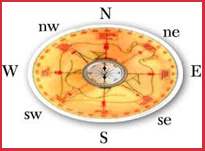
According to the traditional Vastu approach, a building should be oriented in a manner that allows it to benefit from its relationship with solar and cosmic energies.
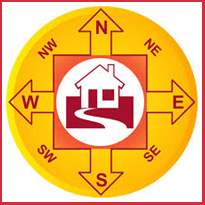
Therefore, orientation becomes an important part of Vastu planning. The eight principal directions considered are North, South, East, West, North-East, North-West, South-East and South-West.
Each direction is traditionally understood as having its own characteristics and significance. Understanding these directions provides the foundation for studying room placement, entrances, open spaces and other Vastu considerations.
Eight Directions Considered in Vastu Shastra
North
North is one of the four principal cardinal directions and forms an important reference point while determining the orientation of a property.
South
South is the direction opposite North and is considered as one of the four primary directional zones in traditional Vastu.
East
East is associated with the direction of sunrise and has an important place in traditional Vastu planning.
West
West lies opposite East and forms another principal direction considered while analysing the orientation of a property.
North-East
North-East is one of the most discussed diagonal zones in traditional Vastu and is associated with the reception of cosmic energy.
North-West
North-West forms the diagonal zone between North and West and is considered separately in traditional Vastu analysis.
South-East
South-East lies between South and East and is treated as a distinct directional zone in Vastu planning.
South-West
South-West lies between South and West and is traditionally considered opposite the North-East.
Understanding the Four Corner Directions
In addition to the four cardinal directions, traditional Vastu divides the four corners into diagonal zones. The original Astroshastra material further describes these corner directions through two adjoining directional sides.
North-East
The North-East is described through the relationship between East and North-East. It is traditionally regarded as an important zone for the movement and reception of energy.
South-East
The South-East is formed between East and South and is treated as a separate directional zone in Vastu planning.
North-West
The North-West lies between West and North and forms one of the four diagonal zones considered in Vastu.
South-West
The South-West lies between South and West and forms the direction opposite the North-East.
North-East and South-West in Traditional Vastu
The original Astroshastra content states that the North-East corner is considered to receive cosmic energy, described as a combination of energy from different planets apart from the Sun.
It further describes the movement of this energy from the North-East towards the opposite direction, the South-West.
Traditional Vastu Concept
North-East and South-West are therefore considered together in the traditional framework presented on this page.
How to Apply Directional Understanding
Directional analysis becomes useful when it is considered alongside the complete layout of a home, office, plot or other building. Instead of examining one direction in isolation, traditional Vastu evaluates how different areas interact with each other.
Determine the actual orientation of the property before applying directional Vastu principles.
Consider the main entrance together with the overall floor plan.
Study the North-East and South-West zones as part of the complete property.
Consider room placement, open spaces and functional use of different areas.
Use traditional Vastu recommendations together with practical architectural requirements.
For personalised analysis, consider the complete property rather than applying a single directional remedy.
Directions, Vastu and Astrology
Vastu is traditionally studied alongside astrology in many applications. Astroshastra's Vastu resource collection includes dedicated material on Astrology & Vastu, Horoscope and Vaastu, Vastu Dosha & Horoscope and Vastu and Muhurta.
This approach allows the physical characteristics of a property to be considered together with traditional astrological factors when a personalised assessment is required.
Personalised Vastu Assessment
Direction alone does not tell the complete story of a property. Orientation, floor plan, entrance, room placement and the individual's requirements should be considered together.
Vastu Directions – FAQs
How many directions are considered in Vastu Shastra?
Traditional Vastu commonly considers eight principal directions: North, South, East, West, North-East, North-West, South-East and South-West.
Why are directions important in Vastu?
Directions are important because traditional Vastu uses orientation as a foundation for understanding the placement and relationship of different areas within a property.
What is the significance of the North-East direction in Vastu?
The North-East is traditionally described as an important zone associated with the reception of cosmic energy and is therefore given special consideration in Vastu planning.
Which directions are diagonal directions in Vastu?
North-East, South-East, North-West and South-West are the four diagonal or corner directions traditionally considered in Vastu.
Is direction alone enough to analyse a property?
No. A meaningful Vastu assessment should consider the overall orientation, floor plan, entrance, rooms, open spaces and other relevant characteristics of the property.
Can Vastu and astrology be considered together?
Yes. Traditional practitioners may consider Vastu together with astrology, particularly for personalised assessments and auspicious timing.
Want to Know the Vastu Directions of Your Property?
Every property has a unique orientation and layout. A personalised Vastu assessment can help you understand the directional arrangement of your home, office, plot or other property.
Consult Astroshastra for Vastu Guidance


